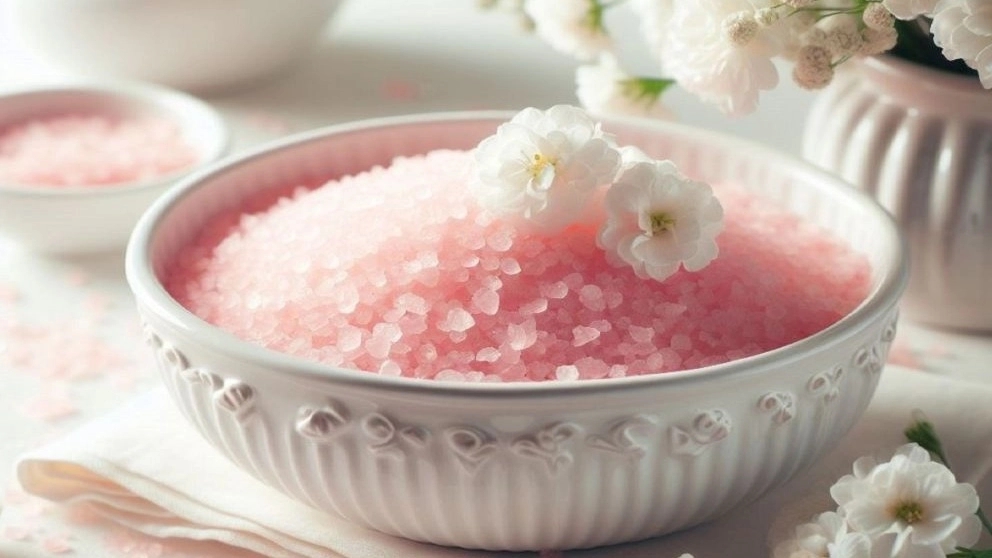
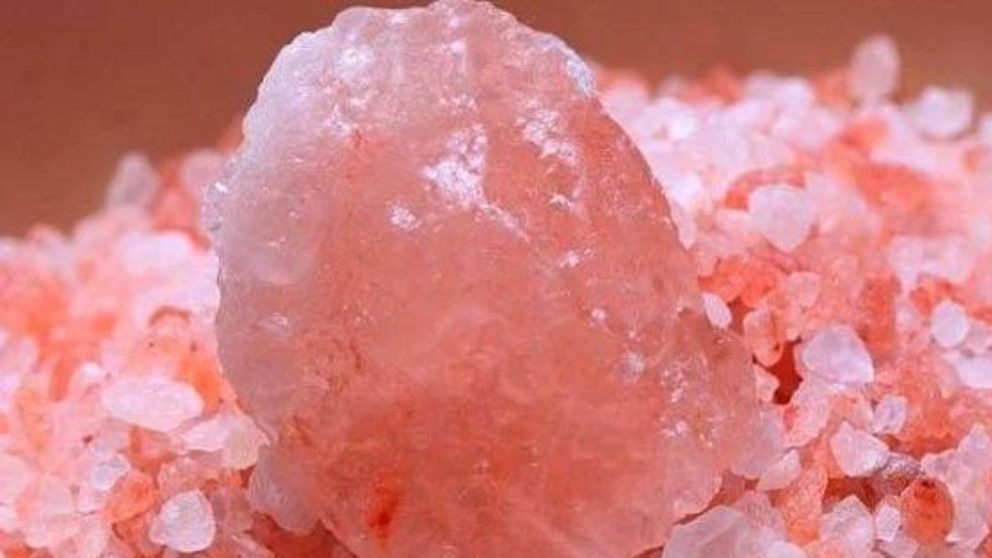
Pink salt is a type of rock salt and is extracted from a place near the Himalayan mountains located in the Punjab region of Pakistan. This salt is also known as pink halite. Pink salt or Himalayan salt is chemically quite similar to table salt and contains 98% sodium chloride. The rest of it is made up of rare minerals such as potassium, magnesium and calcium, which give this type of salt a bright pink color. These minerals also make Himalayan salt taste different from ordinary salt.
How is pink salt used?
People use this type of salt and normal salt to a Method used: as a part of seasoning for cooking and preserving food. Also, pink salt crystals are sometimes used in serving dishes, cooking surfaces, and cutting boards for home furnishings and handmade goods. Some people also use pink Himalayan salt instead of bath salt. Also, in recent years, there are pink salt in the market as night lamps and candle holders.
Why does the body need salt?
Sodium is an essential mineral for human life that is found in salt. The body needs this element for various functions. These functions include contraction, tightening and relaxing of muscles, maintaining the proper balance of body fluids and preventing dehydration, sending nervous system impulses, and preventing low blood pressure. Recent research has shown that eating salt can reduce the risk of infection in the human body and destroy harmful bacteria. Also, a study conducted on animals led researchers to the conclusion that salt may have a positive effect on depression symptoms.
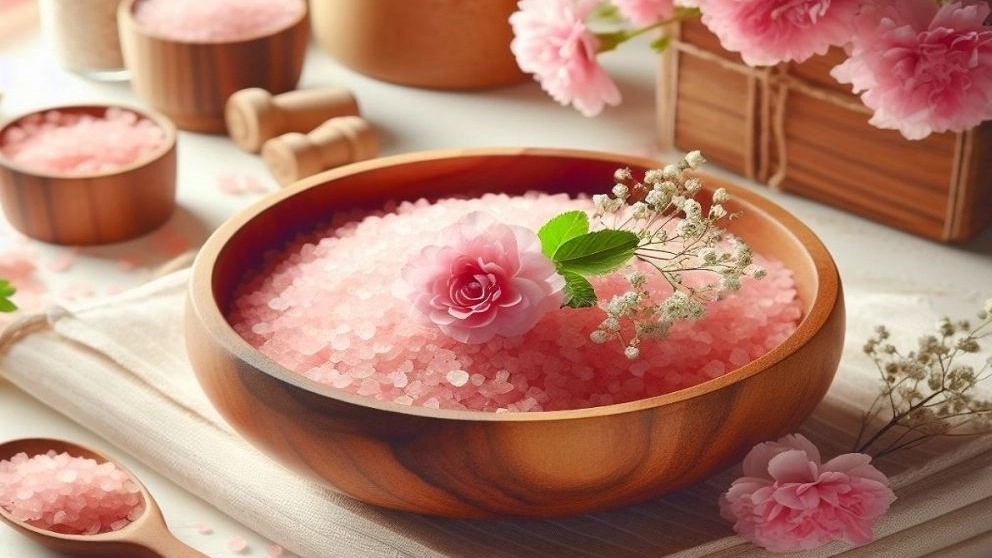
Himalayan pink salt; Mineral
Some sources say that pink Himalayan salt contains 84 different minerals. Since it contains 98% sodium chloride, this means that only about 2% of this salt model is made up of different minerals. Given the relatively small amounts of salt consumed by individuals and the low amount of these minerals in pink salt, they are unlikely to have measurable or significant health benefits. However, the minerals in Himalayan pink salt are thought to help regulate blood pressure, improve digestion, and reduce inflammation.
Pink salt and lower sodium
Some people believe that pink salt has less sodium than regular salt. However, both types are approximately 98% sodium chloride. Because pink salt often has larger crystals than table salt, it chemically contains less sodium per teaspoon. It also has a saltier taste than table salt, meaning one can consume less salt in a serving to achieve the same taste. However, pink salt is also available in a smaller granule size that looks more like regular salt.