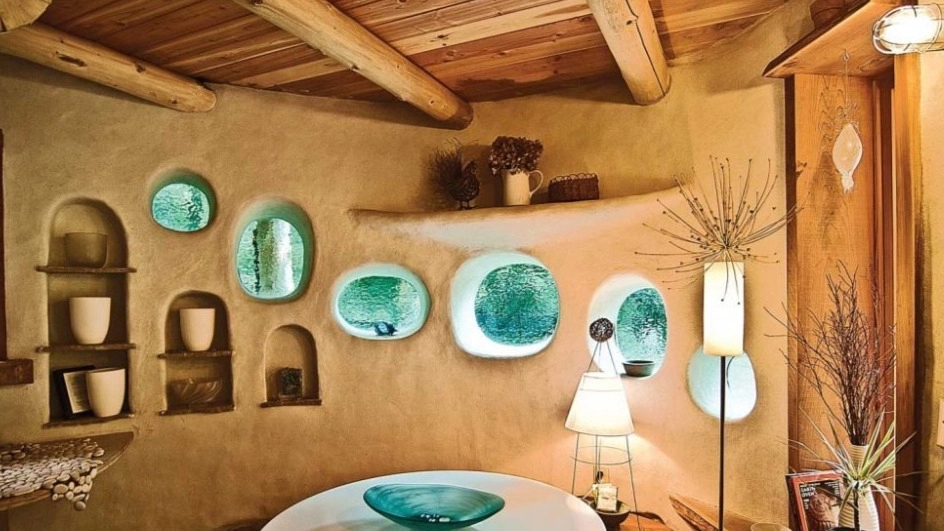
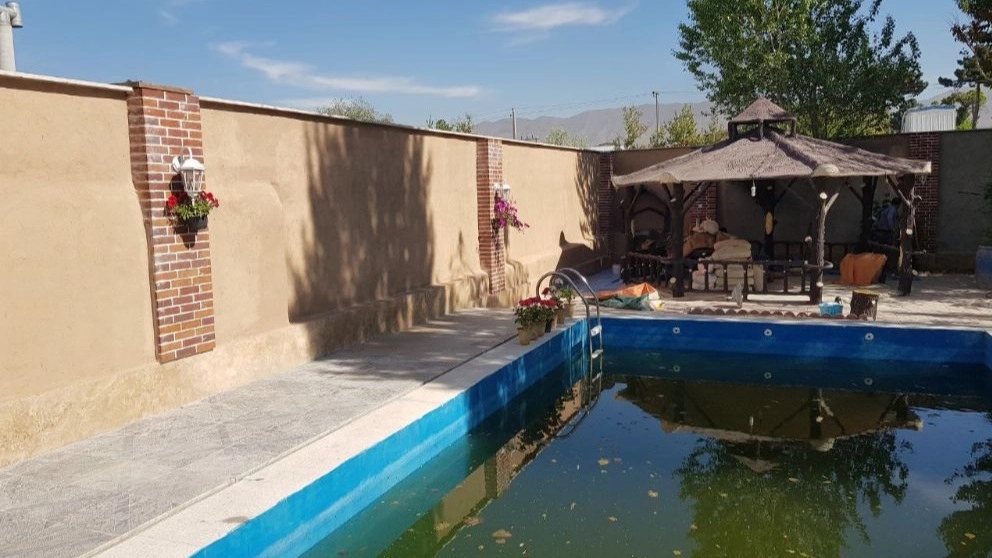



The resistance of traditional thatched houses depends on various factors that are considered in the design and construction of these types of buildings. In the following, I will mention some important factors in the resistance of traditional thatched houses:
1. Construction materials: The use of resistant and suitable materials for building, such as straw, soil, sand, wood and other similar materials can help increase the building's resistance.
2. Construction method: The usual construction methods in traditional thatched houses include construction by pouring straw and pressing it in special molds. Using proper construction methods and paying attention to executive details can make the building better and more resistant. 3. Bases and foundation: It is very important to use the right bases and foundation for the building. Deeper foundations give more strength to the building and reduce the risks of sliding and soil movement.
4. Earthquake-resistant design: earthquake-prone areas are one of the influential factors in the resistance of thatched buildings. Building design can increase building resistance by considering earthquake factors such as using steel structures and creating anti-earthquake systems.
Materials used in the house of laminate gardens
3. Wood: Wood is used as a material for making roofs, doors and windows. Wood also has thermal insulation properties and balances the temperature inside the house.
4. Stone: In some thatched houses, stone is also used to build walls. The stone is highly resistant to rain and also has thermal insulation properties.
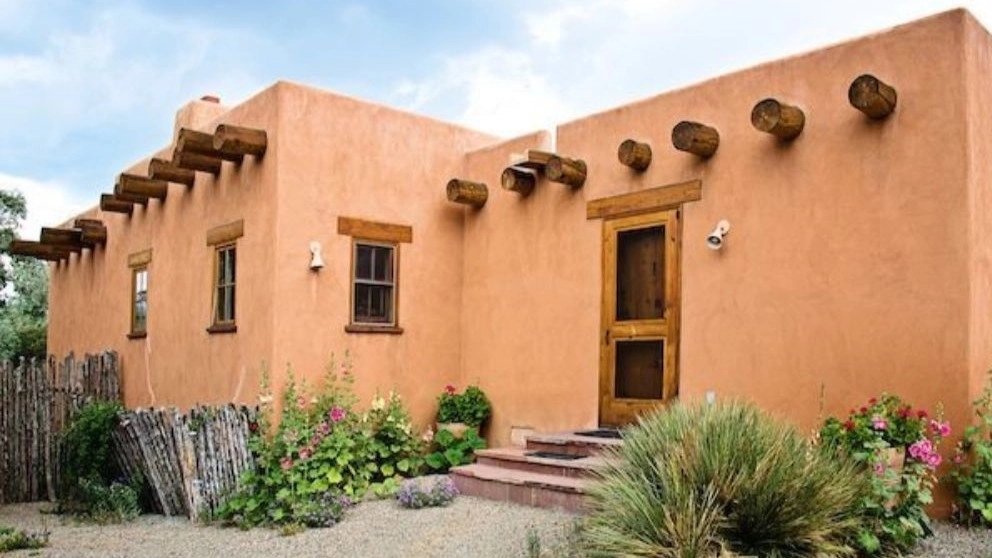
Implementation of lettuce
which is made by using suitable clay and baking it for 7 to 20 days
by kneading and adding straw It is ready to be implemented.
It is implemented with a trowel on uneven surfaces with a thickness of 3-5 cm
For clay, brick and block walls.
Price Cheap materials and simple implementation method and good thermal insulation are the characteristics of traditional thatch.
Don'ts of how to implement waterproof thatch (important points) It is higher than the traditional thatch.
For traditional thatch to adhere to smooth surfaces, the subsurface was generally axed
to create a better connection with the subsurface or for more stability
They used chicken net to improve efficiency or even increase resistance. Smooth is simpler, faster and unnecessary