

A variety of excavators and its application
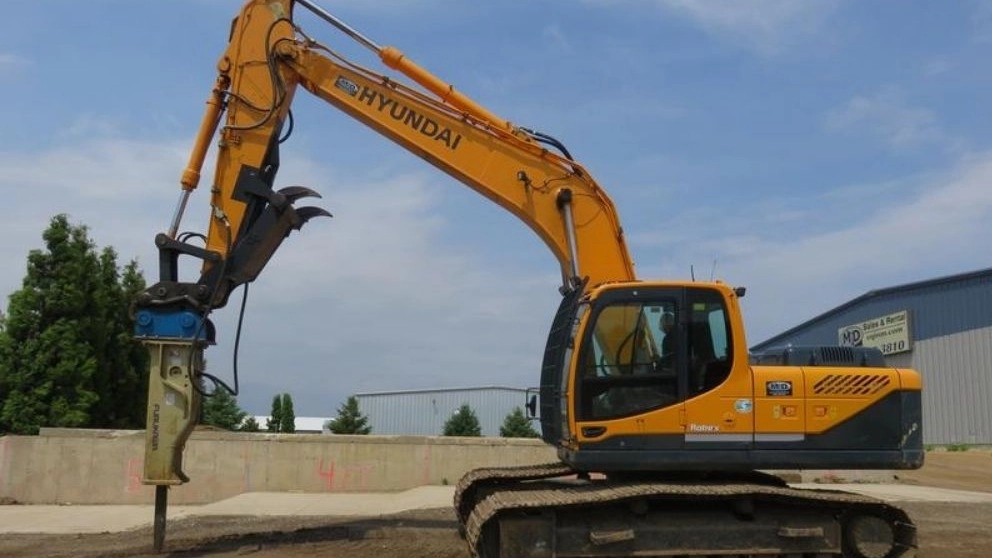
Excavator (in English: Excavator) is one of the heavy construction and engineering machines, which includes an articulated arm (mast and stick), bucket and rotating cabin (Firo) at the top and chain or rubber wheel below. This machine is an upgrade of steam shovels. Among the capabilities of this machine, we can mention the installation of a hammer (picker), which is very widely used, and the installation of a drill, jet stone, metal cutting scissors, rake, grapple and other tools. Installing a hydraulic or pneumatic hammer instead of the bucket of this device makes it possible to destroy stone or concrete surfaces and volumes that cannot be destroyed with explosives or compressors for some reason, by means of a combination of these two devices (shovel and hammer). It should be noted that due to the small bucket volume and high maintenance costs, the loader is more economical for soft soils and with large volumes, but it is not reliable for urban work (due to the thrust created for the surrounding buildings), which makes the excavator superior. It becomes mechanical.
Use
Digging canal, pit, infrastructure
Material handling
Cutting by hydraulic tools
Destruction
Excavation for building construction
Excavation
Land leveling
mining
River dredging
A variety of excavators in terms of wheel
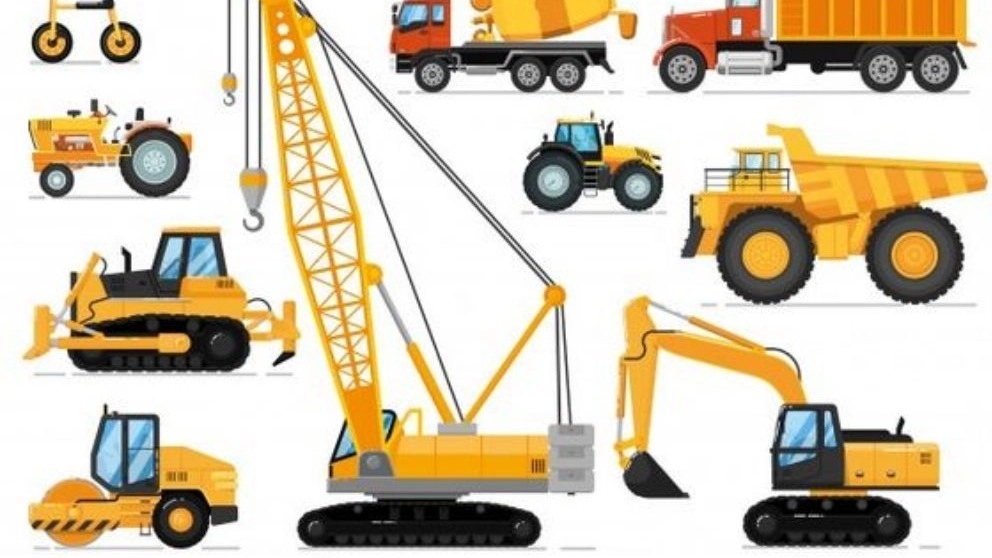
Types of excavators include: chain wheel excavators and rubber wheel excavators, each of which is used according to the type of application site, such as mountainous, urban, desert, etc.
A variety of excavators and its application
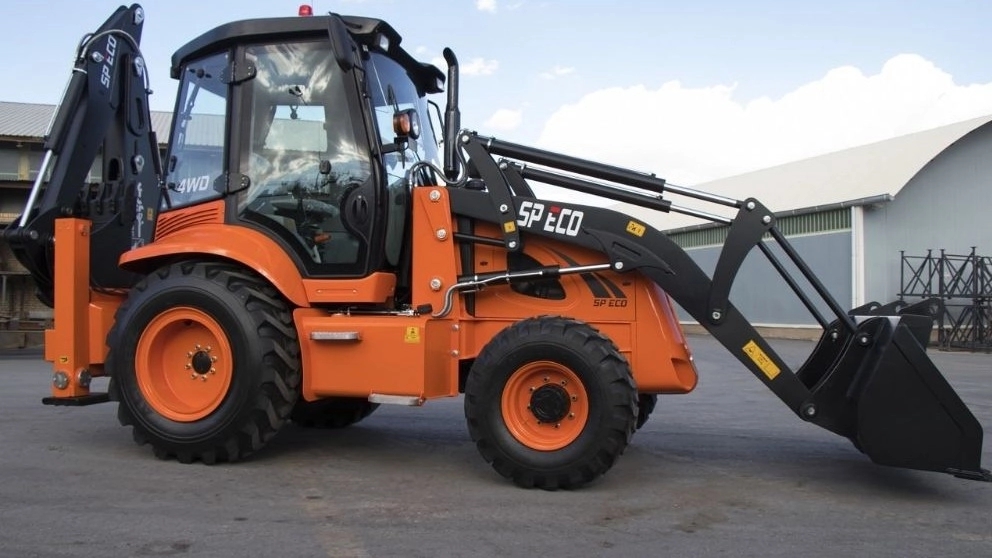
1- Backhoe Loader:
This machine is a combination of loader and excavator.
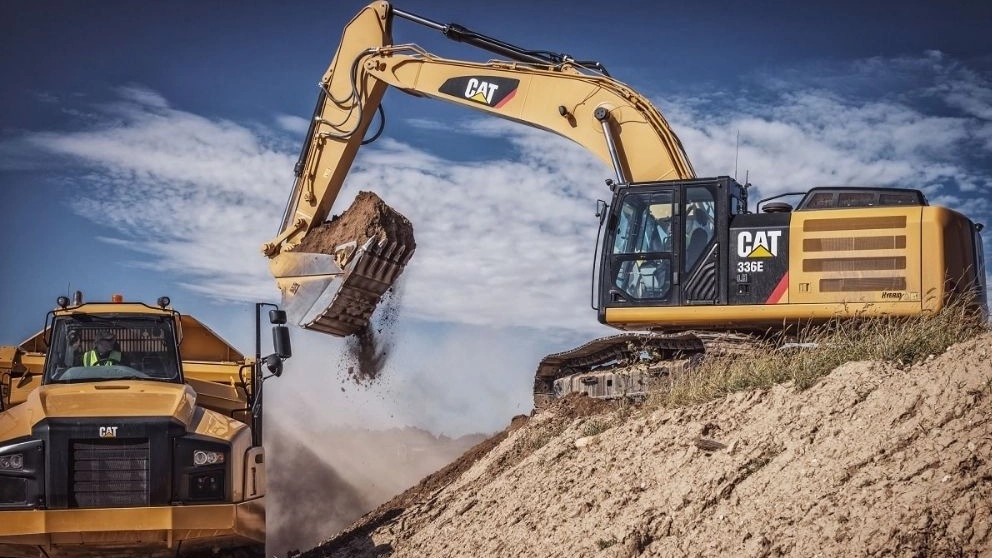
1-Mechanical Cup Mechanical:
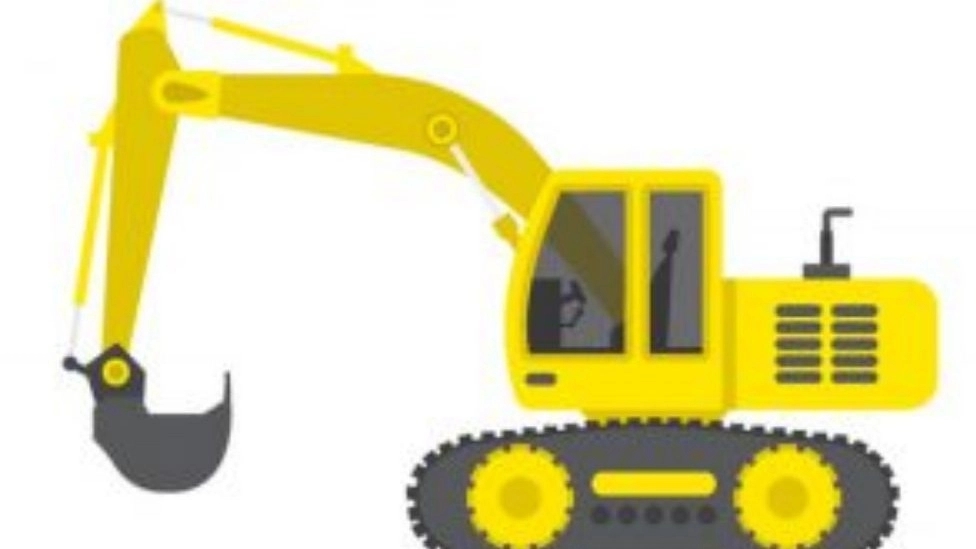
In this type of excavator, the shovel cup is upside down compared to the ground surface. The reverse cup shovel is suitable for digging trenches, excavating foundations and in cases where the work space is limited. A shovel with a wide cup is used for easy digging, and a cup with a narrow width is used for digging in hard ground. Other common names for this type of shovel are:
back hoe
Shovel behind the bend
Traction shovel
A counter weight is used on the back of some shovels to maintain balance during soil removal. Usually, small-sized mechanical excavators and mini excavators do not have counterweights. In most cases, only large-sized mechanical excavators need a balance weight.
Mechanical with cable system:
This machine is a revolving cabin that is mounted on wheels and a shovel is attached to the front end. This shovel is available in two types, mechanical and hydraulic.
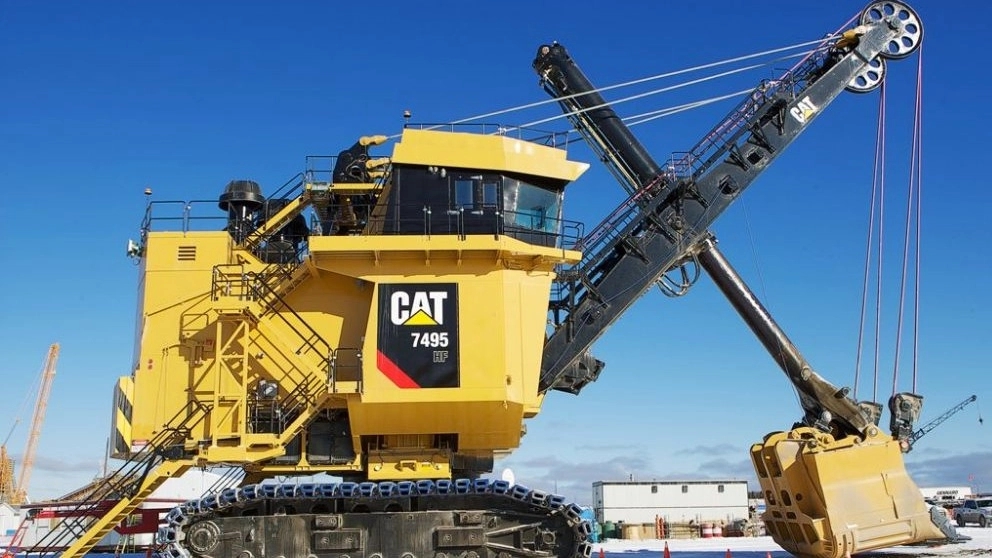
1- Drag Line or Tension:
The constituent parts of this shovel include the following:
control room
crane
Traction shovel cup
Cables needed to control various parts
This shovel is able to perform various functions at levels much higher and much lower than its reliance level. It is also used in different types of fields. Other uses of this machine include:
Excavating below the surface
Channeling
piping
One of the most important advantages of this machine is its short cycle time. In many cases, the width of the cup is more important than its capacity, the width of the cup is greater in terms of (width and depth).
1-Front Cup:
The English equivalent of this machine is shovel. In shovels, the position of the cup is almost the same as the cup loaders towards the sky. The shovel is less efficient compared to the loader, but instead its advantage is that it does not have a height limit like the loader. In order for this car to unload its load, the valve under its cup is opened and its load is unloaded. The use of these shovels is: Excavation of hard ground on the top level of the machine Truck loading Transfer of materials to vertical loan
Management Tips when working with excavator:
When working with an excavator, it is important to pay attention to the following points:
The cleanliness of shovel teeth has a significant impact on loading.
Do not hit hard surfaces with the cup.
The ability of the excavator at a higher level is more efficient.