
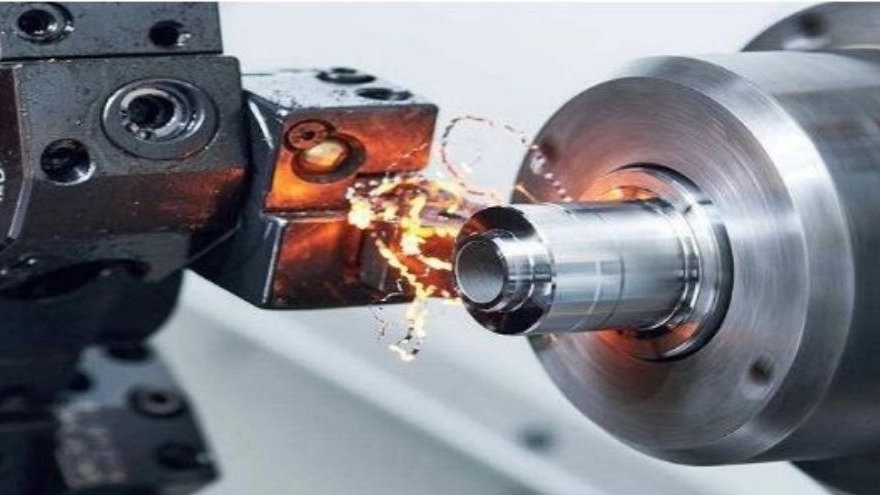
What is an industrial machine?
The history of industrial machining can be traced back to ancient times, when primitive tools such as saws, chisels and primitive lathes were used to shape wood and stone. However, significant advances in industrial machining began during the Industrial Revolution in the late 18th century.
During this period, the development of steam engines and the introduction of power tools revolutionized manufacturing processes. Mechanical lathes powered by water or steam were invented, allowing mass production of turned parts. This was the beginning of mechanized machining and laid the foundation for modern industrial machining.
The 20th century witnessed significant advances in machining technology. The introduction of electric motors replaced steam engines and provided greater control and precision. The development of numerical control (NC) machines in the 1940s paved the way for computer control of machining operations. This further evolved into CNC machining, which allows automatic and programmable control of machine tools.
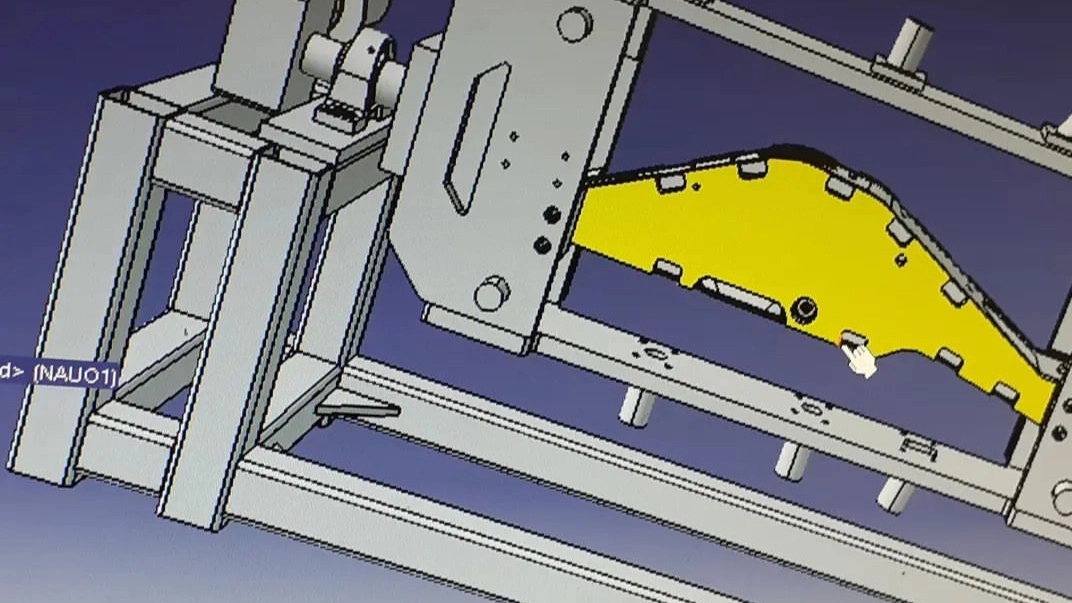
Today, industrial machining is a highly automated and precise process. CNC machines are the backbone of modern manufacturing. Computer-aided design (CAD) and computer-aided manufacturing (CAM) systems have further increased the efficiency and accuracy of machining processes. Overall, the history of industrial machining shows a continuous evolution driven by technological advances and resulting in improvements. Productivity, precision and quality are produced in industries.
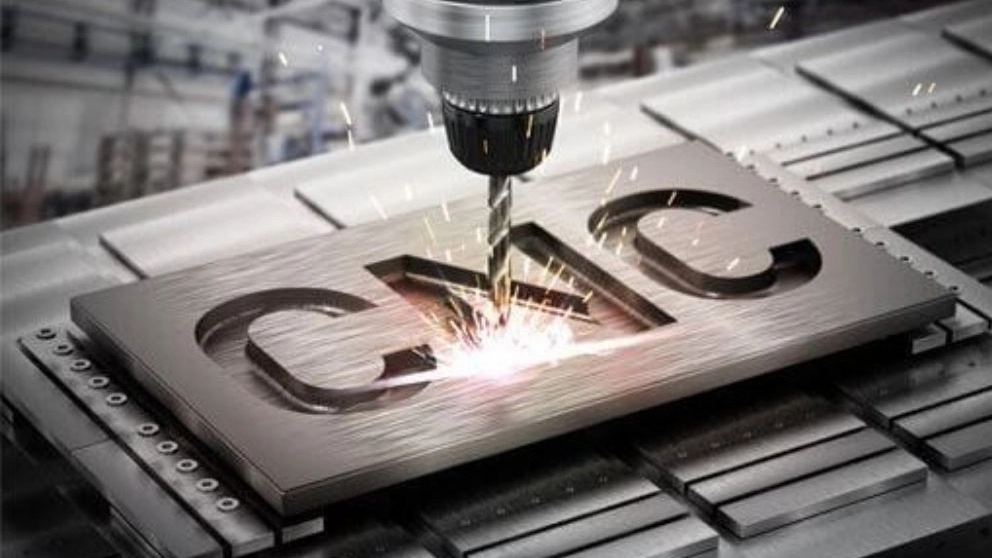
The benefits of using CNC in the production of machinery parts
High precision: CNC is able to perform turning and milling operations with very high precision, which results in the production of parts with precise dimensions. Similar products are produced with the same quality.
Automation: CNC allows the automation of the production process and helps mass production of parts quickly and with high efficiency. makes it possible.
Precise control: by using CNC, you can precisely control the dimensions, speed, and depth of cutting.
CNC is one of the most important tools in the machining and production industry and in the production of various parts Used as gears, aircraft parts, and car parts. This technology offers the production industry the possibility of using more precision and efficiency in the production of parts.