
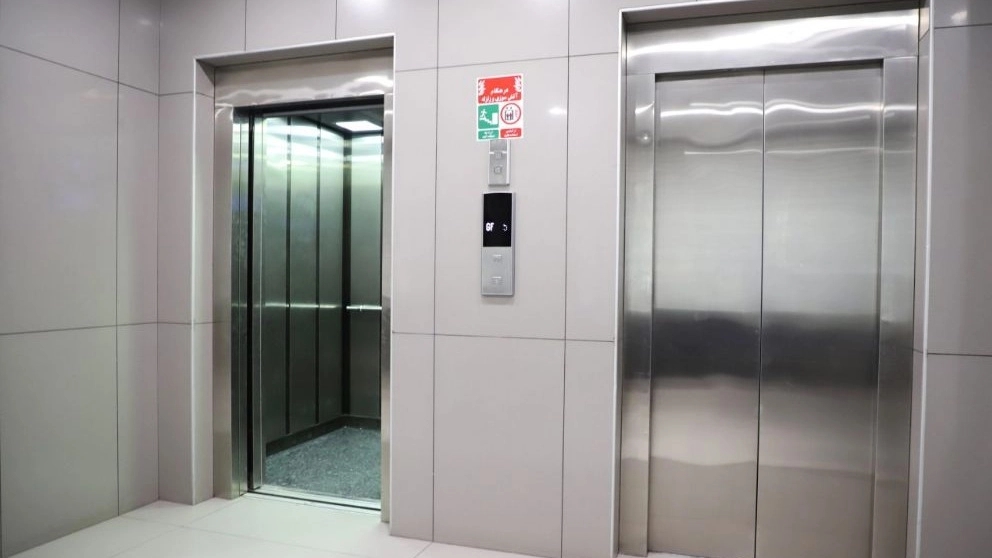
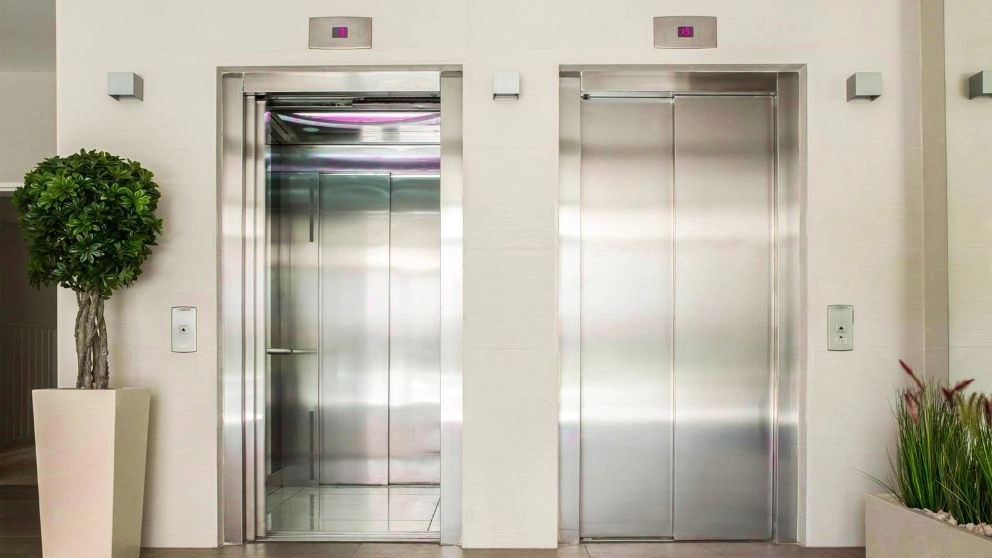


What is the elevator?
The elevator is one of the most convenient types of transportation inside the building. Although you may use the stairs to reach the floors, the elevator is a faster and more useful alternative to the stairs.
It is defined as a vertical transportation equipment, which is used to move people and goods between building floors. Because of the ease and comfort, people prefer to use the elevator and choose the stairs for special times.
The annoying thing about elevators (if you're trying to understand them) is that their working parts are usually covered.
From the perspective of someone going from the lobby to the 18th floor, the elevator is simply a metal box with doors that close on one floor and then open on the next.
Elevators are used in residential and commercial buildings, hospitals, shopping centers, restaurants and even libraries to carry related objects.
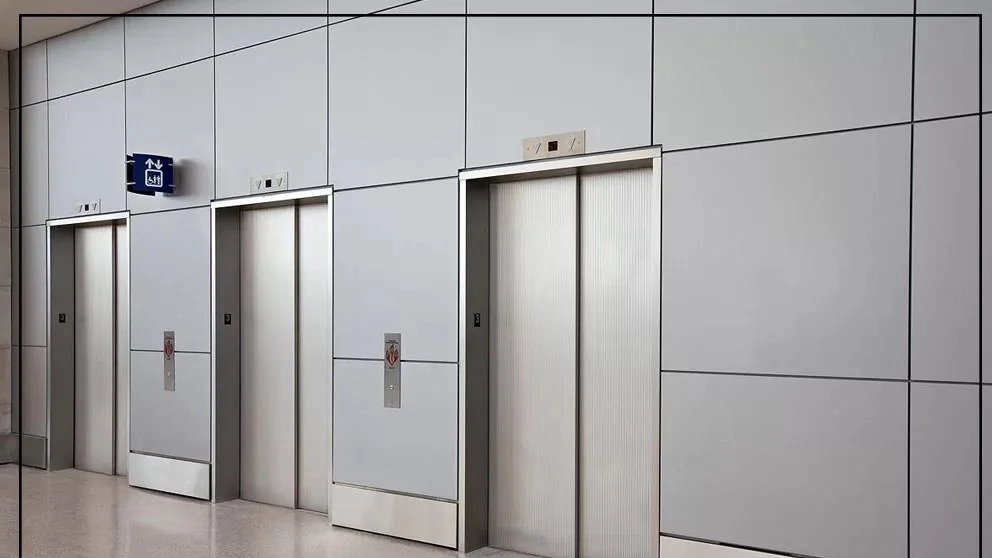
Important parts of an elevator are:
One or more elevator chambers (metal boxes) that go up and down. The resistive force that balances the elevator car. An electric motor that raises and lowers the elevator cars and includes a braking system. A system of strong metal cables and pulleys that run between elevator cars and motors. There are various safety systems to protect those inside the elevator in case the cables break. In large buildings, it is an electronic control system that uses an elevator algorithm (a complex type of mathematical logic) to direct elevator cars to the appropriate floors to ensure that the most people get up and down in the fastest and best way possible (especially in Very large and crowded buildings are important during rush hours.) Smart systems are programmed to raise many people at the beginning of the day and lower them at the end of the day.
How do elevators use energy?
Scientifically, elevators work with energy. To go up the stairs from the ground floor to the 18th floor, you must move your body weight against the downward force of gravity.
The energy you expend in this process is often converted to potential energy, so going up the stairs increases your potential energy and going down the stairs decreases your potential energy.
This is an example of the law of conservation of energy in action. You actually have more potential energy at the top of a building than at the bottom, even if it doesn't feel any different.
For a scientist, an elevator is simply a device that increases or decreases a person's potential energy without the person needing to supply that energy. When you go up, the elevator gives you potential energy, when you go down, it takes your potential energy.
In theory, this sounds simple enough. An elevator doesn't need to use a lot of energy because it always goes back as far as it goes down. But unfortunately, it is not that simple.
If all elevators were a simple elevator with a chamber moved by a pulley, it would use significant amounts of energy to lift people, but there would be no way to get the energy back. When people come back down, the energy is simply dissipated by the friction of the cables and brakes.
Types of elevators
There are different types of elevators that can be used in different situations for different purposes.
Passenger elevators:
Passenger elevators:
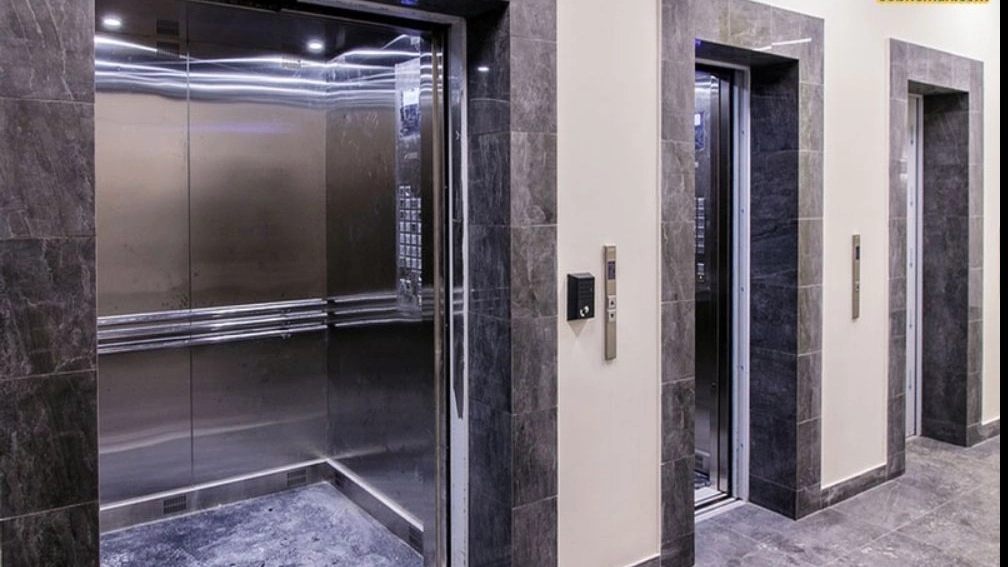
Passenger elevators are designed to carry people and can be in different forms. Since these elevators carry passengers, they must meet certain conditions and standards to ensure their safety. They can come in a range of sizes and carry different numbers of passengers.
These elevators can be equipped with different designs, inside and outside the cabin, so they can match the design and style of the surrounding space. These elevators can be used in various situations, from shopping centers to private residences.
They also move faster than other types of elevators because they are often used in high-rise buildings where passengers may pass through multiple floors.
These elevators can also have other equipment, such as television screens, speakers for playing music or announcements, advertisements and audio and video advertisements.
Glass elevators:
Glass elevator is a type of passenger elevator that has glass doors and walls. They can be used in any situation where a normal passenger lift would be used, but come as a more stylish alternative. They are often chosen because of their beauty. While providing a means of transportation, they can also be a way to preserve the building's style. The material of the glass cabin is a type of glass called laminate (front glass of the car). This type of glass is very resistant to impact and if it breaks due to a strong impact, it does not collapse and remains in place.
Elevator Services:
A service elevator is not designed to carry passengers, but it usually carries some of their goods. This means that these elevators do not have to meet the same standards as passenger elevators.
Food elevators on:
Food elevators are often used in kitchens, restaurants, hotels, etc. This small elevator is used to transport food from the kitchen to the serving area. They can also be used in other environments such as hospitals or offices.
Handheld Elevator:
Handheld Elevator:
Manual elevators are designed to carry large goods on wheeled and mobile cages. They are often found in a store or any other environment where it may be necessary to transport goods between floors.
Disabled elevators:
Disabled elevators:
Handicapped elevators can be of different types and can fall under different categories, while their purpose is to transport people with mobility problems.
Elevators of the stairs:
A stair lift is often used at home and provides an easy way for people to go up and down the stairs. This is usually done by sitting them on a motorized chair that takes them from one floor to another.
Firefighting lifts:
Firefighting lifts:
The elevator is designed for additional protection, is under the direct control of fire and rescue services and is used in fire suppression. If the building has floors 18 meters above or 10 meters below the fire service access level, a fire elevator is required.
Vehicles Elevators:
They are usually used in garages or in production centers. These elevators make it easier for drivers to access the buildings. Some of them can even turn, so that the driver just moves forward and never needs to turn around or go into reverse.
Hospital lifts:
Bed elevators are usually used to transport patients who are unable to move or lift. These elevators can continue to work even during a power outage. They have low noise and smooth and slow movement for moving between floors.

Mrs. Javadzadeh
Post Author
10181
common:article
SEO-oriented content production specialist with experience in digital marketing and search engine optimization. Focusing on keyword research and content strategy formulation, I produce user-oriented educational and analytical articles to be valuable to the audience and to help grow the site's position in search results.
Similar Posts
Contents of this post
What is the elevator?
Important parts of an elevator are:
How do elevators use energy?
Types of elevators
Passenger elevators:
Glass elevators:
Elevator Services:
Food elevators on:
Handheld Elevator:
Disabled elevators:
Elevators of the stairs:
Firefighting lifts:
Vehicles Elevators:
Hospital lifts: