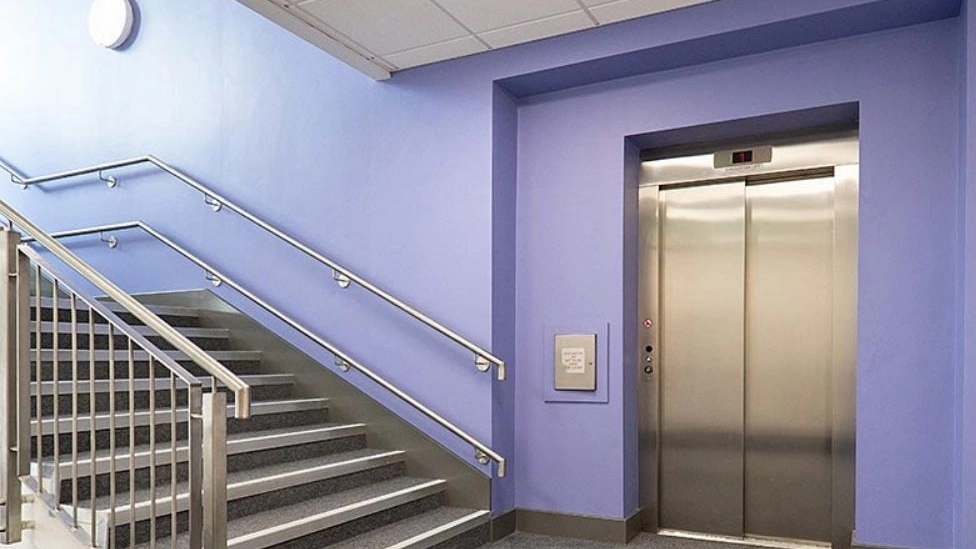


What is the difference between hydraulic and tensile lifts?
When you're riding an elevator as a passenger, it's hard to tell what kind of elevator you're in unless you can see the mechanism behind the machine. Almas Asansur Company has different types of elevators, including traction and hydraulic systems, but it is unlikely that passengers will even notice the difference!
The difference between hydraulic and tensile lifts
According to the type of building, it is possible to install different types of elevators. Some are better for smaller buildings while others are designed for high rise.
Two of the most common lifting systems used in residential and commercial buildings today are traction elevators and hydraulic elevators.
Tensile elevators
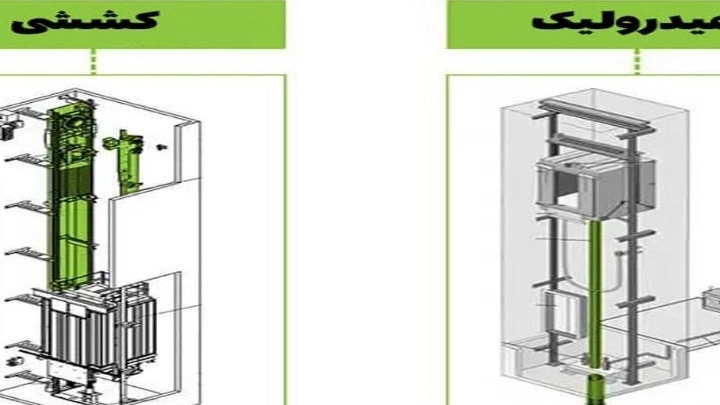
The main difference between traction and hydraulic elevators is in the way the cabin is moved. In traction elevators, the car is raised and lowered by tension steel cables or special belts on a pulley system. Compared to hydraulic systems, traction elevators:
It consumes less energy
Can be installed in medium to tall buildings
They have a smoother movement
Traction elevators use a counterweight to compensate for the weight of the cabin and occupants. With this design, the engine doesn't have to move as much weight, which makes it use much less energy from hydraulic systems.
Traction elevators are the most common type of elevator in the world. These types of elevators can be installed with a gearbox or without a gearbox (which is called a gearless elevator). Both types of models are powered by alternating current (AC) or direct current (DC) electric motors.
Gearbox or gearbox
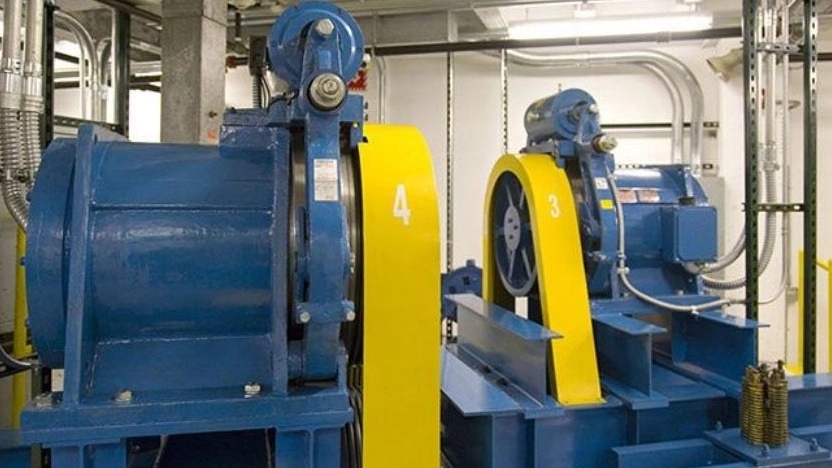
In gear elevators, a gearbox is connected to the motor, which transfers the driving force to a grooved wheel to move the cabin through the pulleys.
Geared elevators can reach a speed of 152 meters per minute. These models have an average cost in terms of initial budget, elevator repair costs and energy consumption maintenance.
Gearbox or gearbox lifts
In this type of traction elevators, there is no independent gearbox and the slot is directly connected to the end of the motor. These models can speed up to 610 meters per minute. These models have high initial installation cost as well as moderate maintenance cost. However, this model is more energy efficient than gear traction elevators and consumes less electricity.
Hydraulic elevators
To understand the difference between hydraulic and traction lift, we go to the next type. Unlike traction systems, hydraulic lifts do not use parts and equipment located in the engine room or above the cabin. Instead, these elevators use a fluid piston mounted inside a cylinder to pressurize the cabin from below and raise and lower it.
The fluid used is oil like any other hydraulic system, but it can be replaced with vegetable oil to reduce the environmental impact. Of course, this is not common in Iran!
Compared to traction elevators, some features of hydraulic systems are:
More economical and cheaper installation cost
Maintenance and repair costs are lower
It is better for carrying heavy loads
It is suitable for installation at low altitudes
Hydraulic elevators are often installed and operated in buildings that have up to five floors. These elevators are limited in height. They also operate at a slower speed than other types of elevators (usually 45 meters per minute or even less).
Another reason for their height limitation is that it takes a lot of energy to raise the elevator cabin on more floors. Also, to reach higher floors with a hydraulic lift, you need a longer cylinder and piston.
There are two different types of hydraulic elevator:
Perforated or pitted:
In the holed type of hydraulic lift, the hydraulic cylinders are placed inside a hole dug in the ground and provide the possibility of moving up to 60 minutes.
Hydraulic elevators without holes:
In this model, there is no need to dig a hole in the ground. This type of elevator is suitable for buildings that have been built and want to add an elevator because they do not need to be demolished. It is also ideal for areas where drilling is difficult or expensive. Elevators without holes should not be installed in a place that requires more than 40 minutes of traffic.
The benefits of hydraulic lifts against tensile:
Faster installation
Lower cost for installation and maintenance
Ability to design custom cabins
No need to build wells and pits in the building
No crane required for installation
No need for an engine room
It has more load-carrying power
The benefits of tensile lift against hydraulic:
Ability to move to very high altitudes
Can be installed without the need for a motor home (roomless)
Smaller engine size in gearless models
Smooth ride at high speed