
Understanding the types of industrial water pumps and their applications
In the world of industry, the beating heart of many processes depends on fluid flow. From the simple transfer of cooling water to the pumping of concentrated materials in refineries, industrial water pumps play a vital role. But with different types of these pumps, choosing the right option can be challenging.
The main category
The first step in knowing the pumps is to understand the difference in their performance. In general, industrial pumps are divided into two main categories:
Positive displacement pumps: these pumps move a specific volume of fluid in each cycle with different mechanisms (gear, vane, reciprocating, etc.). They are capable of creating very high pressures and are suitable for thick fluids or with suspended particles.
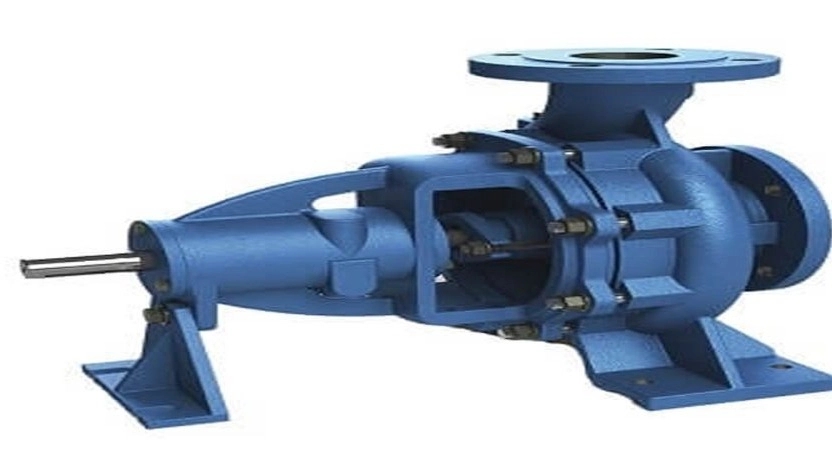
Centrifugal pumps: These types of pumps use centrifugal force to speed up the fluid inside the chamber and increase its pressure. They usually have a high volume flow and are more suitable for dilute fluids.
Understanding the types of positive displacement pumps:
Gear pumps: These pumps work with two engaged gears and are ideal for fluids with high viscosity and medium pressures.
Vane pumps: These pumps consist of vanes that move in grooves and are suitable for thick fluids with suspended particles.
Reciprocating pumps: These pumps move the fluid with the reciprocating movement of the piston and are used for low flow rates and very high pressures.
Diaphragm pumps: these pumps pump the fluid in an isolated manner with the reciprocating movement of the diaphragm and are suitable for corrosive and sensitive fluids.
The world of centrifugal pumps:
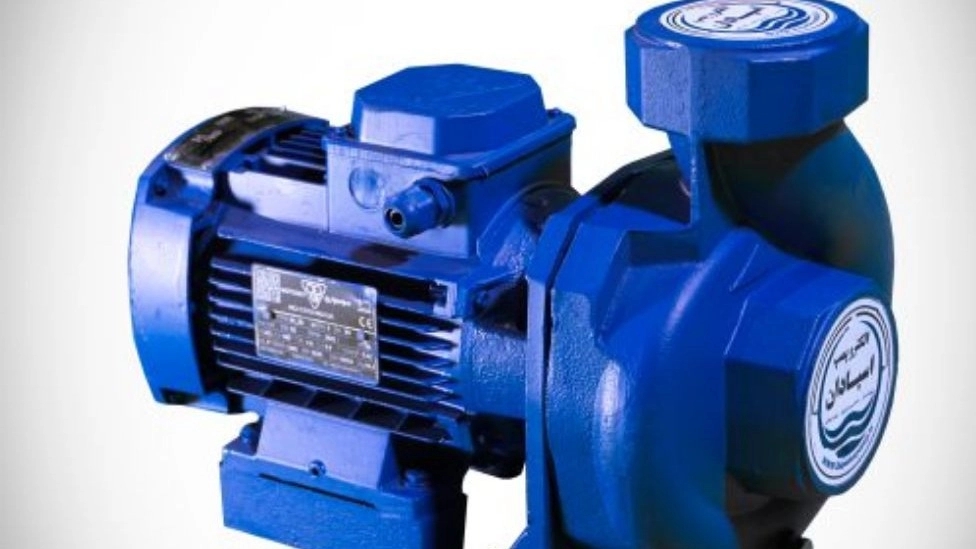
Normal centrifugal pumps: These pumps are the most common type and are used for dilute fluids with medium flow rate and pressure.
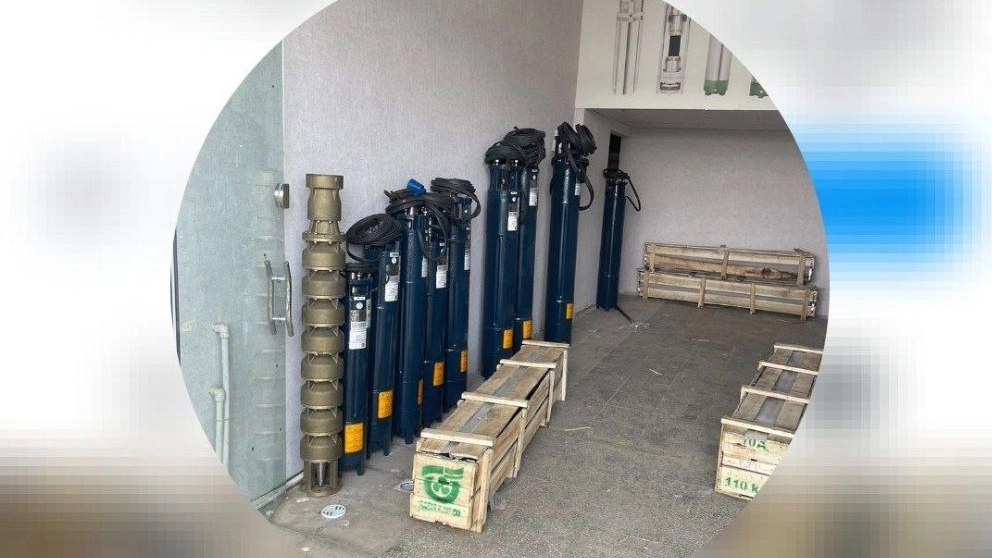
Submersible pumps: These pumps are placed directly in the fluid and are suitable for wells, tanks and pools.
Axial flow pumps: These pumps direct the flow parallel to the impeller axis and are used for very high flow rates and low pressure.
Jet pumps: these pumps use an auxiliary fluid to pump the main fluid at high pressure and are suitable for fluids with dissolved gases.
Choose the right pump, the key to success:
Choosing the right pump depends on various factors including the type of fluid, required flow rate, operating pressure, fluid temperature and physical limitations of the installation site. It is important to consider the following when choosing a pump:
The material of the pump body and components: must be compatible with the type of fluid.
Efficiency and energy consumption: choosing a pump with high efficiency reduces operating costs.
Maintenance costs: Ease of access and repair of parts is important throughout the life of the pump.
Safety standards: Ensuring compliance with safety standards is required to protect personnel and the environment.
By considering these points and consulting with experts, you can choose the right industrial water pump for your needs and guarantee the beating heart of your industrial processes.
What is Industrial Water Pump?
In short, an industrial water pump is a device that is used to move and increase the pressure of fluids, mainly water, in various industries. Using electrical, mechanical or other energy sources, these pumps transfer fluid from one point to another and increase its pressure to the required level.
Applications of Industrial Water Pumps:
The scope of application of industrial water pumps is very wide and traces of them can be found in almost all industries. Some of the most important applications of these pumps are:
Oil, gas and petrochemical industries: transportation of crude oil, petroleum products, chemicals and solvents
Power plant industries: supplying water needed for cooling power generation systems
Food and pharmaceutical industries: transfer of raw materials, sterile fluids and finished products
Agricultural industries: Irrigation of fields, transfer and supply of water needed by greenhouses and livestock farms
Construction industry: draining water from wells, conveying water for concreting and fire fighting
Water and wastewater treatment plants: urban and industrial water and wastewater pumping and treatment
Important Tips on Keeping Industrial Water Pumps:
Correct and basic maintenance of industrial water pumps increases their useful life and prevents possible failures. Some important points in maintaining these pumps are:
Timely replacement of oil and lubricants
Periodically checking the filters and cleaning them if needed
Check for leaks and fix them in time
Carrying out periodical services by expert technicians