
1. Plan/ Space User Relationship
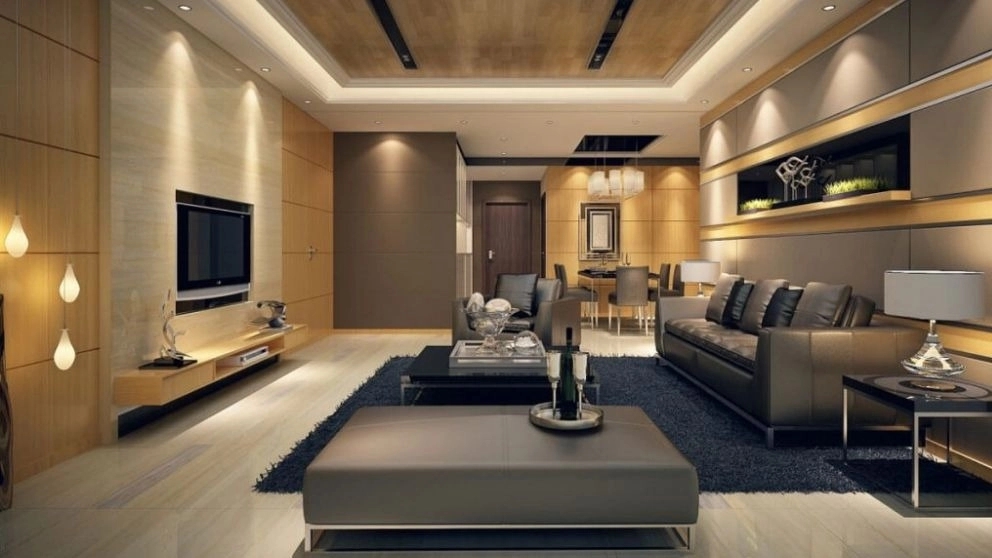
This issue, which focuses on the architectural aspect of the space more than anything else, challenges the designer's knowledge and understanding of architecture. A good designer should be familiar with the principles of architectural plan design and be able to predict and improve the practical-behavioral result of any change in the details of the plan. For example, an interior designer should know the presence or absence of a wall in a space, what effect it will have on the way users move and commute, create comfort or rigidity, and also the view to other parts. Also, it is necessary for an interior designer to know what plan will allow the best arrangement of furniture for that space in order to avoid creating distractions in the space as well as inappropriate arrangement. In addition, knowing the usual and logical standards of architecture, as well as the ability to define a new personalized standard for a specific space or user, should be included in the list of necessary abilities for an interior designer.
2. Color Knowledge, Harmony Creation
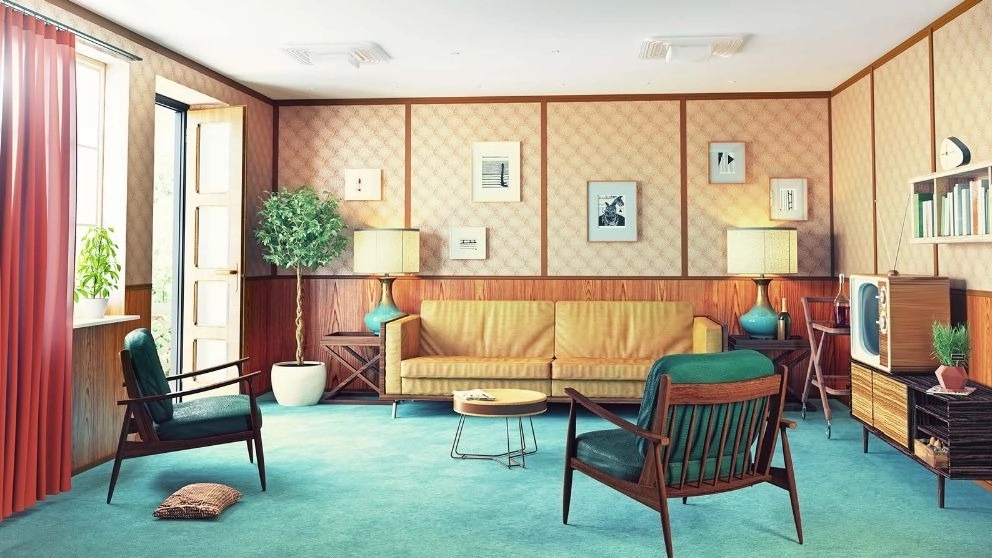
When the work is entrusted to an expert designer, the result will be a harmonious, balanced, diverse and eye-catching combination of colors, forms and textures. A designer knows very well how to avoid a visual playfulness and, at the same time, move your eye around the space enough to avoid visual clutter. All this is done by mastering the subject of the ability to combine colors and textures in order to create a harmonious space.
3. General Knowledge of Structural
Of course, an interior designer is not expected to have the ability to calculate structures. But it is necessary to be able to guess experimentally and sensibly whether, for example, the destruction of an arch or a wall in an old house can damage its strength and structure or not.
4. Awareness of Psychoanalysis, Human Social Relations from the Environment
Our environment directly and indirectly affects our psyche and behavior. All of us have experienced that we have felt sadness, depression or anger from spaces. On the contrary, spaces have also brought us happiness and peace. Of course, these effects are not accidental and are created as a result of our influence on the quality of the environment's structure.
5. Mastery on the topic of light
Sufficient awareness and mastery of natural and artificial light, how sunlight enters the interior at different degrees, seasons and hours, as well as how various artificial light sources work in the interior are requirements for working in the field of interior decoration.
p> 6. Internal and External Day Markets and Materials
An interior designer should always be aware of the latest products and technology related to materials and interior decoration so that he can implement the best interior decoration design for the employer with the most economical cost. Interior design and decoration, including home decoration or any other environment, including commercial office spaces, etc., includes the transformation and improvement of an interior space in terms of aesthetics, functionality, and psychology.