
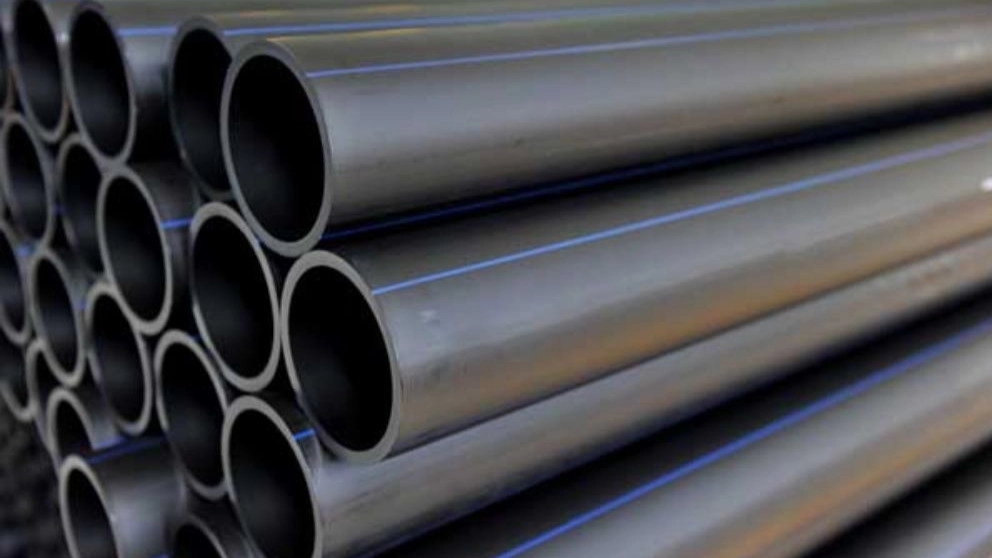
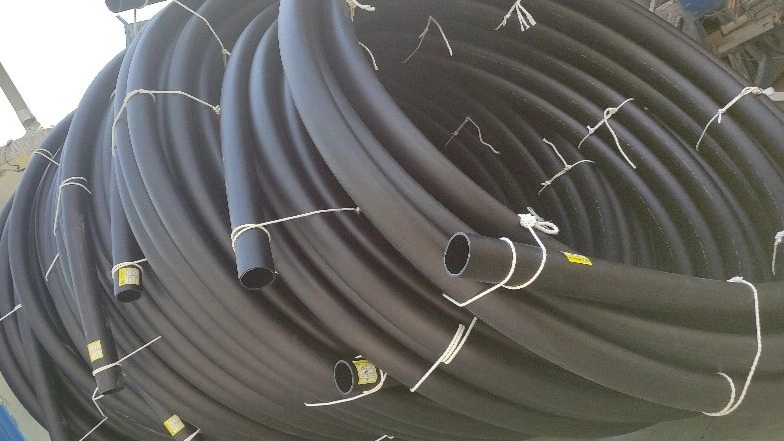


Polyethylene is one of the most widely used plastic pipes produced worldwide; Therefore, polyethylene pipe is also a very efficient pipe in today's industry, which has replaced metal pipes, GRP pipes, PVC pipes and cast iron pipes. This pipe is used the most in major applications such as small and large branches, building piping and other industries, which we have used in a more specialized manner in the applications section. This pipe has good chemical, thermal, mechanical and electrical properties, which at the same time has high flexibility along with chemical and electrical resistance.
What is the use of polyethylene pipe?
Due to the diverse and unique connections of the polyethylene pipe, it is most commonly used in the following cases:
• Use in water supply networks
• Gas networks
• Sewage network • Slurry transmission lines
• Rural and pressurized irrigation
• Mobile irrigation
• Fire system supply lines
• Electrical, telecommunication and fiber optic conduits
• Dredging systems
• Sewer connections and pipes
• Drainage network
• Covering metal pipes
• System of ventilation channels
Why is it recommended to use polyethylene pipes?
The easy installation method, strength and longevity of these pipes have made this pipe to be introduced as the best alternative to old pipes.
Polyethylene pipes with a size of at least 110 mm are produced only in the form of 12 meter branches. ; But it can be made according to the customer's order in sizes less than 12 meters. Keep in mind that polyethylene pipes that are longer lead to fewer connections, less installation time, and therefore less cost.
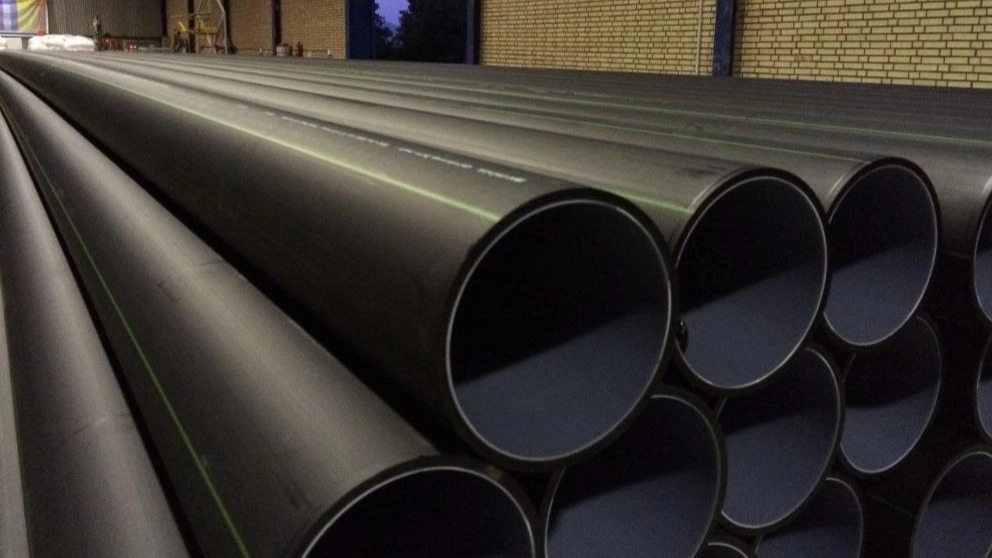
The most important difference between polyethylene pipes with iron pipes and other pipes
The first and most important difference between polyethylene pipe and iron pipe or steel and concrete pipes is its low weight, which makes it easy to install and implement. As mentioned in the section on the advantages of polyethylene pipe, this pipe can withstand temperature stress such as cold and extreme heat and is not damaged.