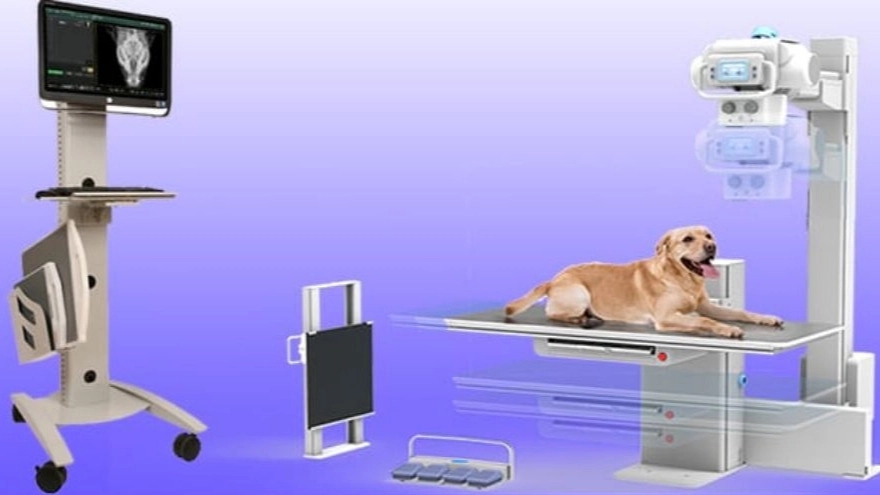
The veterinary radiology device, which is also called diagnostic imaging, includes methods that are used to obtain images from the body of animals with the help of various rays such as X-rays or other rays. These images are used to diagnose various diseases and problems of animals. In radiology, ionizing or non-ionizing rays are used, each of which has a specific application and is used for a different purpose. Veterinary radiology is divided into the following three categories:
In X-ray imaging, due to the danger of these rays, it is necessary to enter a certain dose into the body. In fact, this dose is the minimum sufficient dose in the shortest possible time by which a suitable and high-quality image is created. X-rays can pass through all materials including gas, liquid and solid. But lead is the only substance that x-rays do not pass through due to its high atomic number. For this reason, it is necessary to make the walls of veterinary radiology rooms made of lead to create more protection. To perform the imaging, it is necessary to keep the animals motionless, in which case anesthesia is used. Because movement can disrupt the created image and destroy its clarity, in which case the veterinarian has to repeat the imaging, and this causes more radiation to enter the animal's body. In addition to the fixed model, veterinary radiology devices also have the following two models:
Portable or portable: This model, which is mostly used for large livestock, works with batteries and is easily moved, and of course, it is less intense.
Mobile : Unlike portable, this model only works with electricity, but it can be easily moved to different departments of the hospital or veterinary clinic. This device is also used for animals weighing up to 100 kg and is used for imaging the chest, head and paws of animals.
Veterinary CT scan (CT Scan):
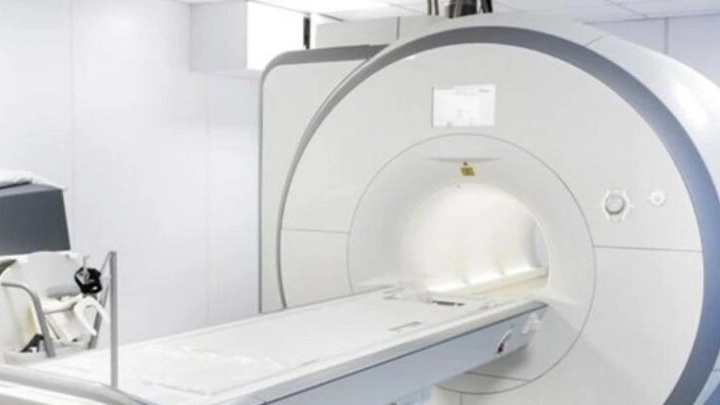
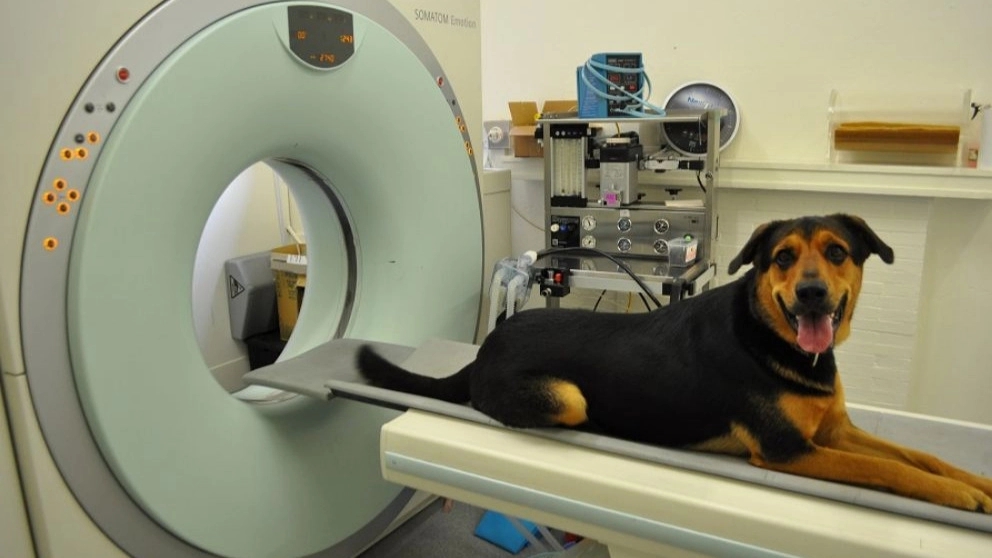
One of the types of veterinary radiology equipment, which is one of the most widely used veterinary imaging methods, is the CT scan method, which is used non-invasively to observe the structure, shape and size
of the soft and hard tissues of the animal body. . The animal is placed on a special bed, and then the part of the body that is necessary goes into the CT scan machine. This device has an x-ray tube that rotates 360 degrees around the patient and takes different images from different angles. Then this information and images are transferred to a computer and finally provide 3D sections of different parts of the body. These images can be printed and examined on a negatoscope. This method is especially used to examine tumors in the body of animals, because by means of it, the position and size of the tumor can be determined well. This method is mostly used for hard and bony tissues of the animal body, and it is better to use MRI for soft tissues.
Veterinary MRI (MRI):
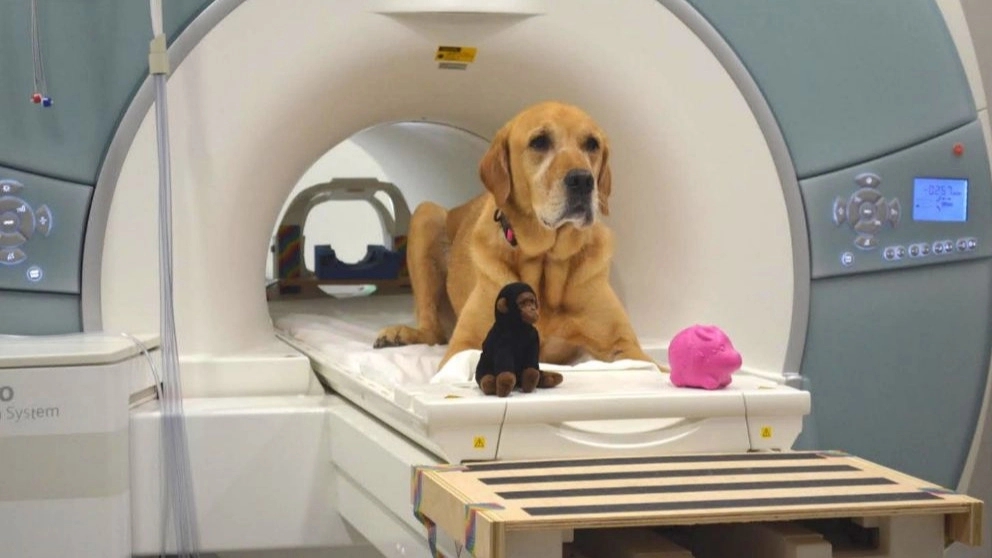
Veterinary MRI or Magnetic Resonance Imaging uses a strong magnetic field (60,000 times stronger than the Earth's magnetic field) and radio waves to provide images of different parts of the animal's body. This method, which is one of the subsets of the veterinary radiology device, when the animal's body is placed in this magnetic field, the protons of the nuclei of the atoms of the damaged tissues of the animal's body rotate and their axis of rotation is placed along the lines of the magnetic field of the device. Then radio waves are irradiated to the body, which slightly change the axis of rotation of these protons. After the end of the radiation, the rotation axis of the protons aligns with the magnetic field again. In this way, new radio waves are created that are emitted by protons. These waves are received and processed by the device's computer, and the veterinarian can diagnose the disease or physical problem of the animal by examining the created images.
The computer of the MRI machine has a very complex and powerful system that processes the raw information obtained from the animal's body and creates clear images. In addition, the speed of its data analysis is very high. In many cases, MRI imaging method is more accurate than other methods such as CT scan. In addition, because X-rays are not used in it, there is no risk. This method is used to diagnose diseases such as inflammation and tumor in the brain and spine, eye and inner ear problems, and other animal body problems.