

Polymer plastics
By definition, plastics are materials that can be molded or deformed and retain the shape obtained by pressure deformation. In turn, polymer comes from the Greek words poly meaning many and meros meaning parts or units. Therefore, a polymer is a chain of interconnected units that occur naturally in the shells of turtles and animal horns, cellulose and latex from tree sap. The plastics industry, in search of new products and applications, experiments with these chains to change the properties of polymers and create synthetic varieties such as PET, PVC or PVA with unique qualities and multiple uses.
What are polymer plastics?
Polymer plastics are chemical compounds that consist of large chains of interconnected bonds. The size of the molecules, along with their physical state and structure, determine the properties of any plastic, and malleability is a key characteristic.
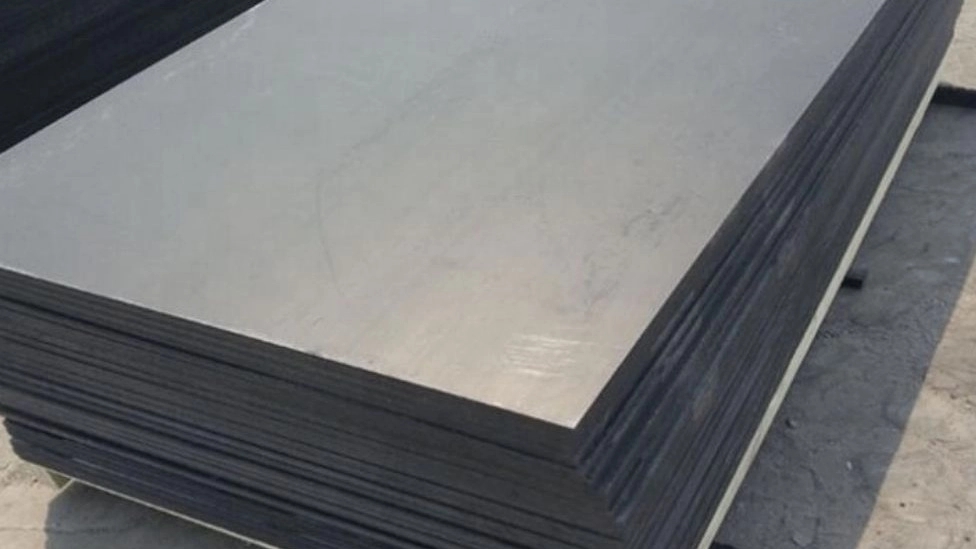
Polymer plastics can be divided into two categories: thermoplastics and thermosets. Thermoplastics such as polyethylene and polystyrene soften when heated. This means they can be repeatedly melted and molded. You can heat them and mold them into new shapes, giving thermoplastics the ability to be recycled due to the separation and mobility of their molecules. On the other hand, thermostats become hard and unmeltable after heating. This means they cannot be remelted and reworked. For this reason, these plastics, like epoxy polymers, are good for electrical applications.
Applications
Each polymer plastic has different properties depending on its molecular characteristics and the intervention it receives during the production process. The hardness, failure stress, toughness, and conductivity of each polymer determine whether they can be useful as films and coatings, foam cups, automotive parts, or test tanks. The fact that they can be designed and engineered in different ways to produce different plastics is what makes them so versatile.
Some of the most common thermoplastic polymer plastics include:
Polypropylene: It is used in chemical tanks, machine covers and electrical switch cabinets
High-density polyethylene (HDPE): used in piping systems, fuel tanks, and telecommunication channels.
Polystyrene: used in molded objects such as dinnerware and trays
Polyvinyl Chloride (PVC): Used in transparent food packaging, bottles, floor coverings and synthetic leather.
Acrylic (AC): used in boat windows, display cabinets, test reactors, and signs