
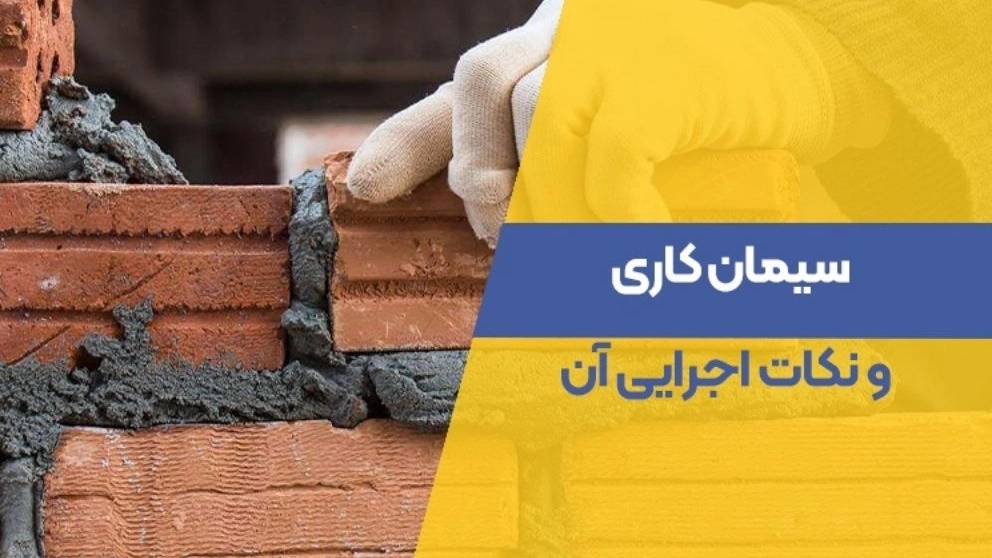


What is cement?
Cement is generally a sticky material, which in a narrower sense is a binding material used in building and civil engineering constructions. These types of cements are finely ground powders that turn into a hard mass after mixing with water. Setting and hardening results from hydration, which is a chemical combination of cement compounds with water that produces submicroscopic crystals or gel-like materials with a high surface area. Construction cements that harden even under water are often called hydraulic cements due to their hydration properties.
One of the latest advances in materials is the use of friction-reducing additives in cement. These chemicals apparently reduce the strength of the slurry and allow turbulent flow at lower pumping rates and pressures than conventional slurries. This action is removed in step 1,2,3.
It is better to use the circulable mortar from the throat during cementing to avoid the formation of cover and holes, which makes complete uniformity possible easily. More recent mechanical advances include the introduction of sonic logging techniques to evaluate cementing results in terms of bonding at pipes and cement formation interfaces. Many questions have been raised about these reports, as several factors affect their correct interpretation.
These include considerable interest in cement bonding capabilities and methods that may be used to improve this property as it affects the quality of the initial cementing job.
Cement applications
Cement may be used alone (i.e. as grouting material), but there is also conventional use. Concrete mortar in which cement is mixed with inert materials called as All cement mortar mixed with sand or crushed stone shall be less than 5 mm (0.2 in.) in size.
Concrete is a mixture of cement, sand or other fine aggregate and coarse aggregate, which for most purposes is between 19 and 25 mm (0.75 to 1 inch), but coarse aggregate may be as large as 150 mm. .
When concrete is placed in large piles such as dams, it can reach up to 6 inches. Mortar is used to stick bricks, blocks and stones in walls or as a surface coating. Concrete is used for various construction purposes.
A mixture of soil and cement is used as a construction base. Cement is also used in making bricks, tiles, shingles, pipes, beams, railway ties and various products. Prefabricated products are supplied in factories and ready for installation. Cement manufacturing is very widespread, because concrete is the most widely used of all building materials in the world today.
Appliances required for cement
Shokul
Iron and wooden bar
Work thread
trowel and trowel
Cement ladle
Manual mortar
Types of trowel boards
wheelbarrow
stable
Serand Eshm Belbuli
sieve
bucket
Bill
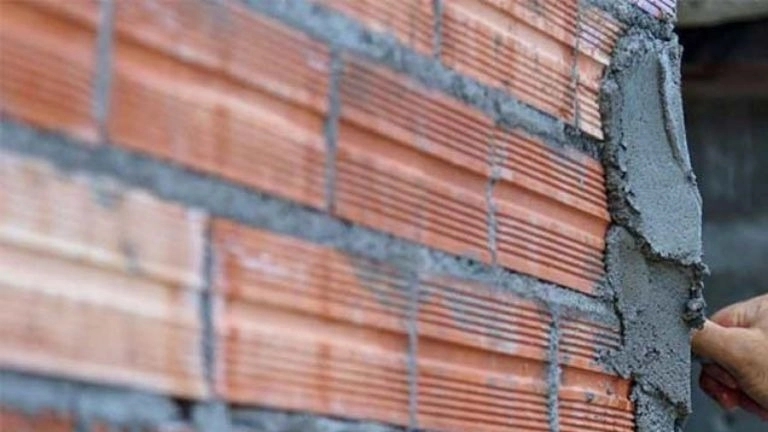
The steps of cementing and its implementation
It is better to start the cement work first to make sure that the surface you are looking for is completely smooth. In the first stage, the smoothness of the bottom surface makes you have a smooth surface at the end of the work. This work is very important to make the final cement more beautiful and clean. In the second stage, with the help of a plumb line, the foreman starts the cement work. The plumb line makes it possible to prevent the work from falling out at the time of completion.
By dragging the cement on the wall for chrome, it is better to hang the cement on the wall first, then start cementing the distance between the string and the wall. After completing the wall between the two chromes, he cemented it again. In the third step, after making sure that the crowns are dry, it is better to prepare the desired mortar using soft sand, water and cement.
The next step or the fourth step is lining. Lining is a well-known word among the general public. Streakshi basically refers to a thin layer of cement spread on the wall, which caused all the seams to be covered. The last step is to draw the cement layer again. It is enough for you to use all your precision in the second step of cementing. With enough care in this step, you will have a smooth and perfect wall after finishing the work.
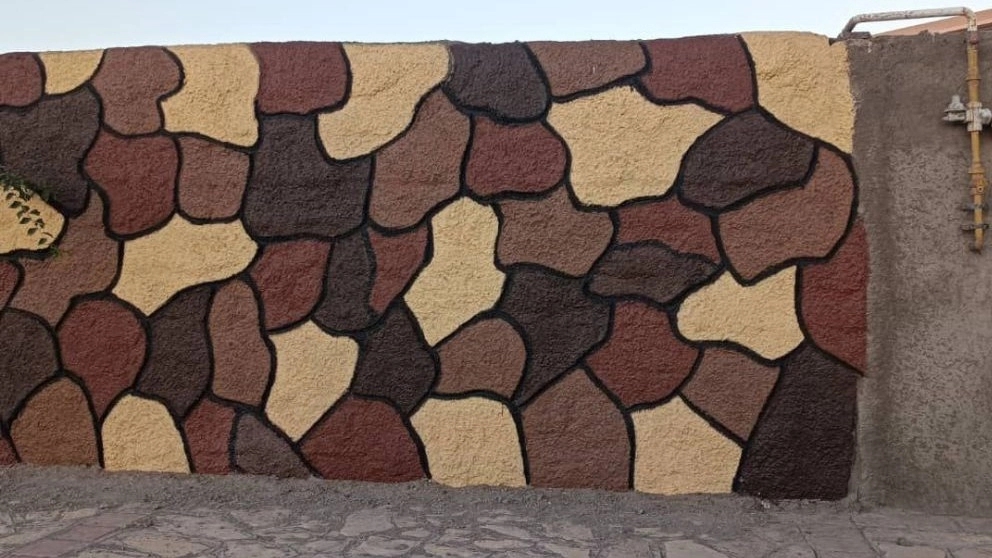
7 types of cement facades of building
There are different views when the building is cemented. Some people like their facade to be made of cement, so the variety of facades made of cement has increased a lot. 7 types of common building facades are as follows.
Nama mahoti
hammer face
Washed mosaic facade
scratched facade
Washed cement facade
Roman facade
White cement