

The use of forklifts in the petrochemical industry
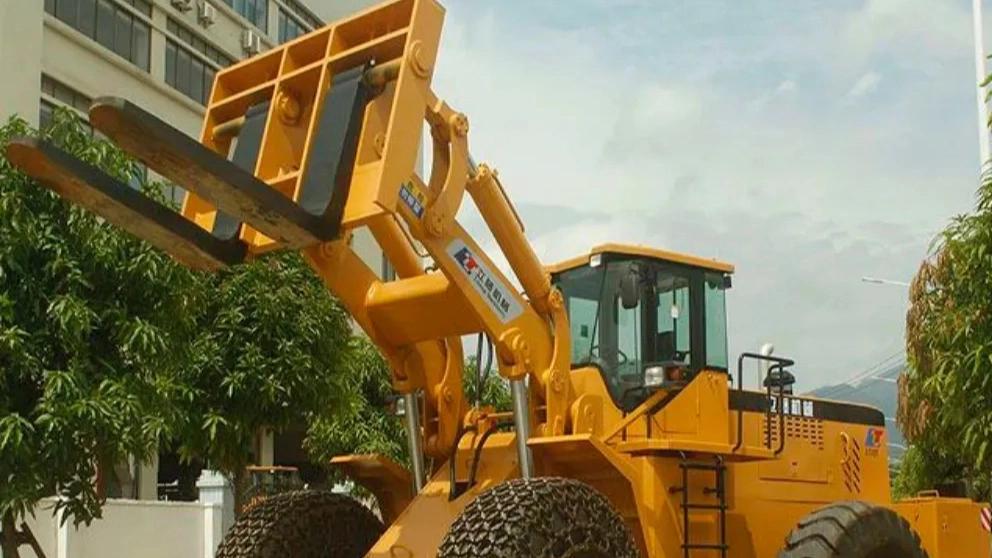
The use of forklifts in the petrochemical industry is in a special place. The petrochemical industry includes the production of chemicals and polymers from petroleum and other hydrocarbons. Some of the most important petrochemicals include ethylene, propylene, benzene, toluene, xylenes, methanol, vinyl chloride, and styrene. These chemicals are essential raw materials used to produce thousands of everyday products such as plastics, fabrics, paints, detergents, solvents and adhesives.
Powerful lifting capacity: Most forklifts can safely lift loads between 3,000 and 36,000 tons to considerable heights. This enables efficient handling of heavy containers and pallets.
Compact Size: Forklifts can maneuver in tight spaces between pipes and equipment common in petrochemical facilities.
Operator Protection: Features such as Overhead guards, seat belts and stability controls provide operator safety.
Specialized designs: explosion-proof, electric, etc. forklifts specifically designed for hazardous chemical plant environments.
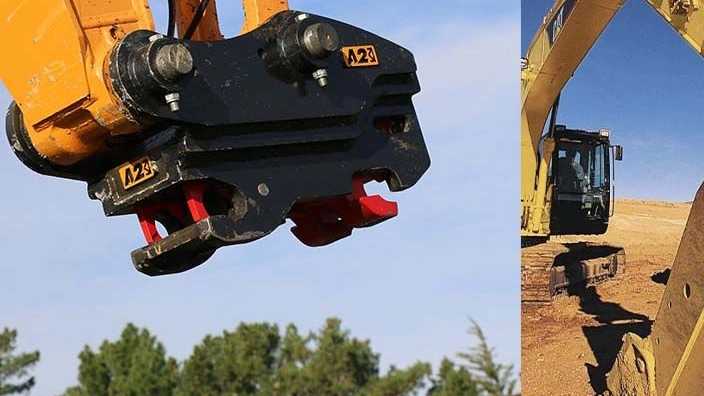
Flexible attachments: forks , sideshifts, platforms and other attachments adapt forklifts for specialized lifting tasks.
Flexible attachments: forks, sideshifts, platforms and other attachments adapt forklifts for specialized lifting tasks.
In general, forklifts play an important role in moving materials in petrochemical factories and warehouses. Their ability to lift and transport goods while protecting the operator makes them a versatile asset.
Translating safety in the petroleum and petrochemical industry
By using forklifts instead of manual labor to move materials, companies can significantly reduce the risk of injury to workers. Forklifts eliminate the need for workers to manually lift, lower, or carry heavy objects that often lead to back injuries and strains. Controlled operation of a forklift is much safer than manual handling of hazardous materials.
Forklifts greatly improve spill prevention and response. Forklifts allow materials to be lifted and moved smoothly, preventing dangerous spills of chemicals, fuel or other hazardous liquids. If a spill does occur, forklifts allow a quick response to safely contain and clean up the spill. Forklifts also reduce the chance of bumps or falls that can cause spilled containers.
Forklifts offer better visibility and control compared to manual handling. Forklift operators are positioned higher off the ground, giving them a clear view of their surroundings and potential hazards. This vision combined with the precise maneuverability of forklifts enables operators to move safely in crowded areas. The stability and narrow control of the forklift also minimizes displacement or overturning incidents.