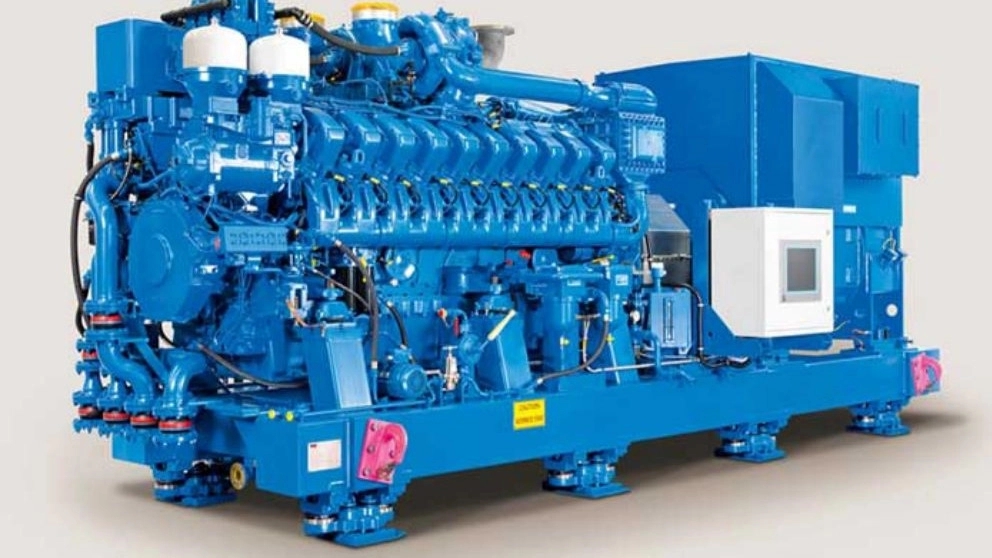
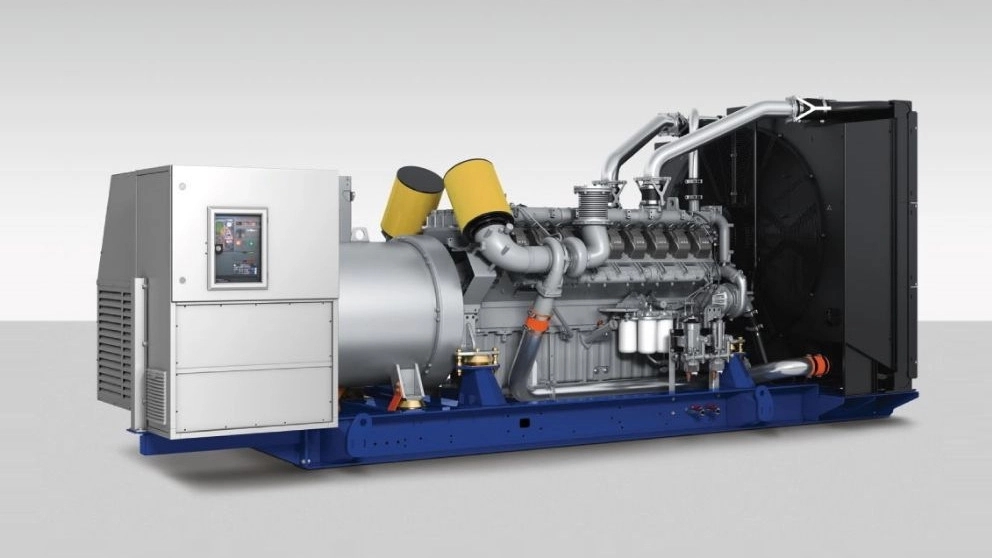
Diesel Generator:
Diesel generators are large devices that generate electricity using diesel. Mostly because of their high production potential, they have industrial uses. In these devices, rotating mechanical power is produced in the internal combustion engine with diesel fuel. In the next step, this rotational force is converted into electrical energy by the alternator.
In the diesel generator engine, first, air and fuel enter the combustion chamber and are compressed to a great extent. This compression causes the temperature to rise and combustion to occur. Finally, it pushes the piston back and produces a force that produces a rotational mechanical force. This rotating mechanical force by the crankshaft causes a coil (magnet) to rotate inside another fixed coil. This action creates an electromagnetic force in a fixed coil and finally the output of the device is electricity. It is used to power ships, trains, industrial environments, and stadiums.
Power Engine:
The electric motor is actually the same as the diesel generator, with the difference that it has smaller dimensions, works with gasoline, produces less electric power, and costs more. In contrast, diesel generators cause both noise and environmental pollution.
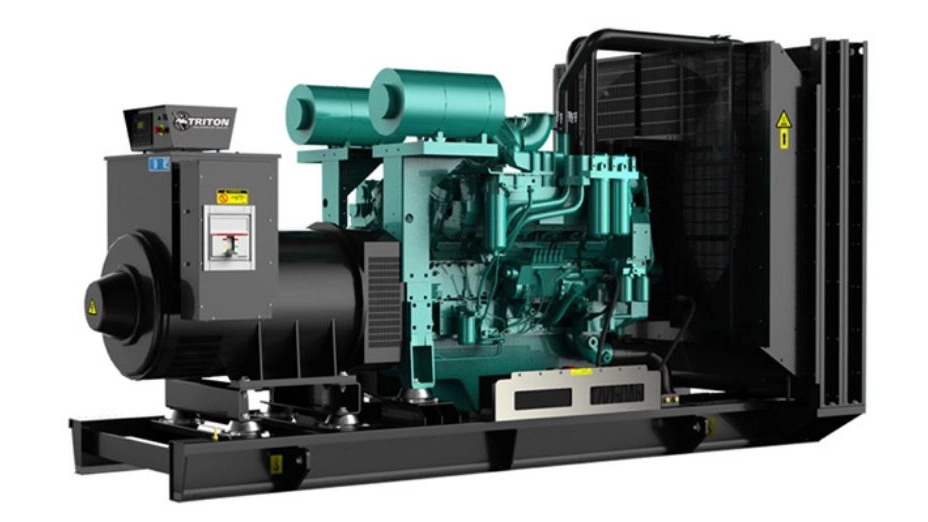
Diesel Generator and Power Engine Difference
The most important difference between a diesel generator and an electric motor is the combustion process. In an electric engine that uses gasoline fuel, after the air and fuel enter the cylinder chamber, a spark is made by the spark plug to ignite the mixture, and the piston is pushed back and a rotational mechanical force is produced.
But in a diesel generator, there is no longer a spark plug to create a spark. Rather, the mixture of air and fuel is compressed so much that the temperature of the mixture rises, and this increase in temperature causes combustion, which causes the piston to move back and produce power that enters the generator through the shaft. Today, there are also gas-powered electric motors. Because of the type of fuel they use, their costs are lower than gasoline electric motors, they are less expensive, they are less dangerous, they cause less air pollution, and they increase the lifespan of the product. To increase the life of the engine of gasoline electric motors, they should be switched off for 2 hours every few hours of operation.