



The use of false ceilings in the building
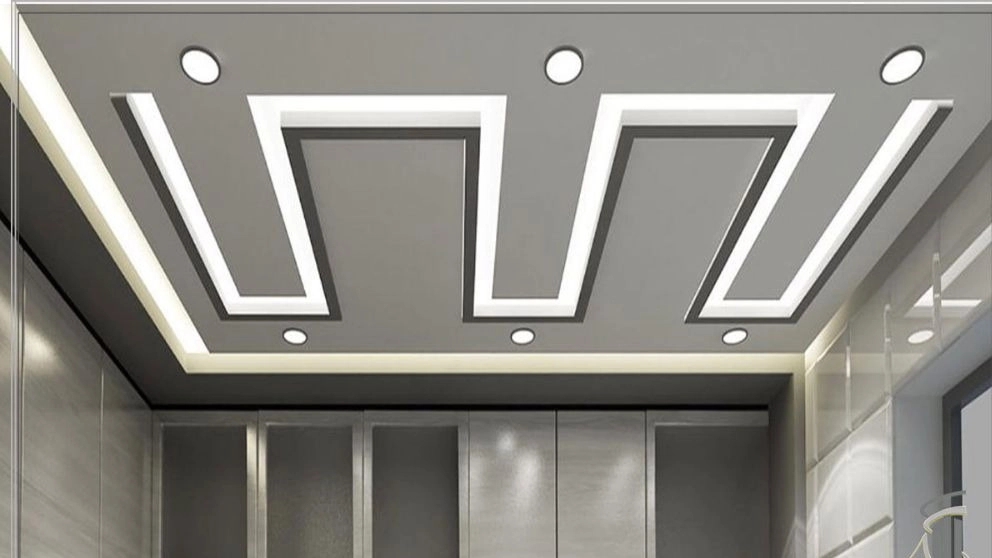
These types of roofs are connected to the skeleton of the building and their load is on the main structure of the building. In this way, an empty space is created between the roof and the lower part of the main structure. Such roofs can be made flat or in any other shape. False ceilings should be made using light materials and be very careful in their molding so that they are properly connected to the building frame or skeleton so that no damage is caused to the adjacent walls due to the shocks caused by the earthquake.
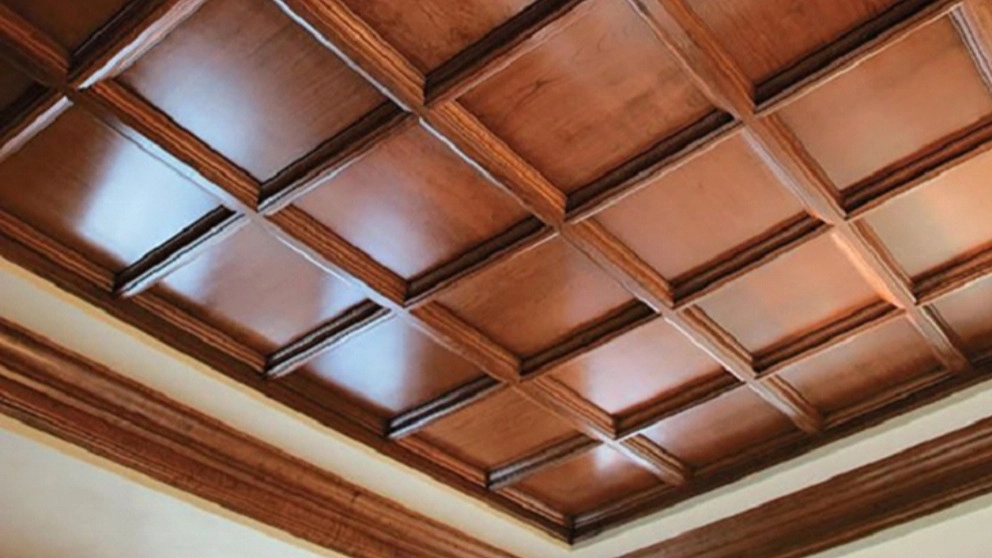
< br>Also, it is one of the disciplines of the interior architecture of the building, which is used to cover the main roof or under the roof. There is not much information about the past of this field. It is not known to what extent the first people who used false ceilings were aware of its different users, but what is clear is that false ceilings were able to find their place in the construction industry in a short period of time. In 1365, the initial false ceilings made of plastic parts were used in Kermit composite ceilings. Due to the high price of materials and their non-adhesion to soil and plaster, as well as creep, its use was restricted. On the other hand, the production of galvanized sheets in the form of rabbits in different forms and the production of galvanized sheets in Iran led us to use this product. False ceilings can be installed in many ways, such as wooden, plaster, PVC, colored metals, glass, iron, coated metals, aluminum, composite, etc. In each of these cases, they can be implemented as a unit or together.
Benefits of working with false ceiling:
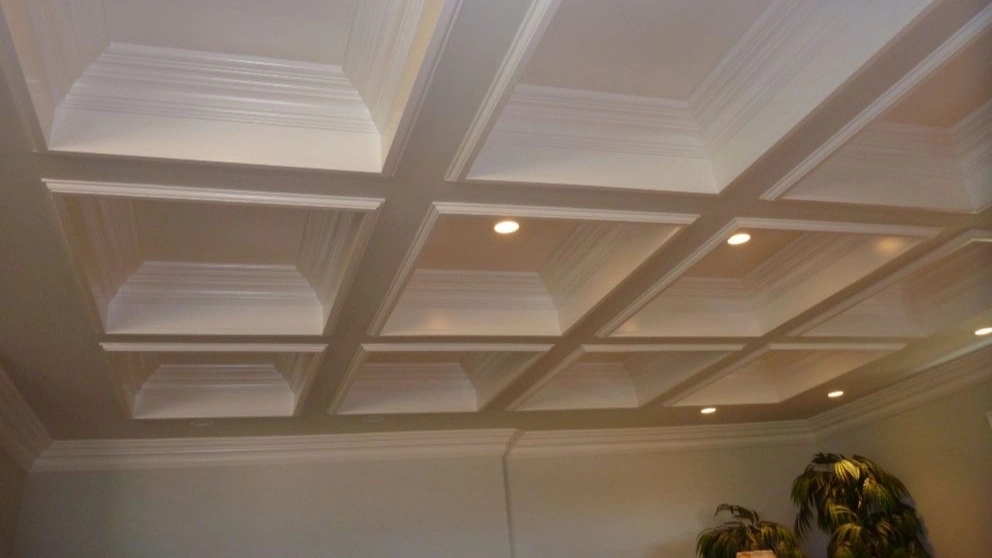
The ability to use thermal insulation in the roof and very complete and accurate sealing to prevent temperature exchange
Using false ceilings can reduce energy consumption.
Preventing air exchange Inside the environment with the outside environment
reducing the occupied space and preventing the wasteful consumption of energy