Investigating Applications of Ceiling and Wall Unolite Unolite
Before addressing the difference between ceiling and wall unolith, we will examine the applications of ceiling and wall unolith. The applications of Unolit ceiling and wall in the construction industry are usually determined according to the unique characteristics of each.
Application of ceiling monolith
Roof covering: one of the main applications of roof unilite is covering various roofs. This type of unolite is used as thermal and sound insulation for residential and commercial roofs.
- Insulation: roof unolite is used to create thermal insulation in buildings. In fact, these insulators help prevent heat loss inside the building and reduce energy consumption.
- Other applications: Other applications of Unolit ceiling include use in heating and cooling systems, creating separators between floors, and building different sections in industrial buildings.
Application of wall ionitis
- Wall insulation: wall unolite is used to create thermal and sound insulation in the internal and external walls of buildings.
- Construction of separating walls: This type of unolith is used for the construction of internal walls, which act as a separator between rooms or different sections in residential and commercial buildings.
- Resistant walls: Unolith wall can be used as impact and pressure resistant walls, especially in cases where light and portable walls are needed.
With these interpretations, both types of Unolit can be used in construction projects according to specific needs and technical specifications.
Application of wall and ceiling monolith in comparison of pottery block and plastofom
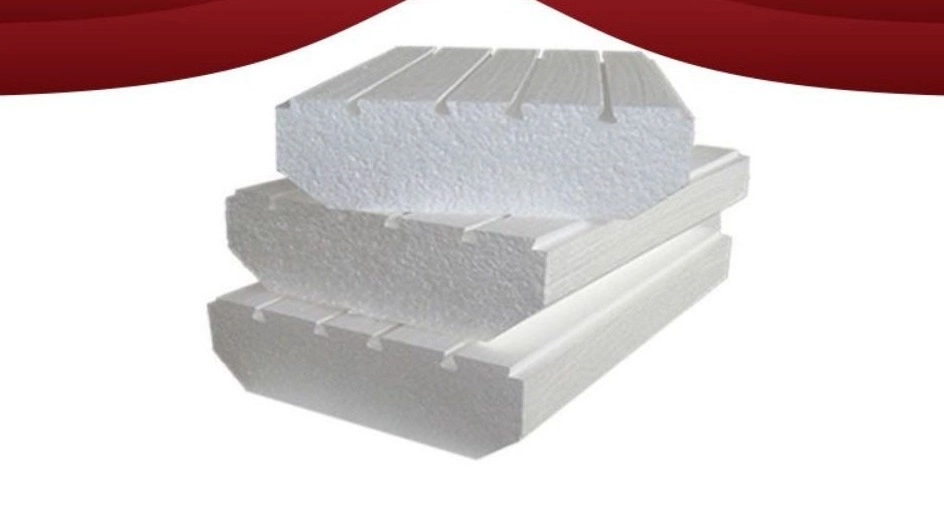
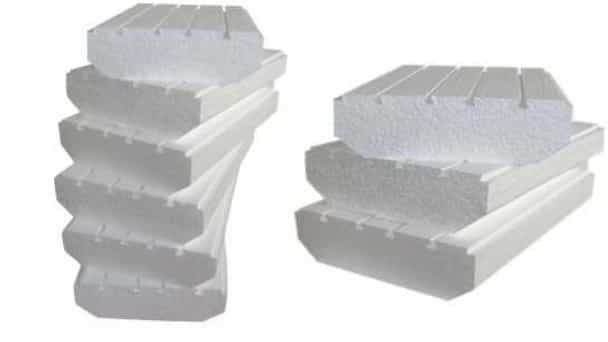
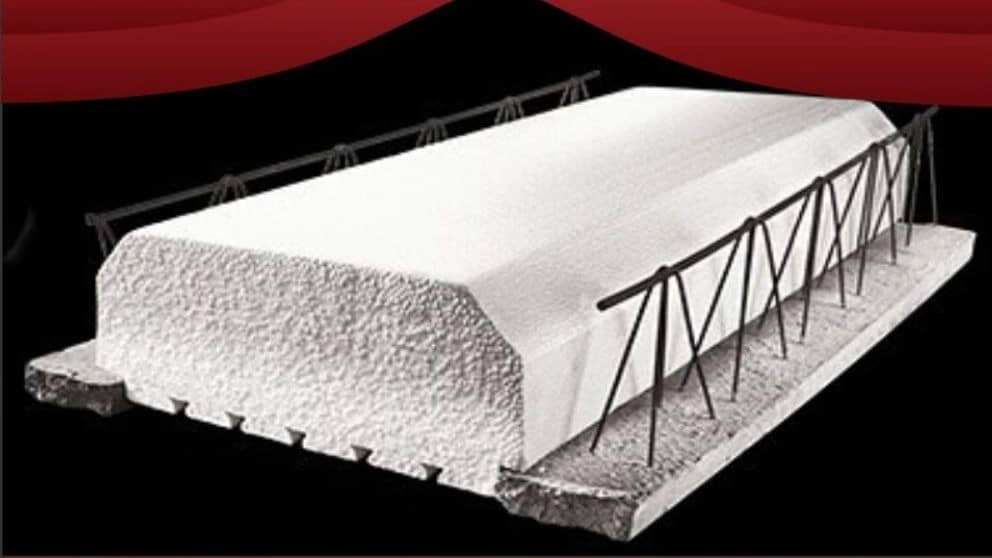
- Roofing monoliths are usually used to form concrete in single-sided slabs or block beam ceilings, while walling monoliths are used to decorate and insulate walls.
Wall foam thickness and ceiling foam:
- Ceiling unoliths are naturally thicker than wall unoliths. The thickness of roof unoliths is usually between 20 and 60 cm, while wall unoliths are between 5 and 10 cm thick.
Dimensions of Ceiling Unolite and Wall Unolite:
- Ceiling tiles are made in the form of plates with a plate-like shape and larger dimensions, while wall tiles are produced as square or rectangular blocks with smaller dimensions.
Ceiling and Wall Unolite Price:
- In most cases, due to the greater thickness of the ceiling foam, the price of ceiling unolit is higher than that of wall unolit.
Wall and ceiling density density:
- Ceiling unoliths have a higher density than wall unoliths. As a result, they cause more resistance to loading and pressure.
Appearance:
- The appearance of wall unolith is different from ceiling unolith. Ceiling tiles are large and thick blocks, while wall tiles have various shapes that are used for interior decoration.