

What is a turning?
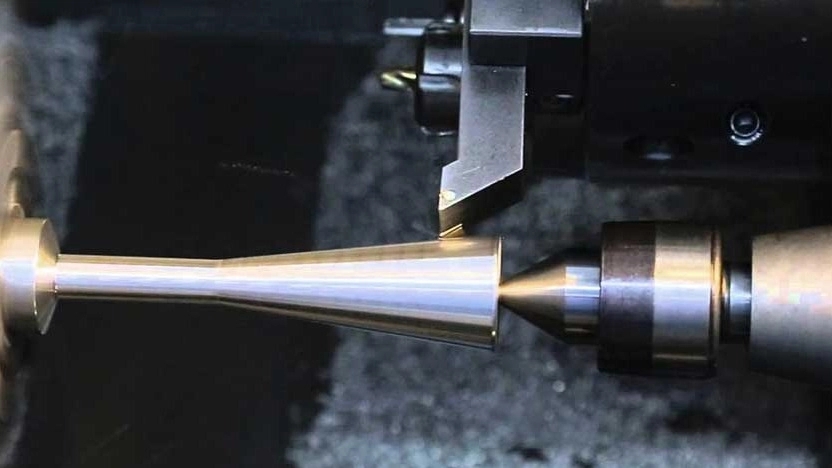
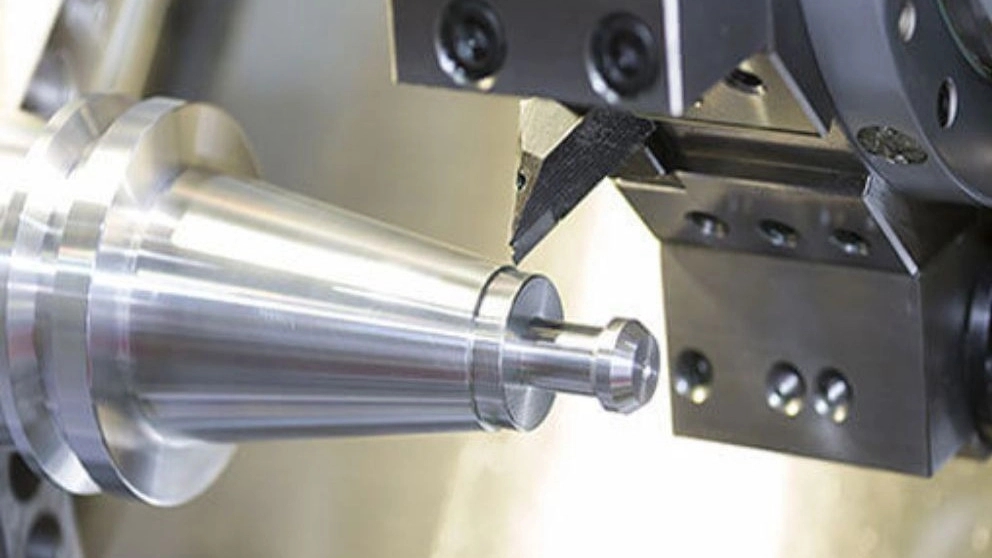
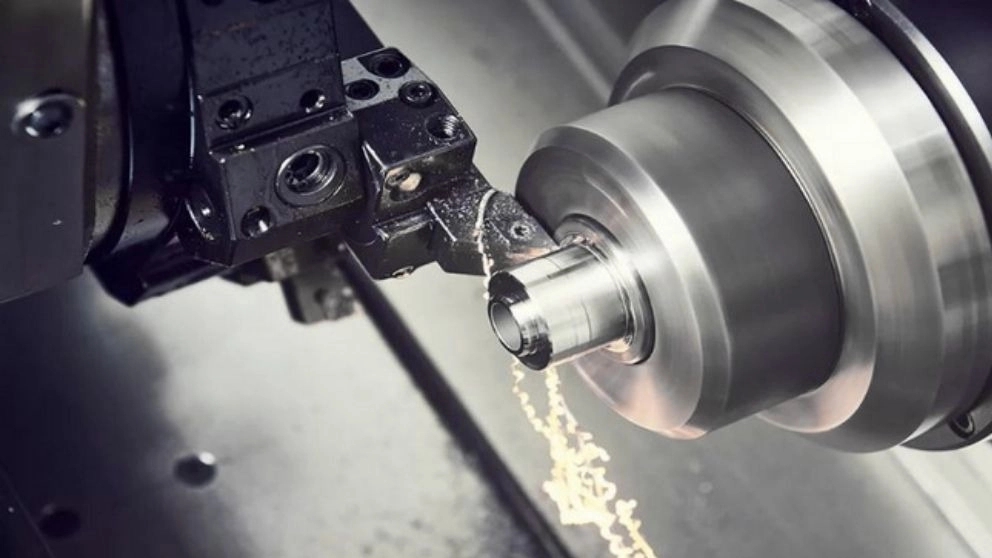
Turning is a machining process in which a lathe is used. Lathes are heavy and versatile machines that have a fixed cutting tool and a rotating workpiece. This process is known as turning. In this process, the workpiece is attached to the machine and then a cutting tool rotates while pressing on it. The rotational force of the lathe cutting tool allows it to remove material from the workpiece, thereby reducing its size and simultaneously changing its shape.
What is Milling?
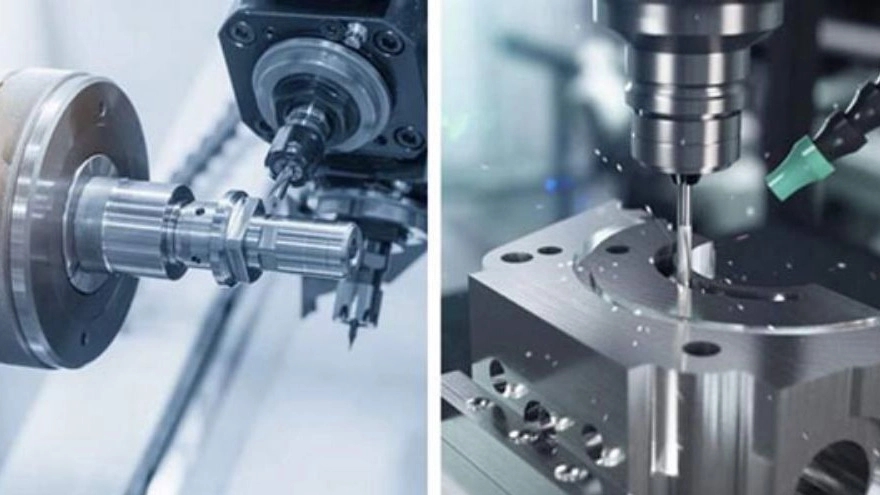
As you may have guessed, veneer milling is also a machining process that uses a milling machine. Milling machines have a cutting tool and a workpiece, but these components work in a fundamentally different way compared to a lathe. In a lathe, the workpiece rotates against a fixed cutting tool. In a milling machine, the cutting tool rotates against a stationary workpiece. Although there are exceptions, most milling machines do not use single-blade cutting tools and use multi-blade cutting tools. With the help of multiple blades, the cutting tool is able to remove more material from the workpiece than the lathe cutting tool, which usually has a single blade. Regardless, finish milling is a machining process that removes material from a workpiece by exposing the workpiece to a rotating, multi-blade cutting tool.
What is the difference between milling and turning?
Basically, milling and turning tools are considered precision engineering tools that have a great impact in different industries and projects.
Turning, as one of the metal cutting methods, is an operation that grooves the internal or external surface of metal or non-metal parts with the help of a machine called a turning machine. In this process, the turning tool is fixed and the workpiece is rotating.
This is when the milling process is used to remove chips and polish different surfaces. For this purpose, we use a device called a milling machine. Milling machines are divided into two categories, horizontal milling machines and vertical milling machines, according to the placement of the milling blade, which is horizontal or vertical.