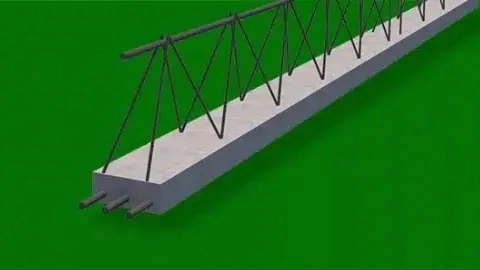
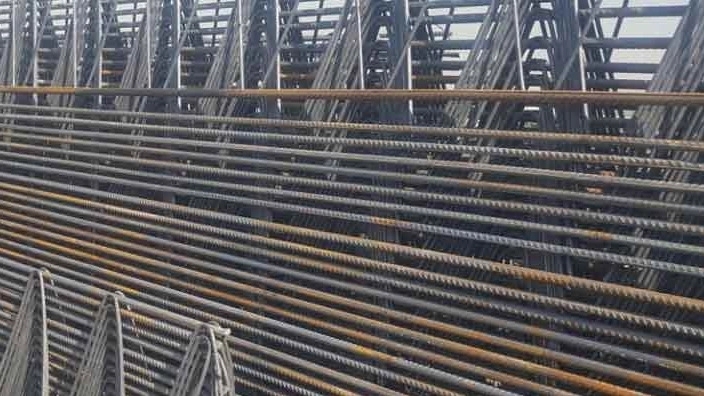
What is an industrial joiner?
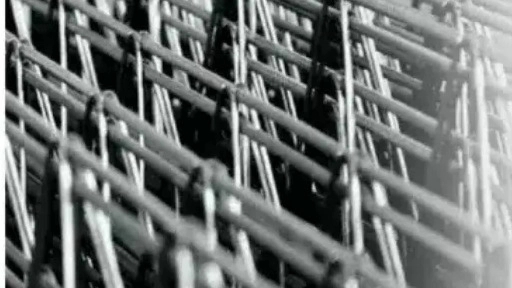
Comparison of industrial and traditional joists
The first difference between an industrial beam and a traditional beam is the type of connection of their metal sections. Spot welding method is used in industrial beams, which reduces the fracture in the beam. But in traditional beams, electric arc welding is used, because the reinforcements in the beam contain carbon, the use of this welding makes the beam brittle.
Among the other differences between industrial and traditional beams, it can be mentioned that, as the name implies, the production of industrial beams is a mechanized and fully automatic process, but traditional or manual beams are made by humans. Due to the mechanization of the industrial beam manufacturing process, the amount of errors and mistakes is minimized. This also increases the speed of production of beams.
Cutting bars that are produced in an industrial way have high precision. This is despite the fact that the rebars of the beams that are produced manually are mostly asymmetrical and cause the beam to twist. But because the machine is used in the production of industrial beams, the beam will have balance and symmetry, and as a result, because the internal forces are aligned, the beam will not buckle.
Another difference between the industrial beam and the traditional beam is that in traditional beams, if the zigzag bars are asymmetrical, the connection with the upper wing is cut when the diagonal shear member is separated from the upper bar. While in industrial beams, in case of such an event, the connection with the upper wing is maintained and the beam can still bear the load of the roof.
To add to the length of the beam, in traditional beams, zigzag rebars must be connected by butt welding, which causes discontinuity in the length of the beam. But in the industrial beam, this work can be done by using transverse coil rebar and maintaining continuity along the length of the beam.
Benefits of industrial joists
Decreasing the weight of the beam and as a result reducing the final weight of the structure implemented with it
Reducing the cost of producing beams and reducing the price of beams
Reducing the consumption of beams
Increasing the quality of the beam