What is Kefraj?
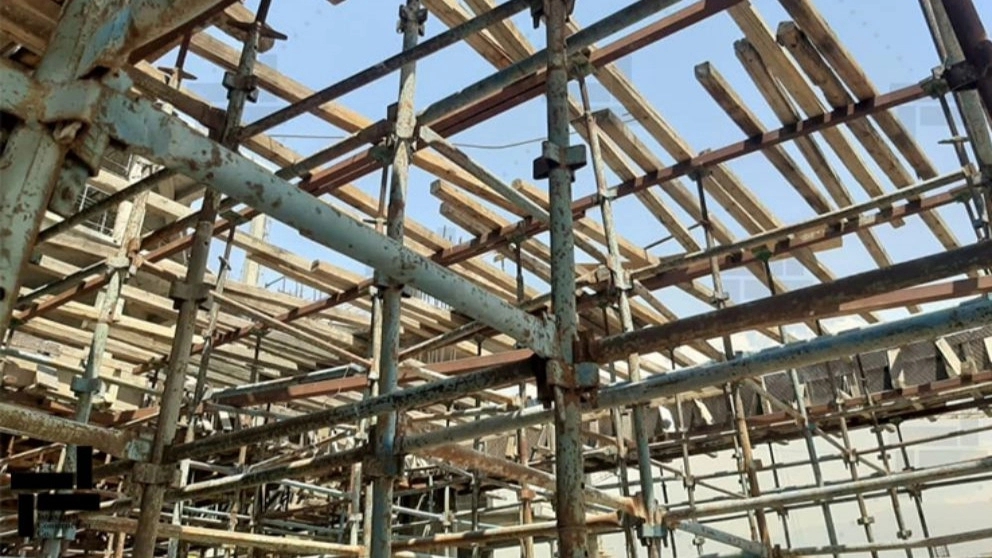
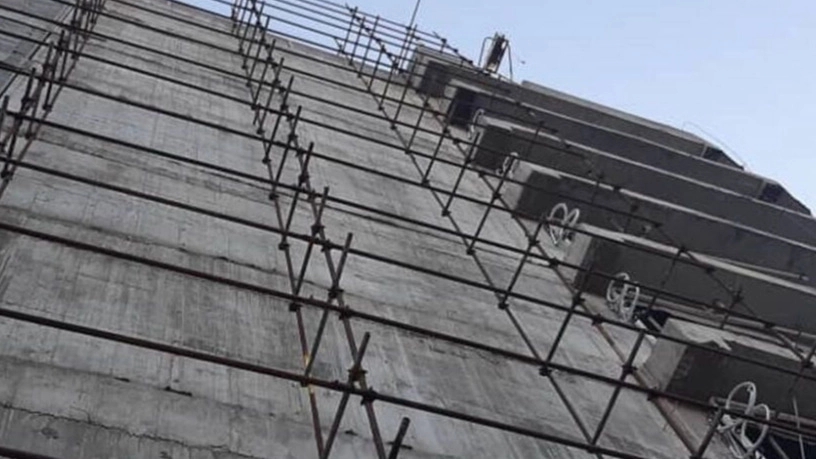
Formwork is a type of temporary structural molding that is used as a mold when pouring concrete. This formwork is a vertical or horizontal arrangement that holds the concrete in position until it hardens and takes the desired shape. Formwork is provided for structures such as columns, walls and concrete slabs.
They can be made of wood, plywood, steel, wood and steel combination, reinforced concrete and plain concrete. Formwork in construction requires a lot of money and is a time-consuming step. In addition, its costs increase in the construction project of a huge structure such as a dam, reservoir and bridge.
What are the characteristics of quality infrastructure?
Introducing all kinds of infidels
Types of formwork are classified based on the material used in its construction and have various models. Its types include wooden formwork, metal formwork, plastic formwork, fiberglass and polymer formwork, sliding or movable formwork, and permanent formwork. In this section of the article, explanations are provided about each of them.
Foam
In this type of formwork, chipboard wood and three-layer boards are used to make the mold. The templates made in this model are very simple and easy to work with. It is also possible to change the size of the wooden molds, because they are connected with nails and screws. This type of formwork is relatively resistant to heat and has a low weight. One of the drawbacks of this type of formwork is that it is time-consuming in large projects. Also, this model is not friendly to nature due to the large use of wood and can cause a lot of damage to the environment. On the other hand, the size and shape of the wooden boards should be taken into account when making these molds. Because the seams of the mold may not fit together well and the material will leak out when concrete is poured.
Wooden formwork
Lag
One of the most widely used types of formwork are models using metal molds. Unlike the wooden model, these models increase the speed of the project to some extent. Also, metal molds can be easily moved. They are very easy to use and provide a smooth surface for molding. Although metal molds have high resistance and strength and can be used for several times, they are heavy and have a high cost.
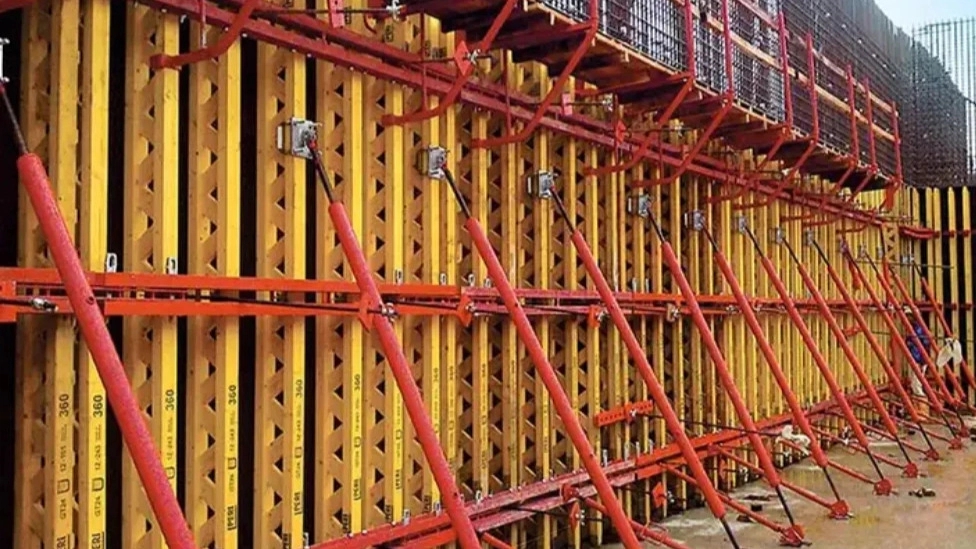
Foam
Plastic molds are usually used for simple and small buildings. This formwork model is very light and cheap, and if it is moved carefully, it can be used for another project.
Fiberglass and polymer mold
Fiberglass molds are usually used in roof concreting. The reason for using such forms is to lighten the roof and wide concrete foundations. The characteristic of fiberglass formwork is to have a high security factor, and their use also reduces the weight of the structure. In addition, this model is implemented in a short time and minimizes the amount of permeability in the building.
Falling up using a slippery or moving mold
Generally, the sliding formwork is hydraulic and it is used when uniform concreting is required. These templates are made both horizontally and vertically. Horizontal models are used to build tunnels, water channels and drainage channels. Vertical models are used to build silos and large warehouses, telecommunication towers and material storage facilities.
Lacquer
This model is a fixed formwork type, therefore, unlike temporary structures, it must be highly durable. Formwork using a permanent form is considered as part of the building materials. Therefore, it is very important not to move it and not to make any changes in it during the construction stages.
Scaffolding
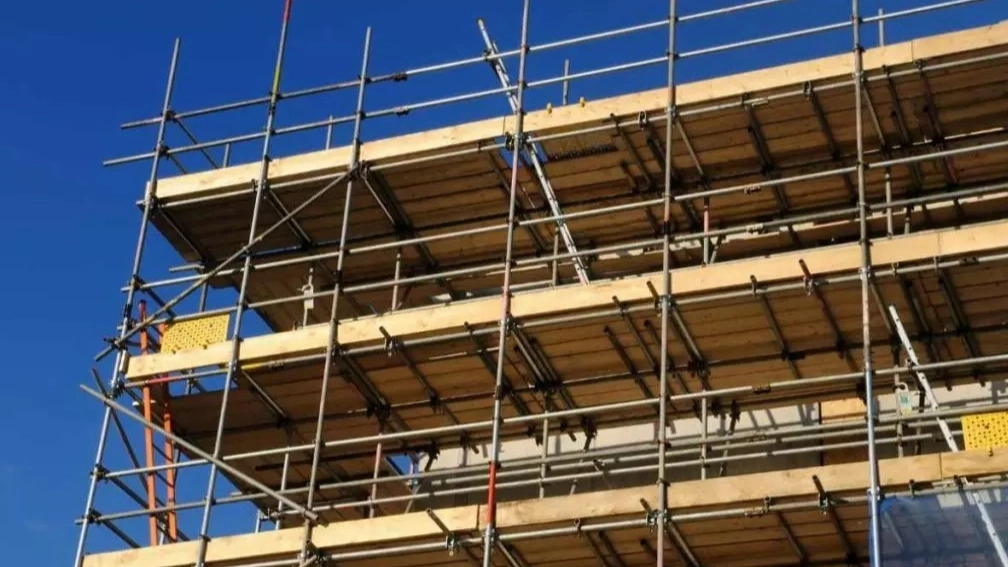
Scaffolding formwork is another type of formwork that has more than four legs. The use of this model increases the safety level of the operation. Also, this model is suitable for the work done on the roof and makes the facade stable.