
What are the benefits of casting?
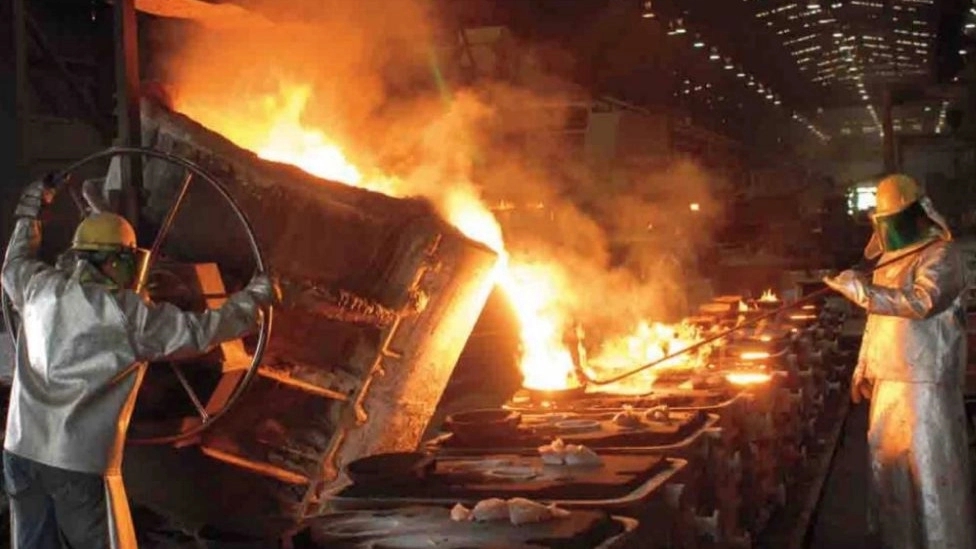
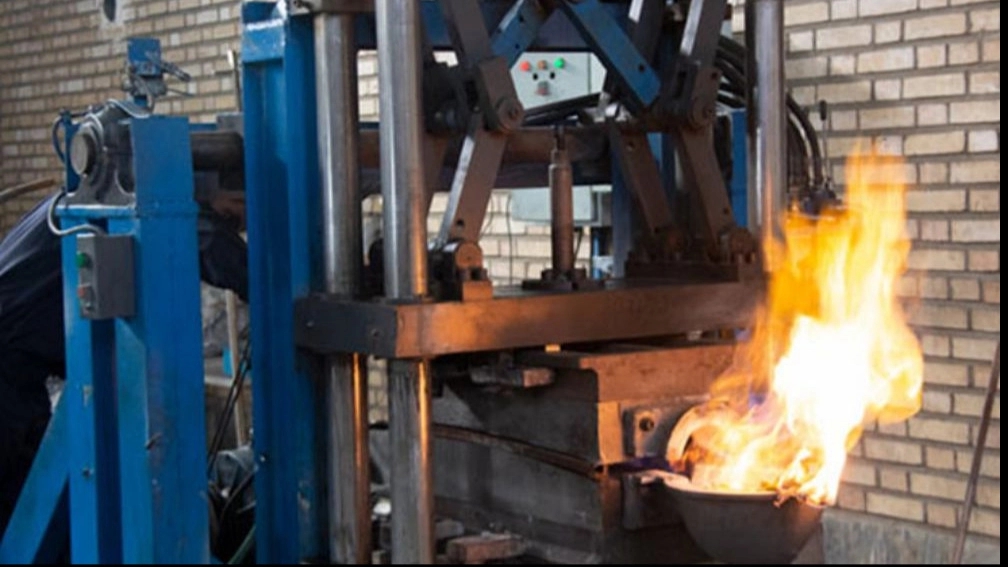
Beyond the emerging technologies that make metal casting at the forefront of the metal industry, the casting process has many inherent advantages that have long been accepted by design engineers and users of the metal sector. In terms of component design, die casting offers the most flexibility for any metal forming process. The casting process is ideal because it allows the formation of simple, complex, solid parts that are not possible in any other way. Its shape and size have been unique in terms of the main considerations in design. In this section, we will tell you the advantages of casting steel and metal parts:
1. Wide suitability of casting: casting process Metal is almost free of limitations in the size, thickness and shape of the casting, the thickness of the casting wall can be from 0.3 to 1000 mm, and its length varies from a few millimeters to ten meters. Also, in several types and quality, it can be from a few grams to more than 300 tons. The metal casting process is suitable for the production of complex shaped parts, especially with complex and difficult cavities such as complex boxes and consisting of many components, valves, aircraft and ship propellers, engine cylinders, etc.
< br> 2. Materials used in casting: Materials used in metal castings are widely available. Almost any material can be melted into liquid alloy, such as steel, all kinds of aluminum alloy, copper alloy, iron alloy, platinum alloy cast iron, etc. For those brittle alloy materials with low ductility (such as ordinary cast iron), casting is the only possible forming process. In industrial production, cast iron is the most widely used material and constitutes more than 70% of the total production.
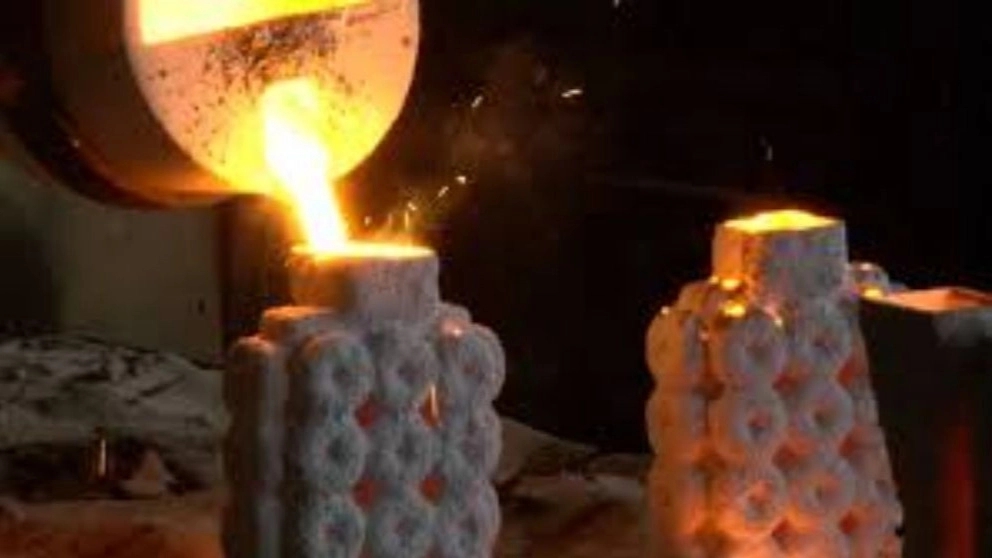
3. Metal castings have a certain accuracy in size: under normal conditions, metal castings have a more accurate size than normal forgings and welding parts.
4. Its low cost: the overall economic performance, energy, consumption of casting materials is less than other methods of metal formation.