
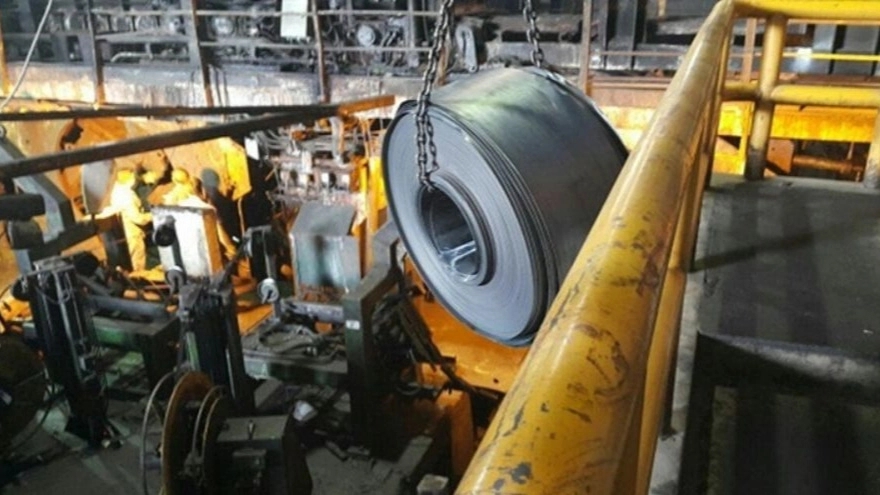
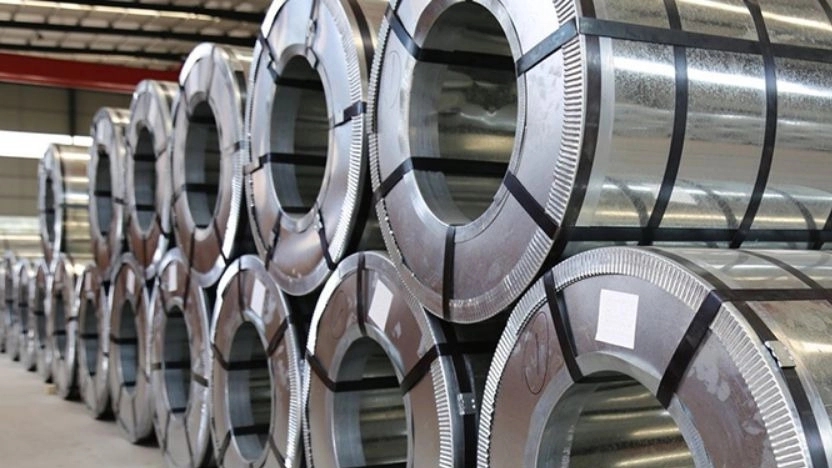


Some of the processes used in the steel sector can be easily understood from their names. For example, this acid washing sheet. When you hear the acid washing process, you can easily understand that in it, steel is washed with acid, and this is precisely what happens. In general, the acid washing process of iron sheet is called a process that is carried out after the production of hot sheet, in order to remove oxidations and carbon layers. Hydrogen (HCl) is immersed to completely remove all surface impurities.
It is interesting to know that the acid washing process is not only done for steel sheets, some other types of steel products such as tensile wires are also acid washed. Stretch wires are wires used for tensile applications. These wires must have a smooth and polished surface to increase their resistance to corrosion. Acid washing of tensile wires is done using hydrochloric acid or sulfuric acid. These acids react with iron oxide and other impurities on the surface of the wire and dissolve them into solution. The SAE 1006 and SAE 1008 grades of tensile wire used for tensile applications are usually acid washed. These wires have high yield strength and are used to make parts that must be subjected to tensile loads.
Sheet pickling is a chemical process used to remove iron oxide and other impurities formed on hot sheets. . This process is usually done after hot rolling the sheets. Iron oxide, also known as iron rust, is a chemical combination of iron and oxygen. This compound is formed by the reaction of iron with oxygen in the air. Iron oxide can be formed as thin or thick layers on the iron surface.
You may know iron oxide as iron rust, but there are at least 15 other known allotropes of iron oxide. Iron oxide is an ionic compound consisting of an Fe2+ or Fe3+ ion and an O2- ion. Ionic compounds can exist in different structures which are called allotropes. Different allotropes of iron oxide have different physical and chemical properties. Some of these allotropes are more stable than others. Some of the known allotropes of iron oxide are:
Hematite (Fe2O3): This allotrope is the most stable allotrope of iron oxide. Hematite is reddish-brown in color and is found in nature as an ore.
Magnetite (Fe3O4): This allotrope is also stable and has magnetic properties. Magnetite is black in color and is found in nature as an ore.
Limonite (FeO(OH)): This allotrope is yellow-brown in color and in nature as a rock. The mine is found.
Iron clay (Fe2O3.H2O): This allotrope is reddish-brown in color and is found in nature as soil.
Ferrite (FeO): This allotrope is not stable and easily reacts with acid. Ferrite is black in color and cannot be found as an ore in nature.
When steel is produced hot, at high recrystallization temperatures, oxygen reacts with the outer layer of iron and produces an oxide scale layer. This layer makes it difficult to work with steel and paint it. Sheet acid washing is done using hydrochloric acid, sulfuric acid, or hydrochloric acid. These acids react with iron oxide and dissolve it in the solution.
In the sheet acid washing process, steel sheets are first cleaned to remove any grease, oil, or other contamination. Then the sheets enter the acid bath. The length of time the sheets are placed in the acid bath depends on the type of acid used and the thickness of the sheet.
After finishing the acid washing process, the sheets are washed with water to remove the remaining acid from their surface. Acid washing of the sheet has various advantages, including improving the surface appearance of the sheet, facilitating the work with the sheet, increasing the ability to paint the sheet and increasing the resistance of the sheet against corrosion.
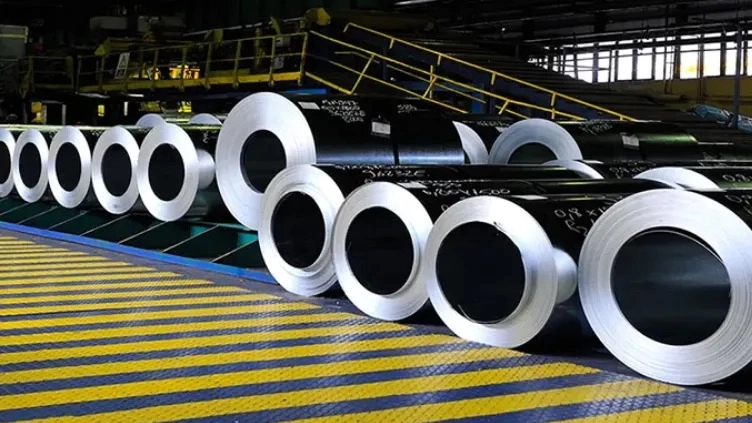
The steps of producing acid laundering are:
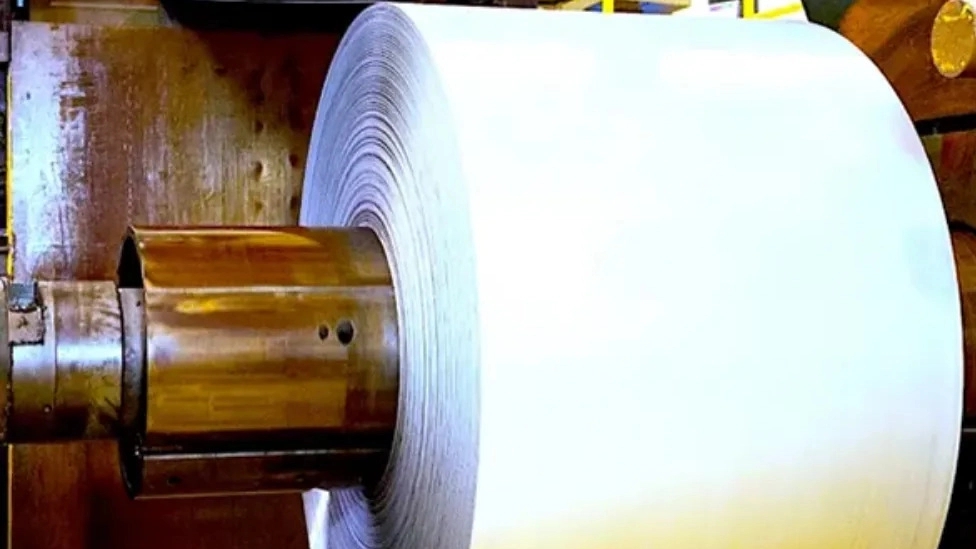
Sheet loading: At the start of this process, sheets are loaded onto the sheet conveyor. This carrier usually loads one or more rolls of sheet and transfers it to the beginning of the acid wash sheet production line. Unrolling: After the roll of black sheet is placed in front of the production line. The acid washing sheet, the sheet roll packing belt is opened and the sheet is restrained by hydraulic and automatic jacks. Sheet straightening: After the sheet roll is opened, the sheet passes through the straightening rollers. . These rollers bend and straighten the sheet alternately and at a controlled speed. This process makes any distortions and waves in the sheet completely disappear. The rollers used in this step do not apply as much force as the cold rolling rollers, but it is still considered a form of cold rolling. Flattening the sheet makes the sheet have a smooth and polished surface. This prepares the sheet for subsequent processes, such as cold rolling and painting.
Edging of the sheet: After the sheet has passed through the smoothing and wave breaker rollers, the sheet may have edges. These edges can be caused by bending the sheet in the straightening or corrugation process. The edge of the sheet is done by using edge gripping devices. These machines have rollers that alternately rotate the sheet and cut its edges. Edging the sheet makes the sheet have a smooth and polished surface. This prepares the sheet for subsequent processes, such as cold rolling and painting. The settings of the edging device should be such that the sheet is completely edged, but not damaged. In some cases, sheet edging is done as a separate step of the acid wash sheet production process. In this case, the sheet is edged after opening the coil and before passing through the smoothing rollers. Sheet washing: Sheet washing is done in two steps. The first step is preliminary washing. In this step, surface contamination of the sheet, such as dirt, grease, and other adhesions, is removed from the surface of the sheet using a detergent solution, usually containing sodium hydroxide. The second step is secondary washing. In this step, the sheet is washed with pure water to remove all traces of the detergent from its surface. Sheet washing makes the surface of the sheet ready for the acid washing process. In the sheet washing process, several factors must be considered, including the sheet type, sheet thickness, and detergent type. According to the above factors, the settings of sheet washing machines should be such that the sheet is completely washed, but not damaged.
Primary acid pickling: In this step, the sheet passes through tubs containing ferric chloride back and forth. This step continues until all the texture of the sheet is completely covered with this material. Ferric chloride is a chemical that reacts with iron oxide and dissolves it in solution. This makes the sheet completely clean of iron oxide and other impurities. Soaking in primary acid prepares the surface of the sheet for the acid washing process.
Acid washing: In this step, the sheet passes through baths containing hydrochloric acid or hydrogen chloride. Hydrochloric acid is a chemical that reacts with iron oxide and dissolves it in solution. It also reacts with rust and carbon layers on the steel surface and dissolves them in the solution. Acid washing is done until all the oxides and layers of rust and carbon are removed from the surface of the steel and the steel looks shiny. After the acid washing process is completed, the sheet is immediately washed with an alkaline chemical to remove the remaining acid from its surface. This will prevent the sheet from corrosion.
Drying the sheet: The step of drying the sheet is one of the most important steps in the production of acid washing sheet. At this stage, after the acid washing operation is done, all the moisture on the surface of the sheet should be removed so that the sheet is completely dry. This is done for two reasons: preventing sheet corrosion: moisture on the sheet can cause sheet corrosion. Therefore, it is necessary to dry the sheet to prevent its corrosion. Preparing the sheet for the next steps: The next steps of the sheet production, such as painting, are done on the dry sheet. Therefore, it is necessary to dry the sheet in order to perform these steps correctly. At this stage, after the acidic material and water on the sheet are completely removed through the discharge system, an air blowing system is activated on the sheet. This air blowing system completely removes the moisture on the sheet. The air blowing system usually consists of a series of powerful fans. These fans blow air with high pressure towards the sheet. This causes the moisture on the sheet to be separated from it in the form of tiny droplets and directed downwards. In some cases, other drying systems may also be used to dry the sheet. For example, thermal drying systems may be used. Thermal dryer systems use heat to remove moisture on the sheet. Choosing the type of drying system depends on several factors, including the type of sheet, the amount of moisture present on the sheet, and the drying speed required.
Oiling: The oiling stage is the last stage in the acid wash sheet production process. In this step, oil is applied to the surface of the sheet. At this stage, oil is applied to the sheet surface through hydrostatic lubrication equipment. Hydrostatic lubrication equipment pumps a reservoir of oil continuously at high pressure to the plate. This makes the oil spread evenly on the surface of the sheet. The type of oil used to lubricate the acid washing sheet is usually mineral oil. This oil has anti-corrosion properties and protects the sheet from corrosion. The amount of oil used to lubricate the acid washing sheet depends on various factors, including the type of sheet, the type of oil and the environmental conditions. Oiling the acid wash sheet is an important and necessary step in the production process of this type of sheet. This helps to maintain the quality of the sheet and prevent its corrosion.
Rewinding: At this stage, the acid-washed sheet is re-packaged as a reel. Acid washed sheet is usually produced in large sizes. Therefore, rolling the sheet increases the ease of its transportation and storage. Coiling the sheet also increases its protection against physical damage. At this stage, the acid-washed sheet is removed from the oiling machine and re-enters the coiling machine. The rewinder wraps the sheet into a roll and prepares it for transportation or storage. Finally, the acid-washed sheet, in the form of a roll, is ready to be supplied to the market.