
Parametric Design in Architecture
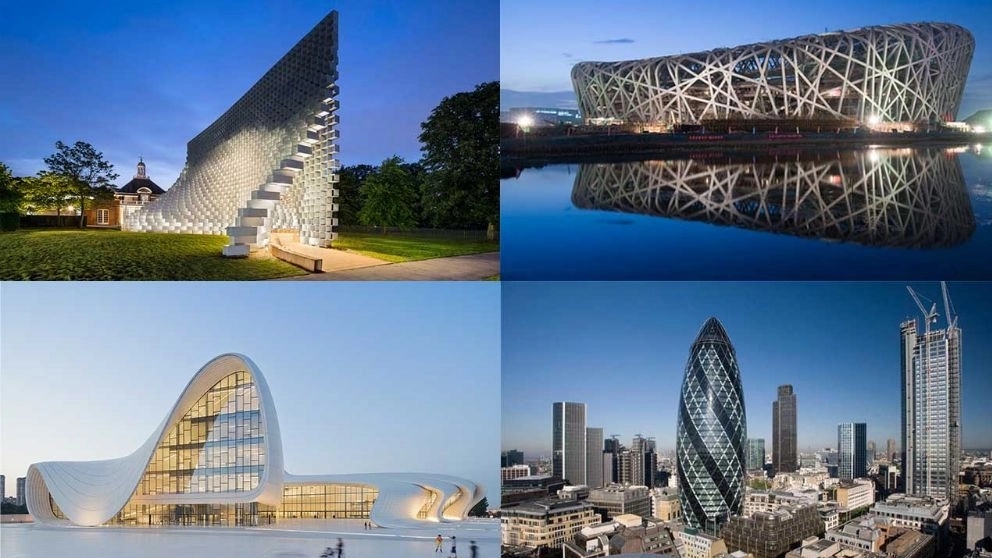
Parametric design is an approach used in designing and creating buildings and architectural forms. In this approach, parameters, variables and mathematical relations are used to determine and change the form and structure of architecture. Designers can precisely control the characteristics of the building by changing the parameters and get different results for review and evaluation.
Benefits of Parametric Architecture
☑️ Customization
The advantages of parametric architecture enable high levels of customization. With parametric design tools, architects can create unique designs that are tailored to specific site conditions, client needs, and project requirements.
☑️ Efficiency and flexibility
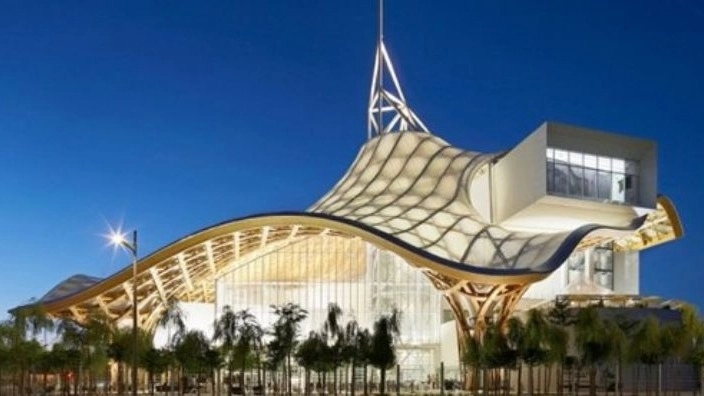
What is the efficiency of parametric architecture? The design process in parametric architecture is very efficient because designers can quickly adjust the design parameters and see the resulting changes in real time. In addition, automatic changes and elimination of calculations help to spend less time and effort. While there is a wide range of parameters for changes.
☑️ Stability
Parametric architecture supports sustainable design practices. Optimizing design for environmental factors such as sun orientation, wind patterns, and energy consumption is one of the most important skills required in architectural offices, and experts in this field have more chances to renew contracts in companies.
☑️ Innovation
☑️ Precision
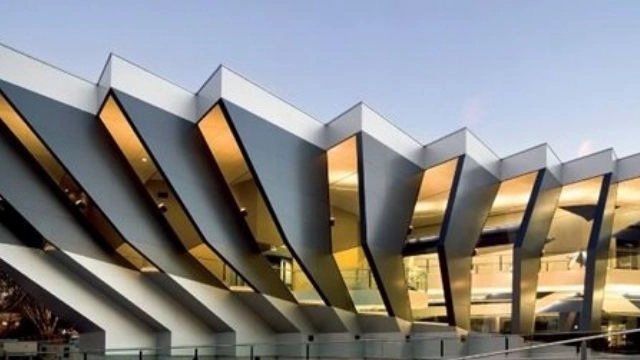
Parametric design tools have access to high levels of precision and accuracy. Automatic calculations and in-app rules help create more accurate architectural forms.
☑️ Affordable
One of the advantages of parametric architecture is the reduction of project costs. By automating the design and optimization processes, architects can create designs that are more efficient to build and require fewer materials and resources, which will ultimately lead to lower construction costs and a more affordable project.