

What is Reverse Engineering?
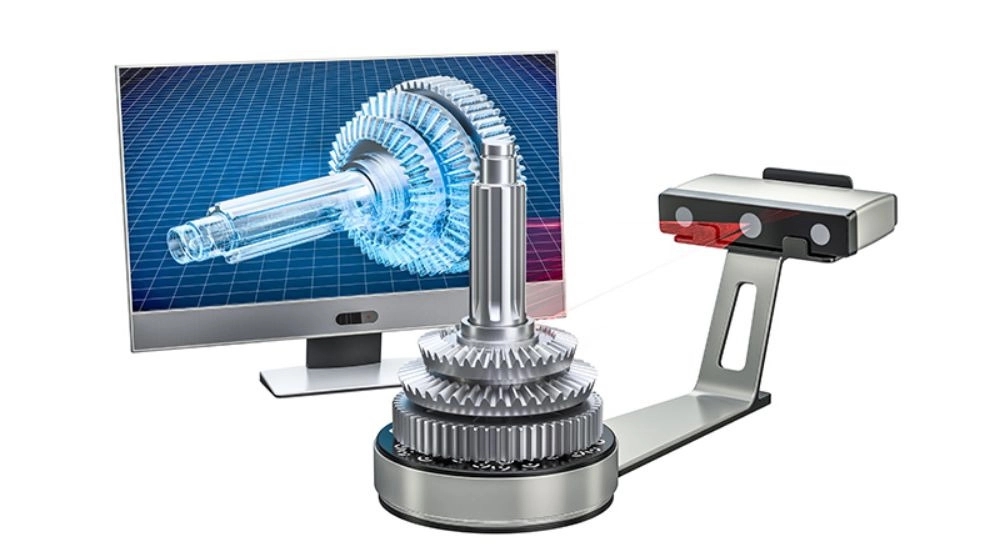
Engineering is a professional that designs, manufactures, manufactures, repairs, and maintains products, systems, and structures. In general, there are two types of engineering: forward engineering and reverse engineering. Forward engineering is the traditional process of moving from high-level abstract concepts and logical designs to physical implementation. It is a system. But in some cases, a physical part may exist while no technical details such as technical documentation and drawings, bill of materials (BOM) or engineering data such as thermal and electrical properties are available. The process of duplicating an existing part, subset, or product without the aid of drawings, documentation, or a computer model is known as reverse engineering.
Reverse engineering and the reasons for using it
🔹 Absence of the main manufacturer of the product at the present time (while a customer needs the product) They should be redesigned. For example, it is necessary to show which part of the product has excessive wear that needs to be improved. To strengthen the good features of a product for long-term use of the product To analyze the features The good and bad of competitors' products
🔹To discover new ways to improve product performance and features
🔹To gain competitive advantage through understanding and comparing competitor products and developing better products
🔹Main model CAD cannot be supported in today's new production methods. The original supplier is unable or unwilling to provide additional parts. The original equipment manufacturers are either unwilling or unable to provide replacement parts or They demand high costs for single-source parts. To update obsolete materials or old production processes with current and cheaper technologies.
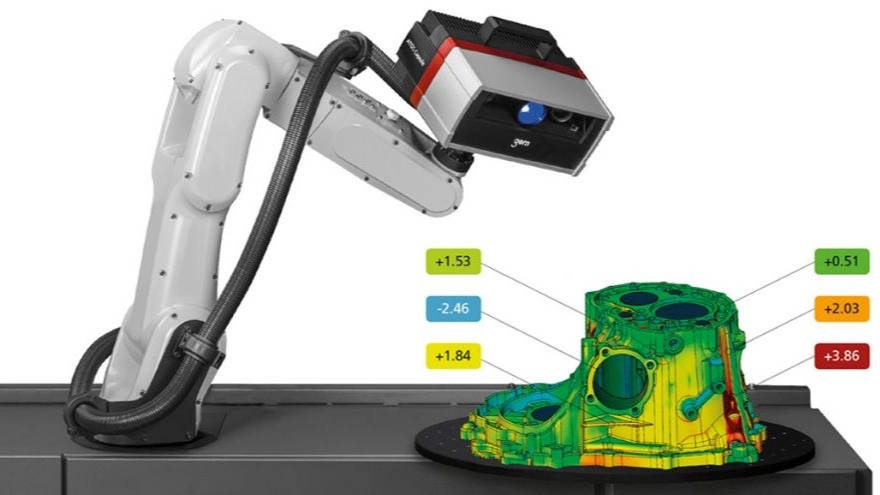
Reverse engineering enables the reproduction of an existing part by measuring the dimensions, characteristics and properties of its physical components. Before attempting reverse engineering, a well-planned life cycle analysis and cost-benefit analysis should be performed to justify reverse engineering projects. If the parts that want to be reverse engineered require a high amount of investment or are produced in large quantities; The reverse engineering process will save them money and will be cost-effective. Even if the reverse engineering of a part is not cost-effective, we may reverse engineer that part due to the critical need for that part in a system.