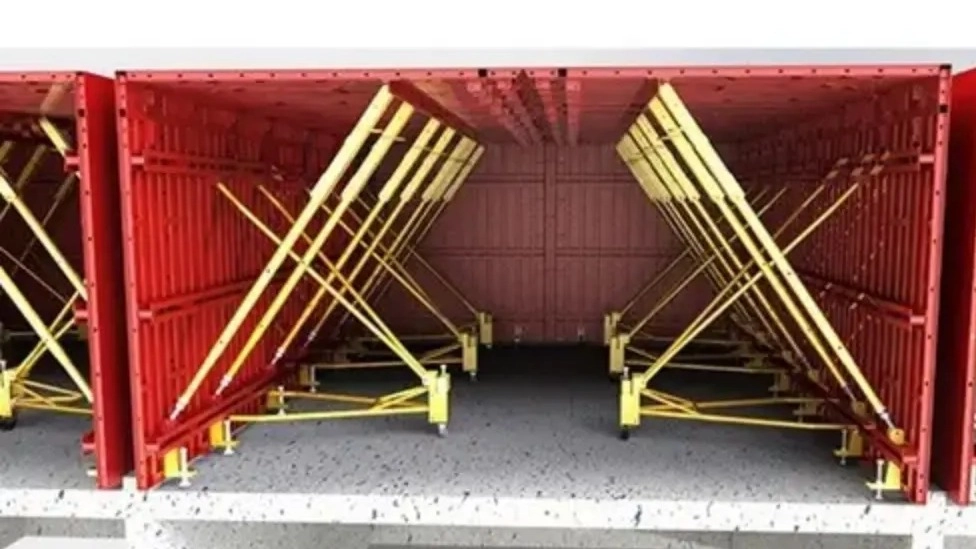
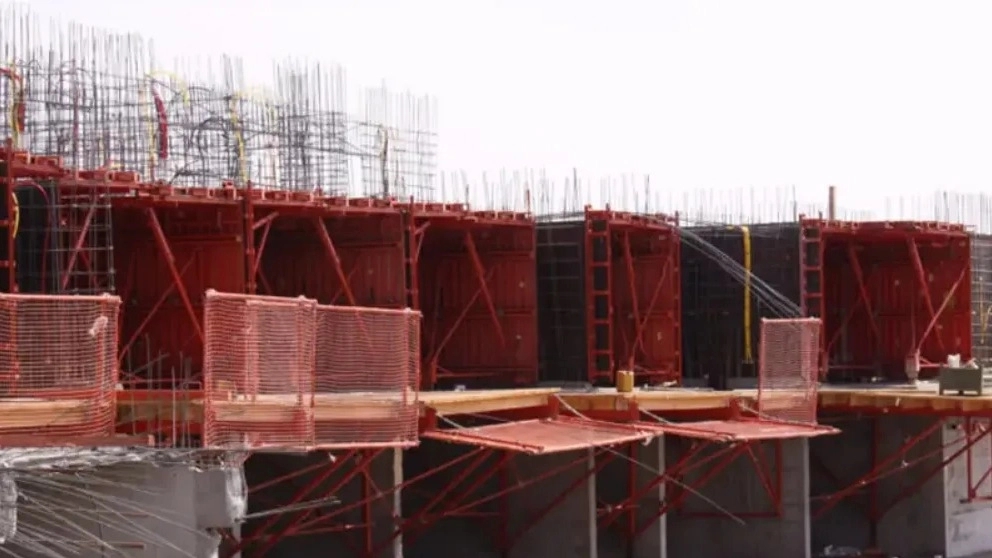


One of the types of molds that are used in various projects to build structures is tunnel form concrete mold. This type of mold is placed in the category of special concrete mold, and since it is possible to mold walls and ceilings in this type of concrete mold at the same time, it is very popular among the operators of construction projects and construction projects and tunnel construction. .
Using this template increases the speed of project execution and the reason is that it allows you to execute the roof and walls at the same time. Also, this format is compatible with most geographical conditions and it is possible to use it in all areas. But before ordering and using this type of mold in construction projects, it is better to familiarize yourself with the components of this concrete mold so that you can have a better understanding of the requirements of project implementation and concreting of the structure if this mold is used.
Form Tunnel Molding Components
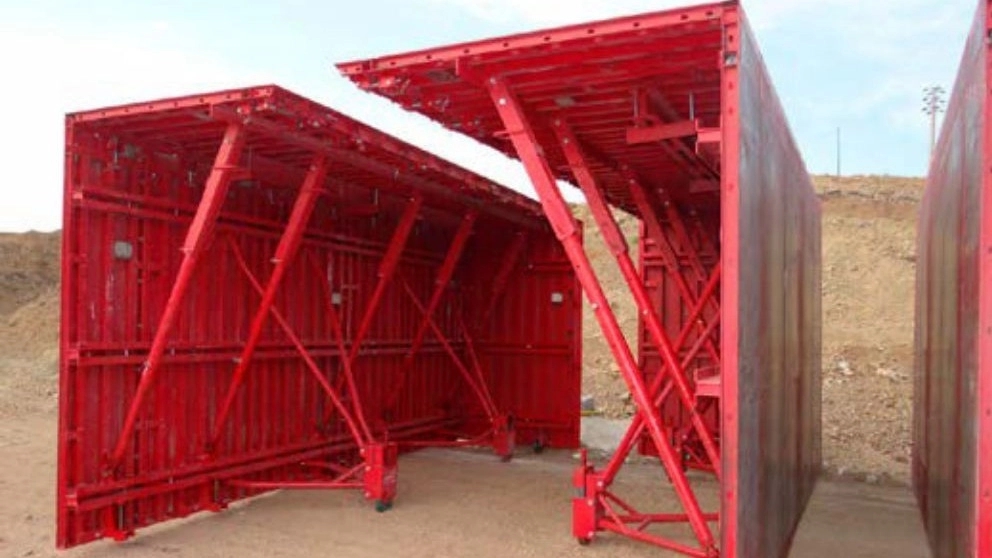
A form tunnel template is used to implement different parts of a structure. The components of the tunnel form template allow you to use this template optimally in the construction of your projects and to increase the speed of the construction work. These components include the following.
Terrace and Exterior Bracket
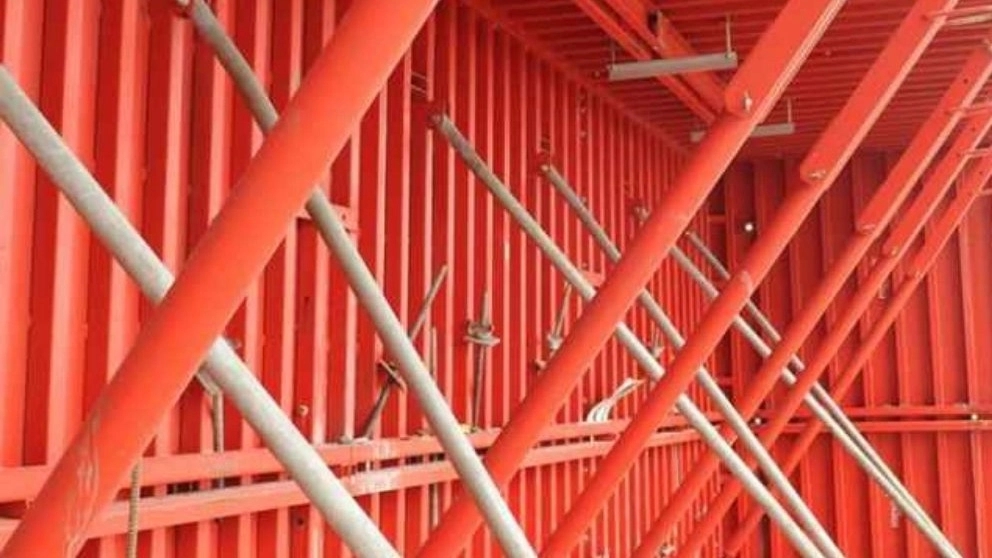
Brackets are used to create a support surface on the external surfaces of the structure, such as external shear walls and facades of buildings. This bracket is produced in a standard size of 120 x 120 cm. This part of the tunnel formwork makes it easier for you to adjust external shear walls and as corner braces.
Vertical Wall Molds
The large vertical panels (Side pannel) which provide the bed for concreting the walls, are composed of several smaller standard panels. These panels have the ability to connect to each other and are one of the main components of tunnel geometry in tunnel forms.
End wall molds
Another component of the tunnel mold is the end wall mold part. The vertical panels located at the end of the tunnel form are called back panels. This panel, like other panels, consists of smaller panels and can be connected to each other.
Ceiling Molds
One of the most important components of the tunnel form is the roof form part. The horizontal panels in the tunnel form system, which provide the concrete foundation for the roof, are called roof panels. These panels are supported by diagonal jacks below and can be adjusted to create a positive rise in the form.
Ceiling Limiting Molds
These parts, which are installed at the end of the roof panels and prevent the concrete from leaving the sides of the panel, are one of the components of the tunnel form concrete mold roof. The connections are installed on these panels.
Ramka
In order to guide the panels and place the panels correctly, according to the previous step, it is necessary to continue the concreting of each step up to a height higher than the ceiling in the walls. It is possible to create this section, which is called Ramka, by means of metal parts by placing them in line with the walls.
door openings, window, ceiling
The execution of openings in the structure is one of the requirements of the tunnel molding system. By placing metal coils inside the molds, the concrete moves in a restricted manner and openings are created. These openings can be the locations of doors, windows or elevator pits; Therefore, it is considered one of the vital parts and components of the tunnel form, and it is very important to pay attention to these components in important construction projects.
Equipment and Other Tunnel Form Form
Different equipments and connections are used in the form tunnel mold to connect together the size of the components of the form tunnel mold that we mentioned above. These equipments and connections eventually lead to the formation of the form tunnel concrete mold, which provide the possibility of creating the structure of the roof and the walls of the structure.
The connections used in the form tunnel molding system are common equipment such as bolts, nuts, intermediate bolts, diagonal jacks and wheels, crane connecting trusses, etc.
The use of these connections finally prepares a general template of the form tunnel and is used to increase the speed of project execution.