
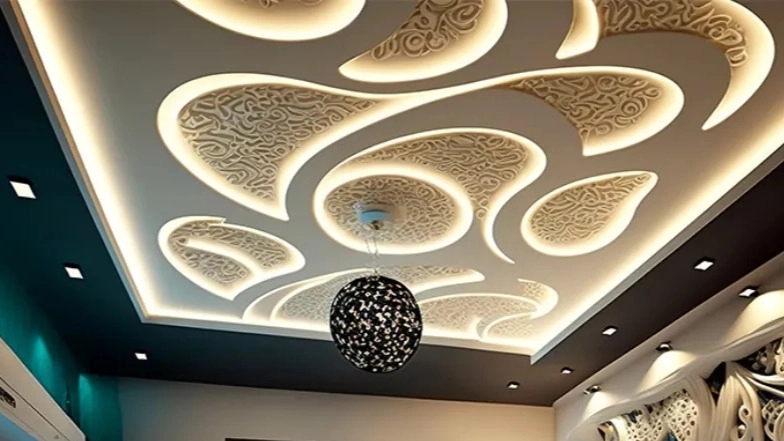
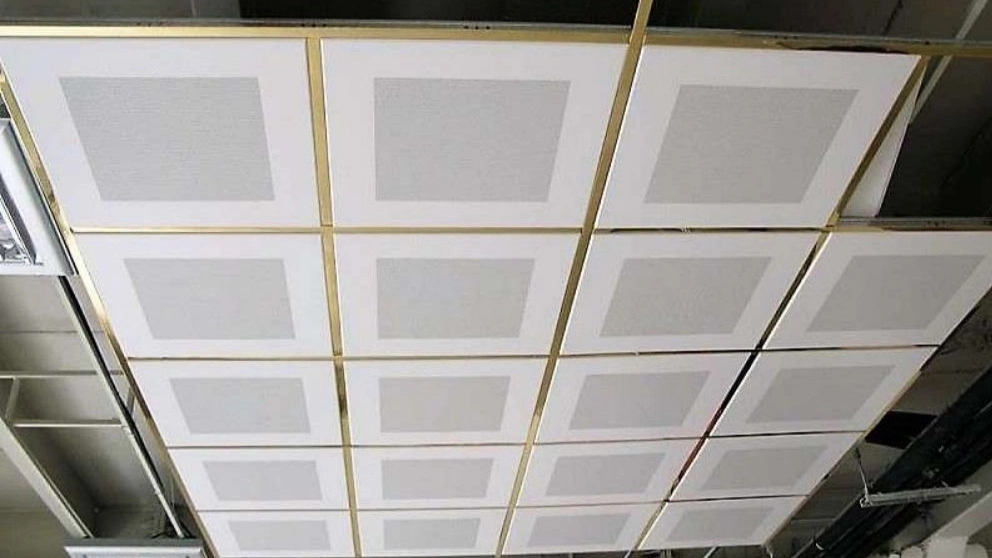
False ceiling is a secondary ceiling that is installed under the main (structural) ceiling. This type of roof is also known by other names, such as drop roof, T-bar roof, mesh roof, drop roof, sliding roof, tile roof, rabbits roof, and kenaf roof. The false ceiling is one of the basic elements in modern construction and architecture and is used in both residential and commercial sectors.
The benefits of using false ceiling
Using a false ceiling has several advantages, some of the most important of which are mentioned below:
Ability to move and low-cost reconstruction: False ceiling can be moved and the cost of its reconstruction It is less than the original ceiling.
Effective sound insulation: False ceiling installation is very effective in sound insulation, especially in crowded environments.
Hiding wiring and connections: By installing a false ceiling, you can hide the wiring and connections of the original ceiling and give a neat and clean look to the space.
Save energy: The false ceiling acts as thermal insulation. and it saves energy consumption.
Lighting and beautifying the space: Using false ceiling, you can perform different lighting and add to the beauty of the reception hall and other interior spaces.
Using a false ceiling is a practical and attractive solution in interior design, which can improve the efficiency and beauty of different spaces by taking advantage of its many advantages.
Types of false ceilings
Let's explain each of the types of false ceiling that you mentioned and check their characteristics and applications:
1. PVC panel false ceiling Characteristics: This type of false ceiling is made of polyvinyl chloride (PVC) panels, which is suitable for spaces such as bathrooms or workshops due to its resistance to moisture and water.
Applications: It is usually used in places that require easy cleaning and moisture resistance.
2. 60x60 false ceiling or PVC false ceiling Features: This type of false ceiling includes square tiles measuring 60x60 cm, which are usually produced in two types: plain and coated. > Applications: suitable for office, commercial and residential spaces that value the beauty and simplicity of installation. 3. Gypsum tile false ceiling
Features: This type of false ceiling is made of gypsum tiles that are produced in different types such as simple, egg and wicker. Applications: suitable for spaces residential and commercial who prefer traditional or classic design.
4. Virtual sky false ceiling
Characteristics: This type of false ceiling includes natural images of the sky along with false structures designed to create a more natural feeling in indoor spaces. Applications: mostly in spaces It is used for commercial and recreational purposes such as restaurants, hotels and conference halls. 5. CNC false ceiling (CNC)
Features: This type of false ceiling includes three-dimensional and beautiful structures of PVC or other materials that are made using CNC technology.
Applications: Suitable For spaces that need special decorations and more elegance, such as art rooms, theaters and art halls. 6. Elastic false ceiling
Features: This type of false ceiling includes the installation of elastics that can give a special effect to the space with proper lighting and various designs. Applications: It is mostly used in commercial spaces and ceremonies. which need stylish and attractive decorations.
This classification and brief explanations about each type of false ceiling can help you choose the best type of ceiling for your location needs and design taste. For more and more specialized information, you can refer to the articles and reference sources you mentioned.