

What are the characteristics of carcasses and what is its use in industry and construction?
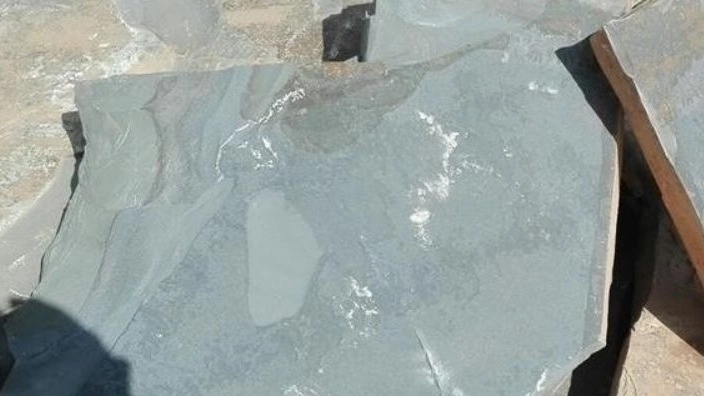
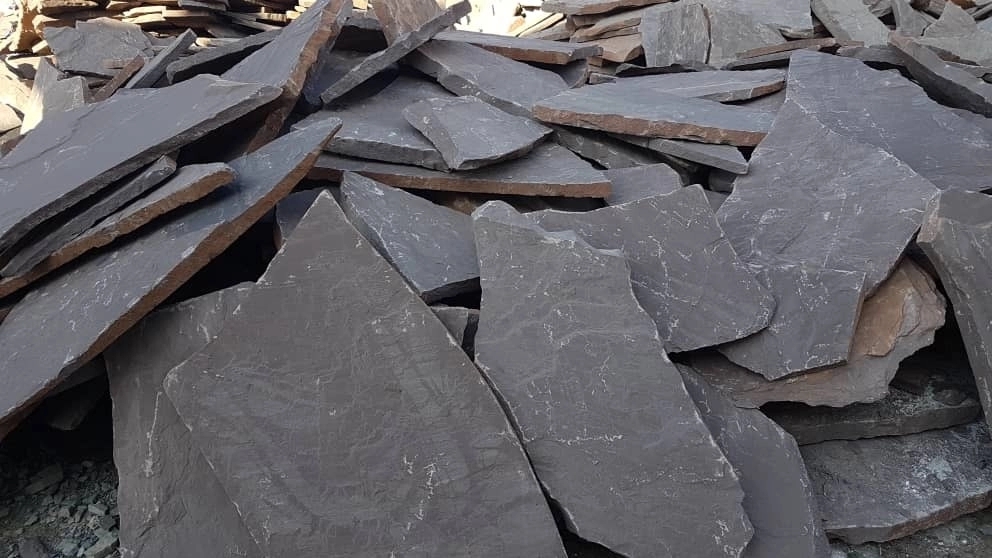
Rubble stone is a stone with an irregular appearance and the best option for use in the foundations of buildings and walls. The thickness of the rubble stone is about 5 cm and it comes in various shapes and sizes. These stones are ready to be used as they are extracted and with the least changes and only by breaking and adjusting the size and shape. These stones can be used in colors such as brown, yellow, green, red, blue and some other colors.
Important points about carcass stone include:
Stones that exist in the form of malons (with an irregular appearance) are usually among the carcass stones. In fact, fossil rocks are mineral rocks that include malon, sheet, volcanic, etc.
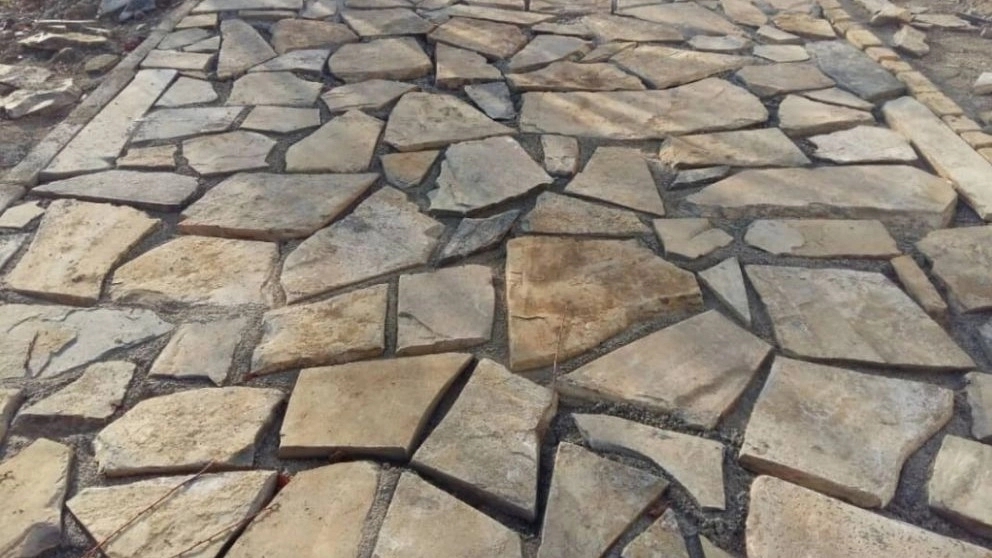
It is implemented in two ways: "banded" and "absorbing (scope)" for all types of floors and facades, fountains, fireplaces, etc. Quarries are close to the city and it is easy to extract suitable parts for consumption.
If the rock resistance is low, a large amount of scrap will be produced. Stones such as marl limestone with a low percentage of clay have less resistance than stone such as pure limestone and wear out soon. For use in buildings, a minimum compressive strength of 400 kg is required.
What is the use of carcasses?
Given that shale rock does not have separable minerals, its processing is not economical. Due to this characteristic of these stones, they are not decorative stones and are mostly used in industry. Also, these stones are used in foundations and walls, stone walls, road construction, etc. These stones have characteristics such as type, texture, weight and compressive strength.
What is the use of carcass stone in industry?
Carcass stone is not useful as a decorative stone and its use is mostly discussed in the industry. Carcass stone applications are used in the industry of making stone vessels, kettle heads, sculptures and stone pots, artistic artifacts, sculpture, stone powder and mosaic stone. It is used in insecticides, chemicals, paper making, and cosmetics.
The use of travertine carcass (calcium carbonate) in industry
The carcasses obtained from the extraction of travertine stone have various uses in the industry. For example, we can refer to the manufacture of various stone artifacts such as the manufacture of various stone vessels, kettle heads, sculptures. Its stone powder can be used in cosmetics, soap making, paper pulp, glass industry and insecticides. About 10% of the whole carcass is used and the rest is used. It is very appropriate to solve this problem and use the rest of the remains of the construction of a cement factory.
Application of Calcium Carbonate Carcasm in Cement Manufacturing
Cement is basically composed of chemicals including lime, silica and alumina. Calcium carbonate is very reactive and after forming with clay that has lost its water, it is calcined at 1500 degrees and forms aluminum silicate.