
Trucking crane
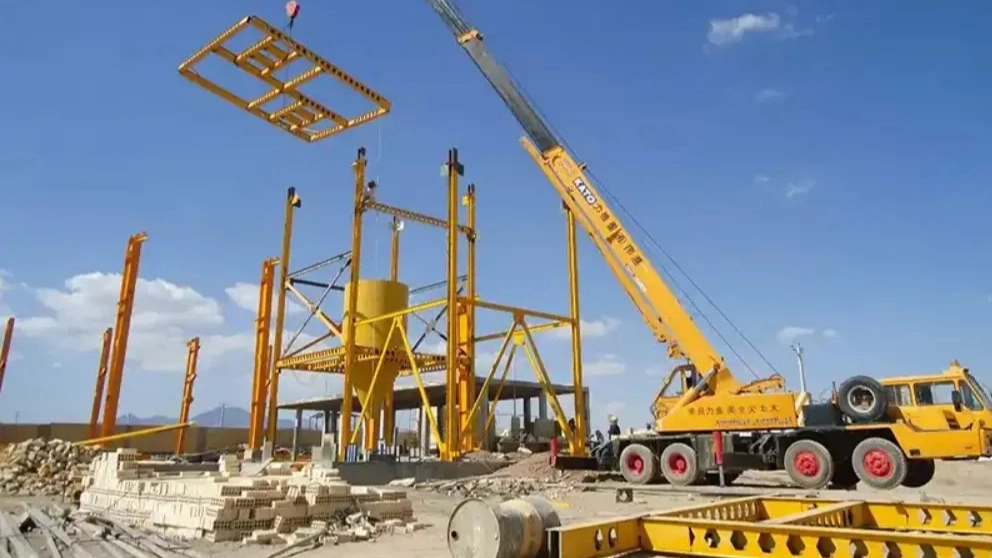
One of the most common workshop cranes is the truck crane, which consists of two parts, the carrier (truck) and the boom (arm), and because of its suitable dimensions, it travels easily on different roads and paths. Truck cranes are composed of counterweights and multiple legs for better load stabilization and control, and they can move heavy and plentiful materials in slow movements. Truck cranes are often used for inspection, repair, maintenance, and construction of bridges. /p>
Float or suspended crane
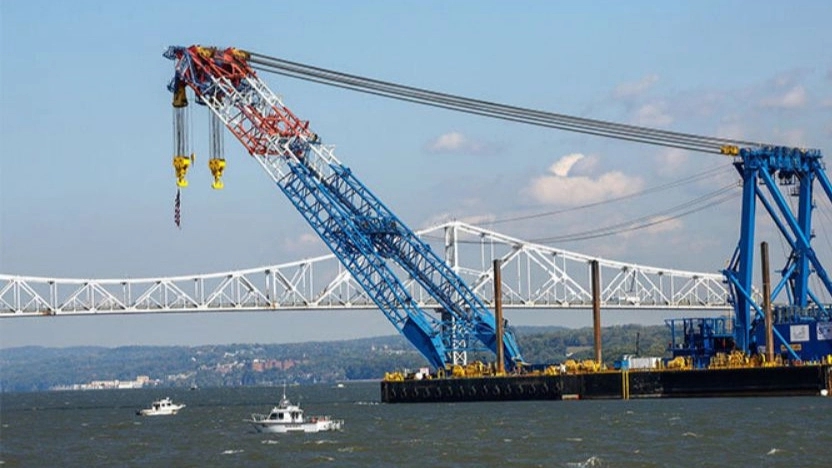
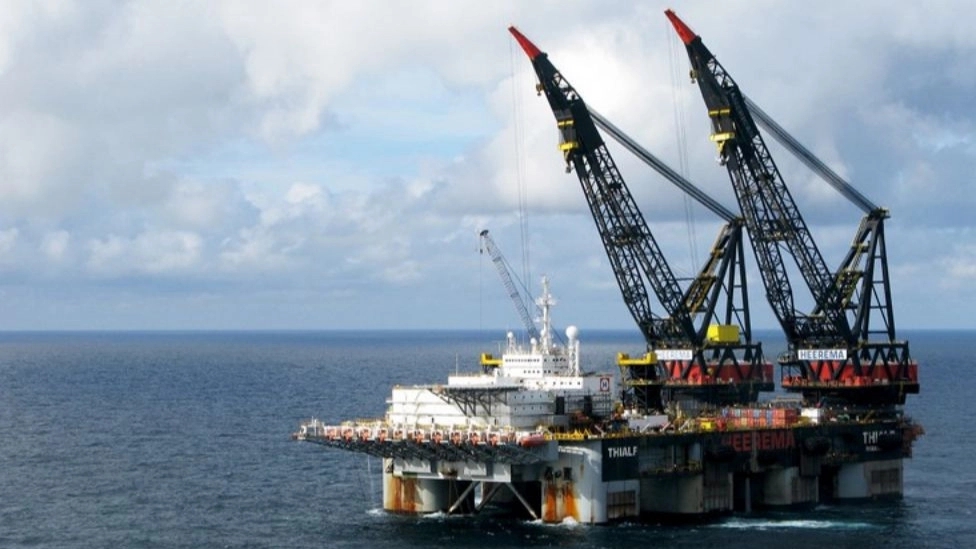
Another type of workshop crane is a floating crane, which is also known as a "crane ship" and is used in coastal and sea environments. The use of this type of crane is often in projects close to the sea, such as unloading and loading ships, building and repairing ports or oil platforms. It is not bad to know that these types of cranes have a long history and have been used in the ports of European countries since the 18th and 19th centuries. were used.
Crane carrying deck
The deck crane is an agile, compact crane with a compact design that can rotate a full 360 degrees and move easily on rough terrain. This device is called a deck crane because it has a small deck. Deck cranes are small and four-wheeled, and are easier to carry than other industrial cranes. They move construction materials in the project space without the need of other equipment and machines, and for this reason, they can be used as a complementary choice for larger projects.
Crawl
Crawler cranes are driven by chain wheels located at the bottom of the cabin. These cranes are very heavy and move very slowly. However, they can work well on uneven ground and even soft soil.
Crawler cranes are usually transported by back-breaking trolleys and are more expensive compared to other cranes due to their slower movement. However, their specific settings and unique performance make this crawler industrial crane a suitable choice for large and long-term projects.