
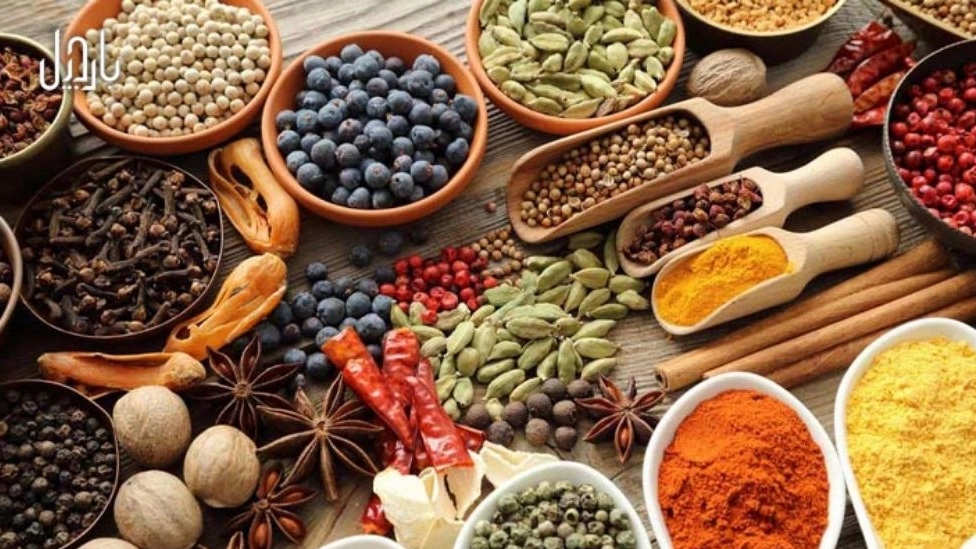


If we say that it is not possible to make a delicious dish without spices, we are not exaggerating. Even in the most ordinary dishes, you use turmeric and pepper, which are the simplest spices. Spices add flavor and aroma to foods and desserts. But apart from the taste, the properties of spices for the body should not be neglected. In fact, by using different types of spices, you will kill two birds with one stone, that is, you will eat delicious food and have a healthier body. Therefore, in this article, we are going to introduce the different types of spices and their properties in full. We talk about their use in food. We will also examine the combined spices for foods and pickles. Stay with Barjil magazine until the end of the article.
The types of spices and their application
Different parts of the plant, such as seeds, bark or roots, which are mainly used for flavor and color, are called spices. Because of the variety of herbs, there are so many spices in the world that it might be hard to count them. However, only some of them are in common use. In Iran, spices have been used for flavoring food and medicinal purposes for a long time. In this section, we introduce the most common spices and their properties.
1. Introducing turmeric spices
Turmeric is a plant from the ginger family and has yellow roots. The length of this plant is 1.5 meters and it has swollen hyacinth-shaped stems. The flowers of the turmeric plant are also yellowish green in color. Turmeric grows in tropical regions such as India, Iran and Thailand. Since ancient times, turmeric has been used as a spice and colorant in cooking. Due to its natural pigment, turmeric gives color to food and on the other hand, it makes your food fragrant and delicious. Creating color by turmeric can be used to some extent instead of saffron, however, it is not able to create its specific aroma.
But turmeric spice is not only used for its flavoring aspect, but also has many healing properties. For example, turmeric can help improve digestion, strengthen the immune system, reduce joint inflammation, maintain brain and heart health, and reduce the risk of certain diseases. Also, due to its anti-inflammatory properties, it is used locally on the body to prevent inflammation caused by fractures and bruises.
2. Cinnamon
Actually, cinnamon is a tree-like plant. When this plant reaches a certain maturity at the age of 2-3 years, it is cut 50 cm from the ground surface and new shoots emerge from its roots and dry after peeling off their skin. This is the cinnamon stick that we use in cooking.
The powder we call cinnamon spice is obtained by grinding this stick. As one of the essential spices of our food, cinnamon has found an important place in desserts and meat dishes in recent years. It is very hard to resist food cooked with cinnamon and its appetizing aroma. Cinnamon is used to flavor various dishes, especially stews, and has many uses in desserts and cakes.
In addition to its pleasant smell and aroma, cinnamon also has many minerals such as calcium, magnesium, potassium and iron. Cinnamon is very effective in balancing cholesterol, especially bad cholesterol. Also, due to its antioxidant properties, it can reduce the risk of heart diseases in the long run. Also, cinnamon, which is used in herbal teas for winter diseases, can soften the throat. To learn more about the benefits of this wonderful spice, read the article on the properties of cinnamon.
3. Saffron
4. Geller
Many people love winter and eating hot beans, even thinking about it brings the sweet smell of beans to life in our minds. In fact, this taste and aroma is more related to its spice, namely angelica. Angelica spice is made from an aromatic plant with the same name, and all parts of this useful plant can be used in the food and pharmaceutical industries. It gives a spicy taste and aromatic smell to the food. Since angelica has a warm character, it is used in dishes such as beans and lentil rice. Angelica is also used to flavor a variety of foods such as potatoes, soups, and stews. Soaking pomegranate seeds with this delicious spice is another use of angelica. It is interesting to know that these days you can see angelica in the production of all kinds of soaps, toothpastes and mouthwashes.
Despite the special taste and aroma of angelica, you should also know about its health benefits. Angelica has high antioxidant and anti-bloating properties. It is also used to enhance memory and increase happiness. Angelica has antiseptic properties and is very useful for eliminating stomach and intestinal microbes. In addition to being appetizing, angelica easily suppresses false appetite and can be useful for weight loss.
5. The spice of the money bieber
Red pepper has different types and is called by different names. One of them is Aleppo pepper or Pul Beber pepper, which is planted in Turkey and Syria and is used as a seasoning for various dishes. This pepper is a bit like a bell pepper and has a mild taste and a pleasant aroma. This spice can be considered a good substitute for paprika and red pepper. Note that you should not use this pepper too much, because too much of it will make the food spicy.
You can use this spice along with lemon juice and olive oil to flavor grilled chicken and meat, steak, as a salad dressing, boiled eggs, pasta, pasta, vegetable dishes, seafood and potato salad. do. In Syria, pul biber is used to flavor nuts. The taste of this pepper is reminiscent of the taste of cumin and fruit, and due to the salt and oil added in the drying process, it is slightly salty and greasy. In general, its spiciness is not annoying at all and everyone with different tastes can enjoy it.
Some of the most important properties of Bieber money are: helping to improve eyesight, strengthening the immune system, helping with intestinal disorders and better digestion of food, promoting health heart, improving body metabolism, weight loss, reducing inflammation, diabetes control, body detoxification and cough treatment.