
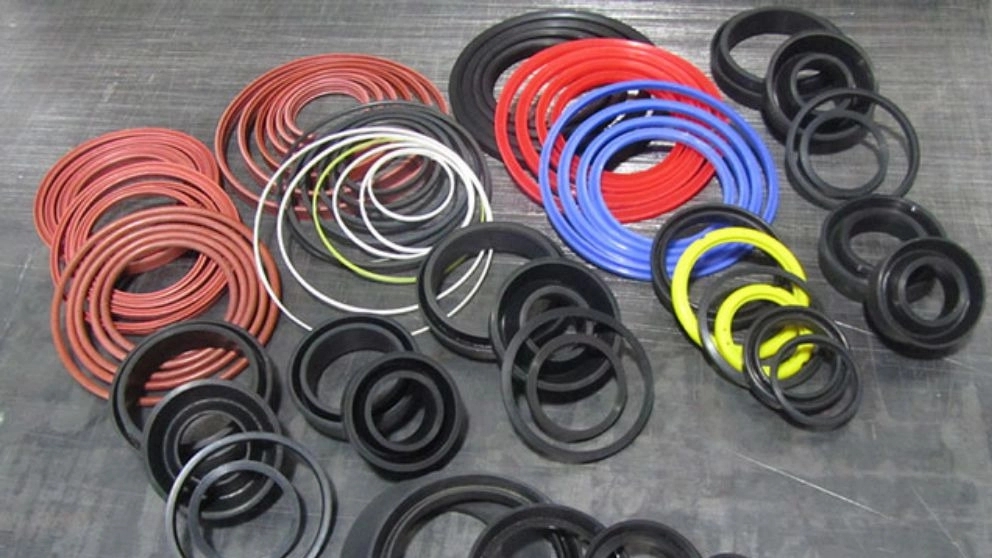
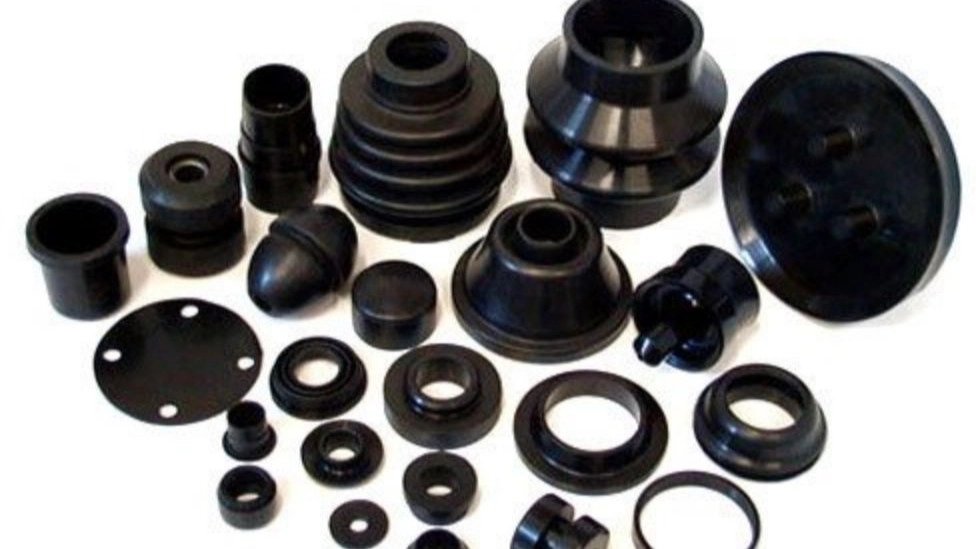


The use of silicone in the production of products is undeniable. If you look around, you will notice that most products like rubber parts are made of silicones. Silicone also has features such as beauty, high resistance, and reasonable price. These features have caused silicone to be used in various industries such as glass industry, building industry, automobile industry, cosmetics industry, etc. be used In this article, you will learn about silicone and its use in various industries.
What is Silicon?
Silicon is a chemical element in the periodic table with symbol Si and atomic number 14. This element is part of the tetracarbon group (a group of chemical elements that join in the form of carbon tetracarbon chains). Silicon is abundant in nature and exists as an important element in mineral structures, rocks and soils.
In industry and technology, silicon is widely used to produce electronic circuits and also as a main component in It is used in the production of microelectronic chips (silicon wafers). These chips form the basis of most electronic devices including computers, smart phones, televisions and digital devices.
Silicon is also used as an insulating material in the production of solar panels and in the glass and crystal industry. plays a role. The manufacturer of rubber parts uses silicone in its products.
Silicon is a chemical element in the periodic table with symbol Si and atomic number 14. This element is part of the tetracarbon group (a group of chemical elements that join in the form of carbon tetracarbon chains). Silicon is abundant in nature and exists as an important element in mineral structures, rocks and soils.
In industry and technology, silicon is widely used to produce electronic circuits and also as a main component in It is used in the production of microelectronic chips (silicon wafers). These chips form the basis of most electronic devices including computers, smart phones, televisions and digital devices.
Silicon is also used as an insulating material in the production of solar panels and in the glass and crystal industry. plays a role. The manufacturer of rubber parts uses silicone in its products.

Silicon application in electronic industries
Silicon is a chemical element that is used as the main material in the production of microchips and electronic components. In the electronics industry, silicon is used as a semiconductor. These uses include:
Transistors: Silicon is used as the main material in the production of transistors, which are key components in electronic circuits. Transistors are used to amplify and control electric current in electronic circuits.
Microprocessors: Silicon is used as the main material in the production of microprocessors. Microprocessors are the heart of computers and electronic devices such as cell phones and televisions.
Semiconductor memories: Memories such as flash memories are made of silicon. These memories are used for storing and retrieving information in different devices. Sensors: Silicon is used in the production of various sensors such as temperature, pressure, humidity sensors, etc. and in many devices and systems. They are used as sensing units.
Solar panels: Silicon is also used in the production of solar panels. Solar cells, which convert sunlight into electrical energy, are made of silicon.
Flexible electronics: Silicon is also used in research to produce flexible and flexible electronic components.< br>
In general, silicon is used as a key material in electronic technologies to produce small, fast, and powerful components.
Silicon application in glass industry
As we said, silicone is used in rubber parts. Also, silicon has very important applications in the glass industry. This element is used as an important additive in glass production processes. For example:
Increased heat resistance: Silicone gives glass more heat resistance, which is used in the production of heat-resistant glass, such as glass used in furnaces or boilers. Industrial.
Decreasing thermal expansion: Adding silicon to glass reduces its thermal expansion, which is also used in the production of glass resistant to thermal changes.
Increasing mechanical resistance: Silicone increases the mechanical resistance of glass, and as a result, glasses with higher resistance to impact and pressure are produced.
Control of cracks and breaking: Adding silicone to glass can help control cracks and crack propagation during the manufacturing process and prevent glass from breaking.
Transparency and semi-conductivity: Silicon can increase transparency and Semiconductor glass helps, which is sometimes used to produce electronic glass or displays.
In general, silicon improves the performance and various applications in various glass industries by increasing the thermal, mechanical and chemical properties of glass. it has an important role.