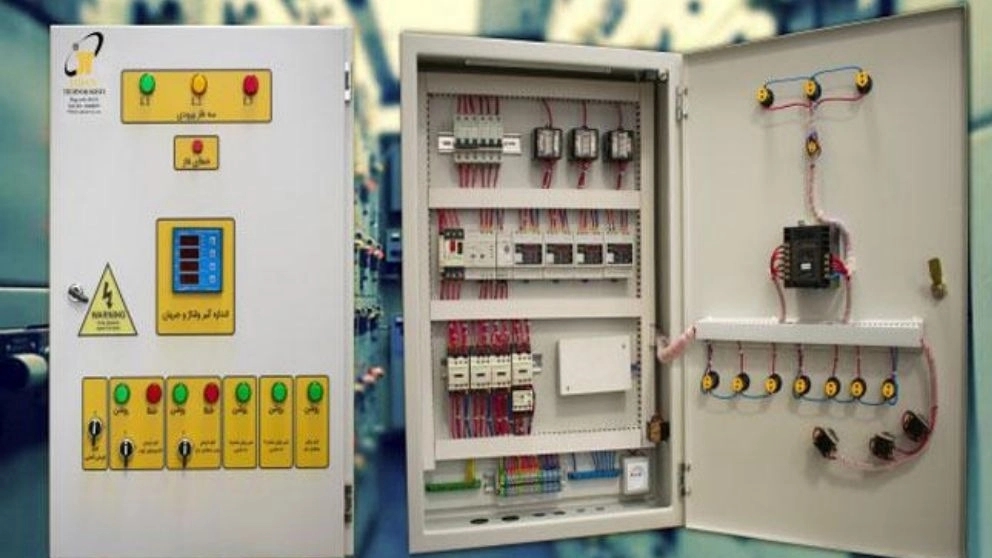
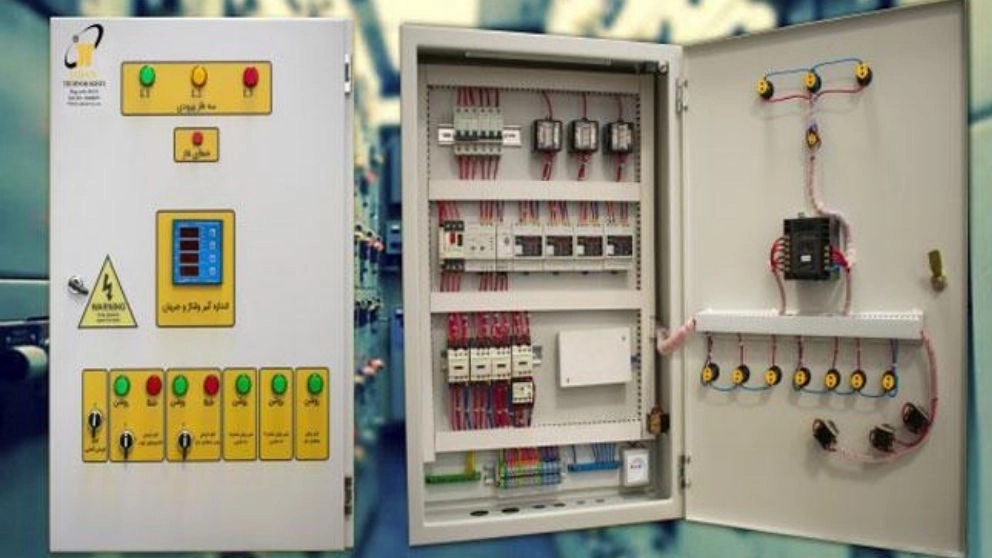


Differences of Home and Industrial Electricity
Household electricity and industrial electricity are different in many aspects. Household electricity is used to meet the daily needs of households such as lighting, heating, cooling and other household facilities, and in the operation of household electricity, a lower voltage (usually 220 V) and a frequency of 50 or 60 Hz are used.
On the other hand, industrial electricity is used to supply energy to machinery, industrial equipment, production lines and other industrial systems. Therefore, industrial electricity is generally used in three-phase system and higher voltage (usually 380 and 400 volts) and frequency of 50 Hz. In addition, industrial electricity is designed for larger and more complex load needs, and household electricity is mainly used for smaller household needs.
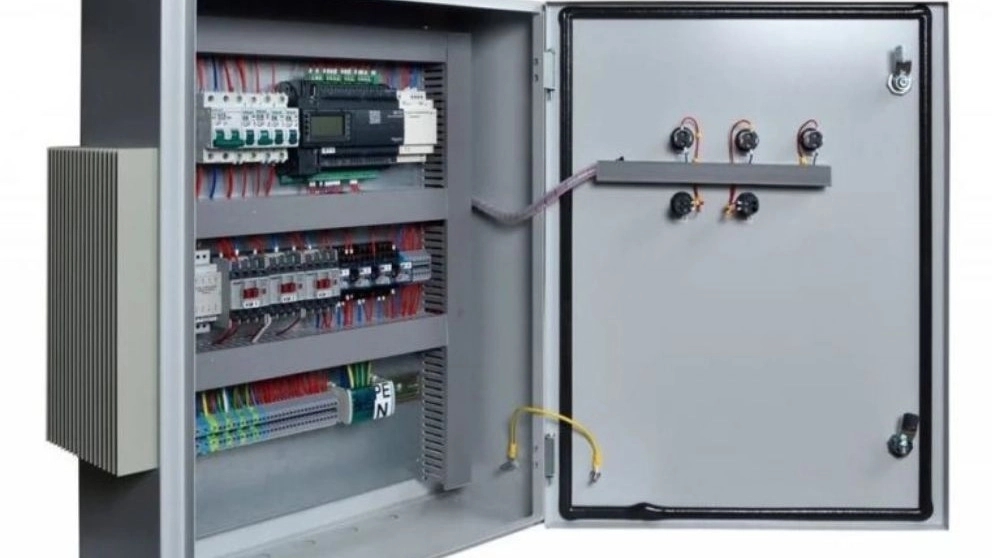
Industrial Electric Panel Features
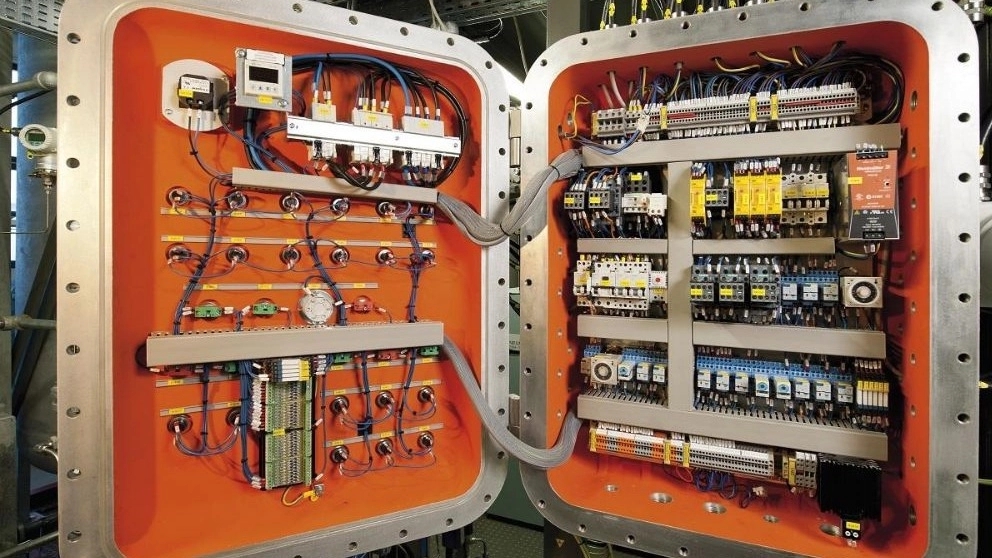
Industrial electrical switchboard is a compartment where the equipment and parts related to the electrical control of a space are kept. These signs are used in various industries including factories, workshops, and commercial and residential buildings. Also, this type of electrical panel has special features that distinguish it from household electrical panels, which include: High capacity: industrial switchboards are designed to manage complex electrical systems in high-load industrial environments. They must be able to withstand large currents and voltages. Stability and performance in harsh conditions: industrial electrical panels must be able to function in harsh and variable environmental conditions. This includes high or low temperature, humidity, shock and vibration. Security and protection: Due to the high importance of industrial electrical systems, industrial electrical panels must have appropriate protective features to avoid risks caused by incorrect connections or power loss. Flexibility in control: Industrial switchboards are designed to control and manage diverse and complex equipment in various industries. They should have flexible control capabilities to meet different industrial needs. Monitoring and tracking capability: Industrial switchboards often have monitoring and tracking systems that collect and display information on equipment performance and energy consumption. Industrial standards: Industrial switchboards must be compatible with specific standards of the electrical industry to ensure their safe and reliable operation. In general, industrial switchboards are essential factors in industrial environments that are used for the safe and optimal management of electrical equipment and have special features that are adjusted based on the different needs of all types of industrial environments; Therefore, it is better to consult with experts before buying an industrial switchboard to choose the right model for the intended purpose and industrial consumption.
Home Power Panel Features
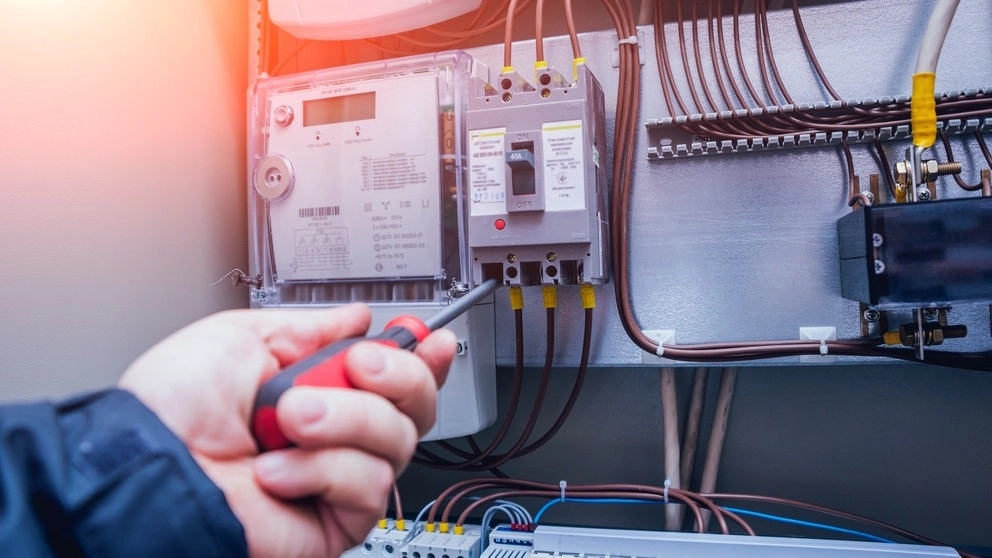
Household electrical panel is a compartment where equipment and parts related to electrical control of a residential building are kept. These panels are responsible for distributing electricity to different circuits of the building and protect people and equipment from the dangers of electric shock and short circuit. This type of electrical panel has important features that help the safety and proper operation of the home electrical system, and some of these features are:
Protection: A home electrical panel must have various protections to protect against hazards such as electric shock, short circuit, and overload.
Easy access: The electrical panel should be easily accessible so that in case of a problem, users can quickly turn off the electricity.
Labeling: All the circuits and parts of the panel should be identified with appropriate labels so that users can identify them without any problems if they need to be repaired or replaced.
Load balance: The switchboard must have the ability to manage the load to prevent overload and voltage drop.
Compliance with standards: The electrical panel must comply with the standards related to installation and electrical safety.
Identification of problems: equipment to identify some problems such as ammeters and voltmeters should be available in the electrical panel.
Expandability: The switchboard should be able to expand and add new circuits to match the changing needs of the house.
Correct installation: The switchboard must be installed by a skilled technician to avoid problems caused by improper installation.
Note that household electricity needs depend on the size and type of electrical system in the house, so it is better to consult with an electrical expert to buy a smart building electrical panel.
What is the most important difference between home and industrial electrical panels?
Home and industrial switchboards have important differences that help determine their type and use, and the important differences between the two include the following:
Electricity consumption: Household switchboards are designed to meet household electricity needs such as lighting, heating, home electronic systems, etc., while industrial switchboards are usually used to meet more complex and larger needs in industries and factories.
Power: The industrial switchboard must be capable of handling much more power in order to supply industrial machinery, heavy equipment, and complex systems, but the power of the home switchboard is usually less.
Protection: Industrial switchboard should have additional protections for things like short circuit, electrocution, and electric shock for workers in industrial environment.
Complexity: Industrial switchboards are generally more complex and have more control and monitoring equipment to properly manage industrial equipment, while home switchboards simply cover household needs.
Standards: Industrial switchboards must comply with specific industrial standards, while household switchboards are related to common electrical standards.
Installation and maintenance: Installation and maintenance of industrial switchboards require specialized knowledge and experience and should be done by a skilled technician, while home switchboards are easier to install and maintain than industrial switchboards.
Price: It should be noted that by looking at the price list of household and industrial electrical panels, you will notice that these two types of this product have very different price ranges, which of course, this difference is not far from mind!
In general, the main difference between household and industrial switchboards is in their power consumption, complexity, and user needs.