
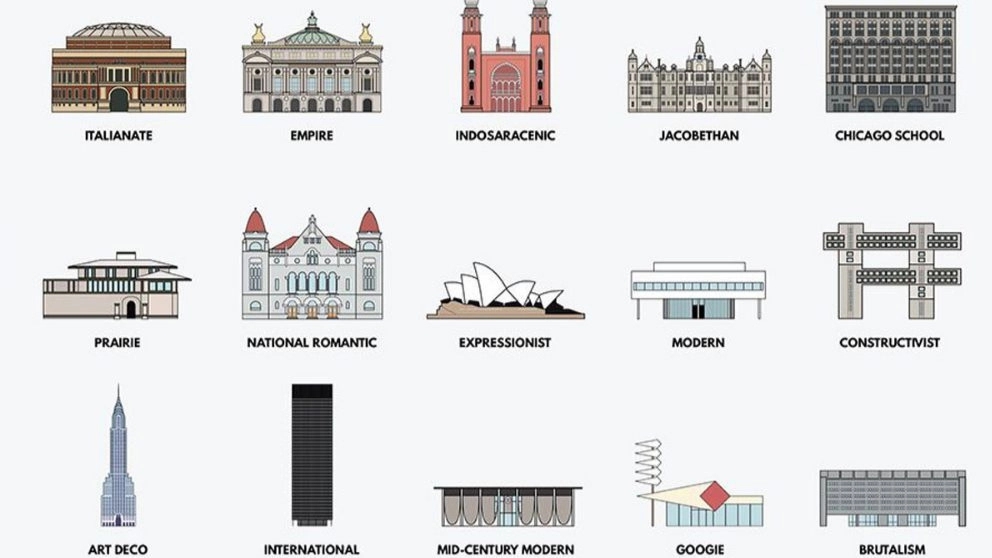
Familiarity with various architectural styles and the history of world architecture will introduce you to various attitudes towards architecture. By studying various architectural styles, you get to know the philosophy behind the buildings; Important concepts such as functionalism in modern architecture and context-oriented and sustainable architecture.
An abstract of the culture and art of past historical periods, which have been remembered for us in the form of historical buildings. By studying each architectural style, you have access to the construction technology and life culture of each region in a certain historical period.
Native Architecture Style (Vernacular Architecture)
In early societies, the first buildings were not built by architects, but by ordinary people and local communities. This type of architecture, which was later known as native or primitive style, represented the values of local communities and was built with local materials.
Native architecture is very diverse and includes construction techniques that have been formed over time and Passed down from generation to generation, native buildings are self-sufficient and are made using natural materials available in the region, such as stone, clay, wood, skin and bone, and have the best climatic compatibility.

In a warm climate, they build buildings by the river, and in a cold climate, they make living space from inside the rock. In hot climates, buildings are open and shaded, and in cold climates, buildings are closed and insulated.
New styles of architecture such as sustainable architecture and context-oriented architecture seek to use the simple methods of native buildings to create environmental comfort in buildings. .
Egyptian Architecture Style (Egyptian Architecture)
The history of civilization and urbanization in Egypt reaches three thousand years ago, and it was from that time that the special features of the ancient Egyptian architectural style were formed. The Egyptians were masters in the production of hard bricks and made the best use of the clay of the Nile River Delta.

Egyptian architecture is very diverse and includes small brick structures to triangular pyramids. The culture and climate of Egypt had the best conditions for the construction of huge and form-oriented (monumental) structures. Egyptian architecture has been an influential and inspiring source in the formation of many new architectural styles.
Greek Architecture Style (Greek Architecture)
The Greek architectural style is one of the most important western architectural styles that is still alive and has a great impact on the design of public and urban buildings. Still, city libraries and museums are modeled after Greek temples in order to emphasize their glory and importance.

Greek buildings were among the first human structures that used a large wooden and stone beam and column system and tried to implement the best proportions and harmony in building components, including plans, facades, and decorations. With the progress of the Greek architectural style, the buildings of this style were divided into three categories, Doric, Ionic and Corinthian, in terms of proportions and decorations.
Roman Architecture Style (Roman Architecture)
Roman architecture was a continuation of Greek architecture, which gradually achieved many structural improvements. Structural elements such as arches, vaults and domes and new materials such as concrete were introduced to Western architecture from the height of Roman civilization.

Using the high bearing power of arched structures allowed Roman architects to build huge buildings such as the Colosseum in Rome. Famous Roman buildings were built with brick and concrete and covered with beautiful mosaic tiles.
Byzantine or Eastern Roman architectural style was an extension of Roman architecture in the eastern part of the Roman Empire, centered on the current city of Istanbul. The Romanesque style was a combination of Mediterranean traditions and Greek and Christian culture with modern Roman construction methods.