


Gothic architecture is an important and influential period in European architecture. The Gothic style was prevalent in European architecture from the 12th to the 16th century and brought the religious architecture of the church to the utmost beauty and elegance. The Gothic period had a tremendous impact on all arts including painting, sculpture, architecture and furniture design. To such an extent that even today we can see elements of Gothic architecture in many contemporary designs.
Gothic architecture is an important and influential period in European architecture. The Gothic style was prevalent in European architecture from the 12th to the 16th century and brought the religious architecture of the church to the utmost beauty and elegance. The Gothic period had a tremendous impact on all arts including painting, sculpture, architecture and furniture design. To such an extent that even today we can see elements of Gothic architecture in many contemporary designs.
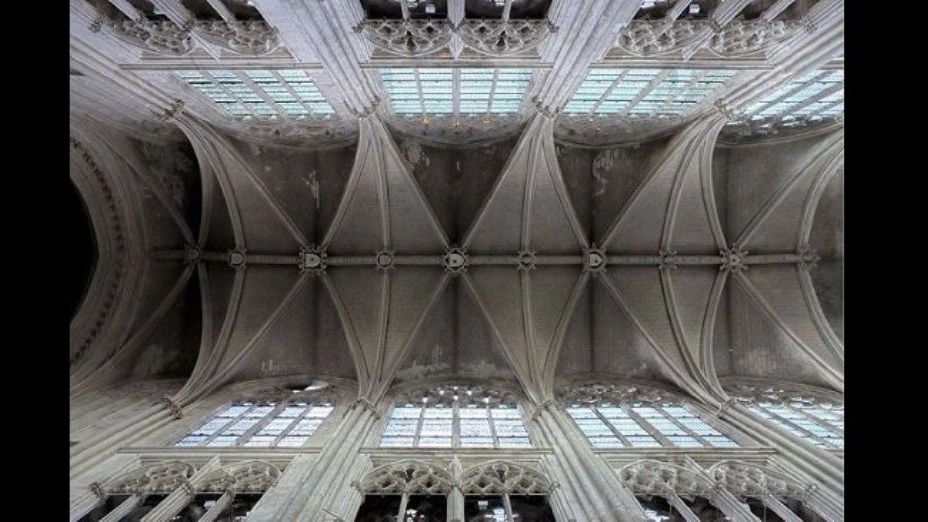
With the advancement of engineering and the invention of new solutions to transfer the load of the building in the 12th and 13th centuries, the Gothic style was born. The use of pointed arches, diagonal ribbed vaults and suspended backs in Gothic architecture made it possible to build churches with more area and height. Large windows with colorful colored glass are another feature of Gothic architecture. The presence of large windows in Gothic churches was made possible thanks to structural progress, as thick monolithic walls were no longer needed to support the weight of the roof. It is the existence of these wide colored glass that has turned the interior of Gothic churches into a beautiful manifestation of light and color.
Many Gothic buildings are stone, although in some countries, such as Italy, brick and marble were used in the construction of Gothic churches. The popularity of Gothic style in medieval European architecture continued for several centuries and with the spread of Renaissance architecture in France, Italy and other parts of Europe, the popularity of Gothic architecture decreased. In the following, we will learn more about the characteristics and terms of Gothic architecture.
Gothic style characteristics
Windows with colored glass (Stained Glass)
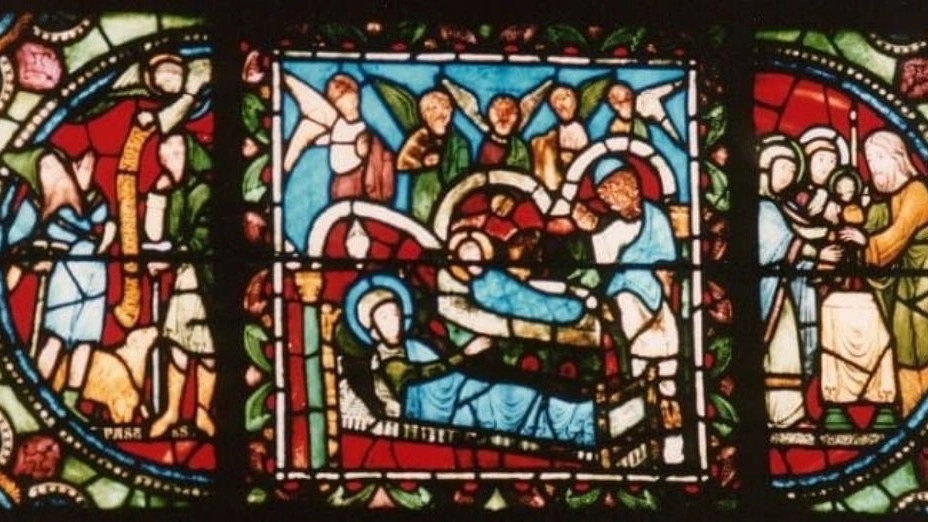
Windows filled with pieces of colored glass that artistically express paintings of Christian stories is one of the beauties of Gothic architecture. The existence of several windows with a high height and a sharp arch (Lancet Window) is one of the characteristics of the facade of the Gothic churches. In the advanced Gothic style, the large circular window called the Rose Window became the prominent element of the facade.
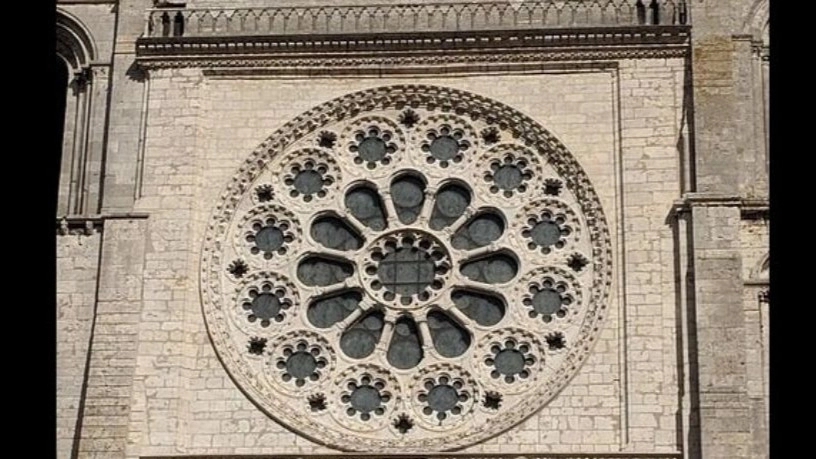
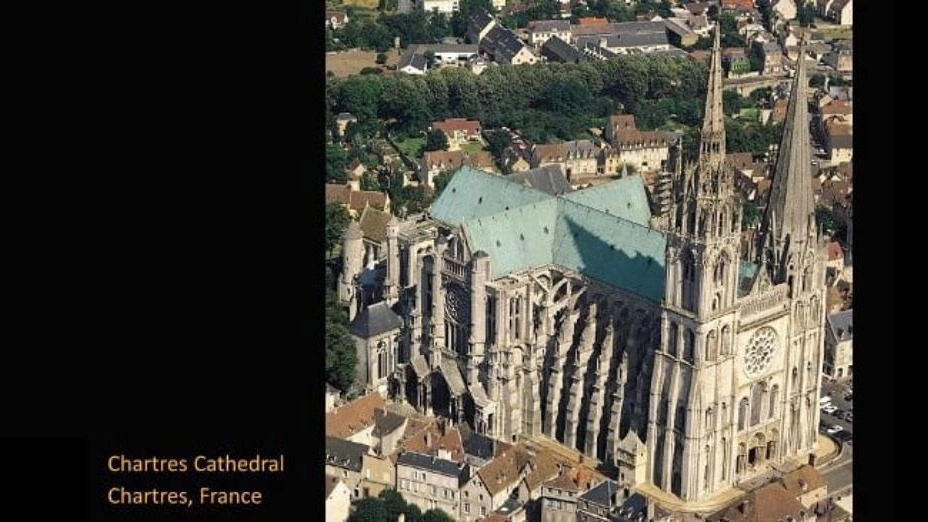
The north wing of Notre Dame Chartres Cathedral is very beautiful and stunning with a colorful Rose Window design with a diameter of about 13 meters.
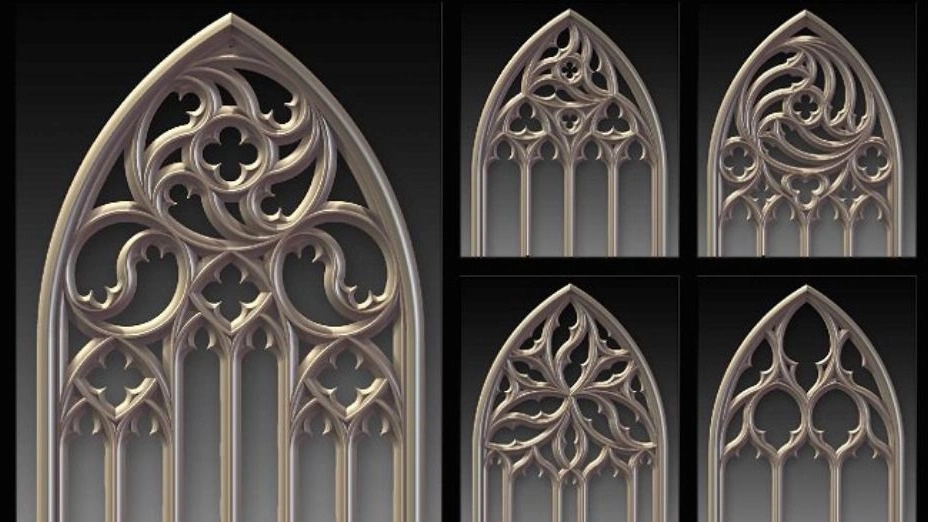
Tracery, which has various and beautiful geometric patterns, is usually used in large Gothic windows. The decorative frames inside the rose windows were beautifully carved from stone and had a striking effect on the main facade of the Gothic church.
Rash
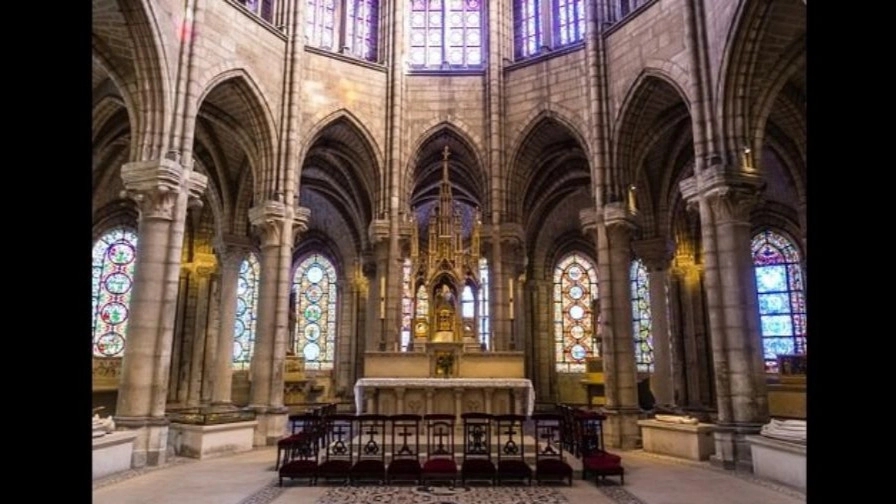
Another important element of Gothic architecture is the pointed arch. The abundant use of this arch in the structure of the walls of the Gothic church has a functional and aesthetic purpose at the same time. The pointed arch has a different load distribution compared to the circular arch and transfers the load of the roof better to certain points of the wall. With the help of the pointed arch in Gothic architecture, the load of the roof is concentrated on pillars and transferred to the ground. This type of load transfer to the ground creates a kind of building skeleton, and this is why a large window can be placed between two columns.
In addition to the structural function of the Gothic arch, pointed arches make the building taller and They create a spiritual feeling that the church is drawn towards the sky. The abundant use of pointed arch in Gothic style is influenced by Islamic architecture. Before the Gothic era, the circular Roman arch was used in Romanesque style churches.