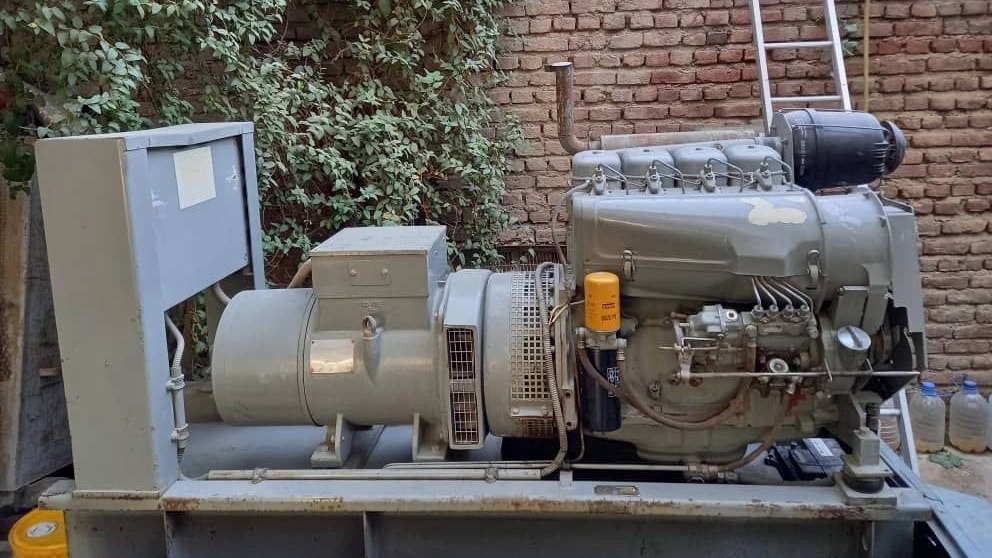


What is a diesel generator?
🔹🔸 A diesel generator or, in better words, a diesel generator, which is sometimes called an electric motor, converts mechanical (kinetic) energy into electrical energy. In fact, a diesel generator is a combination of a diesel engine (to turn the generator) and an alternator or electric generator that is used to generate electrical energy. Diesel generators are often used in emergencies and situations where grid power is not available.
Diesel Generator Function Products
🔹🔸 The operating principles of a diesel generator are based on the law of energy conservation; That is, "Energy can neither be created nor destroyed, but is transformed from one form to another." Diesel has chemical energy and during combustion its chemical energy is converted into heat and power energy. This force is known as mechanical energy and rotates the alternator. The rotation of the alternator also produces electricity. Combustion is the process of burning fuel in very dense air, and its temperature reaches 750 degrees Celsius.
The diesel generator function is briefly performed in four stages of suction, density, combustion and discharge.
♻️ Suction stage When the inlet valve opens, the piston is moved from the center and air is drawn into the cylinder. When enough air is pressurized, the suction valve closes at the end of this step. ♻️ stage of combustion At this stage, the fuel enters the hot dense air and begins to burn, maintaining the pressure, and when the piston reaches the top center, the fuel supply stops. Fuel injection continues at the end of the suction stage until the cut-off point is reached. In this case, the intake and exhaust valves remain closed, and hot gases and compressed air circulate in the cylinder, causing the piston to move downward until it reaches the bottom point. ♻️ Evacuation stage At this point, the piston moves up again, allowing the drain valves to open and the fuel valve to close. Combusted fuel gases escape due to their expansion and as the piston moves up, the remaining gases are pushed out through the exhaust valve. At the end of this stage, the drain valves are closed and the cycle is complete.
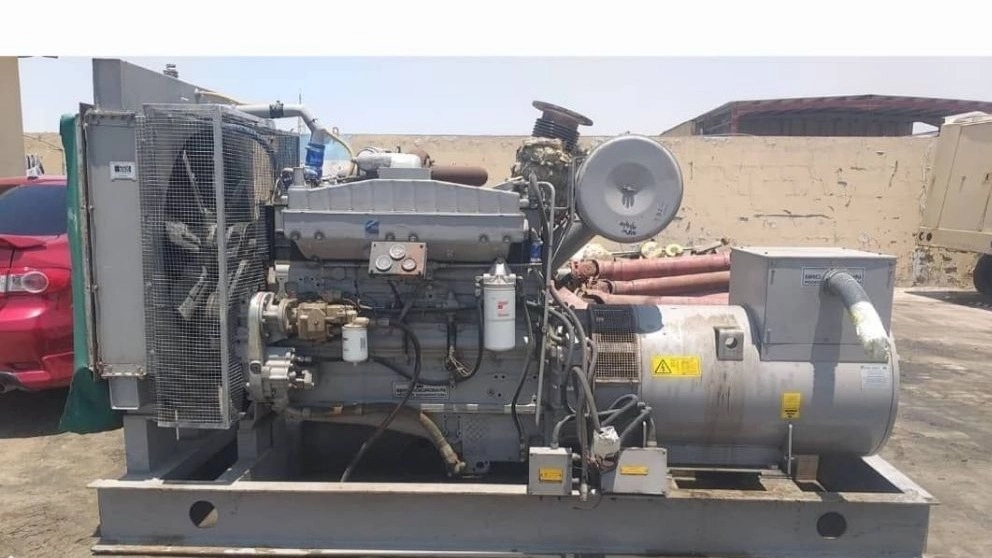
Diesel Generator Structure
♻️ Diesel generator structure The main parts of the diesel generator are shown in the figure below. ♻️ Engine As its name suggests, an engine is like a vehicle engine, with the difference that it has a larger source of electrical energy and can produce more electrical energy. Alternator This part converts the mechanical energy resulting from the axis rotation into electrical energy. Alternator is one of the most attractive parts of diesel generator. Faraday discovered (or at least described) electromagnetic induction in the early 1830s. Electromagnetic induction states that if we move a wire (or any electrical conductor) in a magnetic field, an electric current is "induced" in the wire. If the wire is still fixed and the magnetic field moves, this phenomenon will still occur. Motion in a magnetic field causes electrons to flow through the wire. If the wire runs from north to south, the electrons will flow one way, and if it goes back from south to north, they will flow the other way. The stronger the field and the longer the wire, the greater the induced current. Modern generators work by placing several large, powerful magnets in a cluster around a central rotating axis. The rotating part of the generator is called "rotor". Magnetic field generators may be permanent magnets or electromagnets, but they must produce a magnetic field that causes the motor to rotate. Another important component is the "stator" of the alternator, which is essentially a series of tightly wound windings, all near and around the rotor. When an external force (such as a diesel engine) rotates the central shaft, the north and south poles of the rotor's magnetic field move along the stator windings. This causes a lot of electric current to be induced in the coils, which we call alternating current.
Controlled. Conventional controls and outputs of the control panels often include the following components:
On/off control (manual, automatic or both) Phase selection key Frequency key Engine mode key Engine fuel Engine oil Engine speed Cooling temperature Battery charging Generator output voltage Generator output current Generator output power (in kilovolt-ampere) AC power frequency Room and body The diesel generator is housed in a waterproof enclosure, structural frame, or portable unit. All of this is to keep the connected components together. In addition, the enclosure ensures that electrical components are securely grounded.
Conditional
🔹🔸 A diesel generator can be placed in a sound insulation cover called a canopy, which reduces the sound caused by it well. In this case, the diesel generator is called a silent generator.