
Tent Tent History
The first use of tents dates back to the Iron Age. Initially, the tent was used as a means of survival, and later it was used as a means of military conquest. The Roman Empire used skin tents to shelter its soldiers before the attack and extensively.
Installation of Chadmassafi
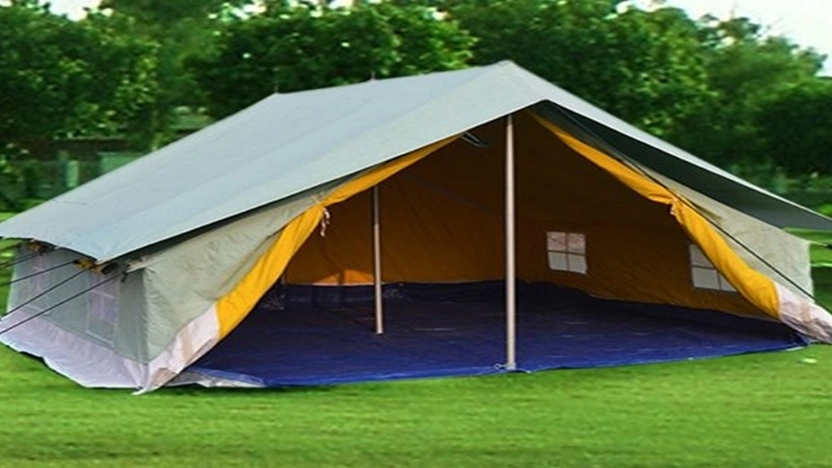
Travel tents can be set up in several ways depending on the type and model you have bought. First-time campers may be more comfortable with automatic tents, which are easier to set up. Because these types of products are installed easily and in the shortest time. In relation to the installation of a cane travel tent, there are also detailed materials on this site.
Regardless of what tent you purchase, a camping tent is always made of a fabric that is stretched around a structure. Smaller models can be freely installed on the ground, which means that it is not necessary to nail them to the ground. But when you have a bigger tent, you may need to secure it to the ground with some nails.
Material of travel tent
These products can be made from a variety of raw materials. So, those who intend to camp should consider the environment in which they intend to camp before buying a tent.
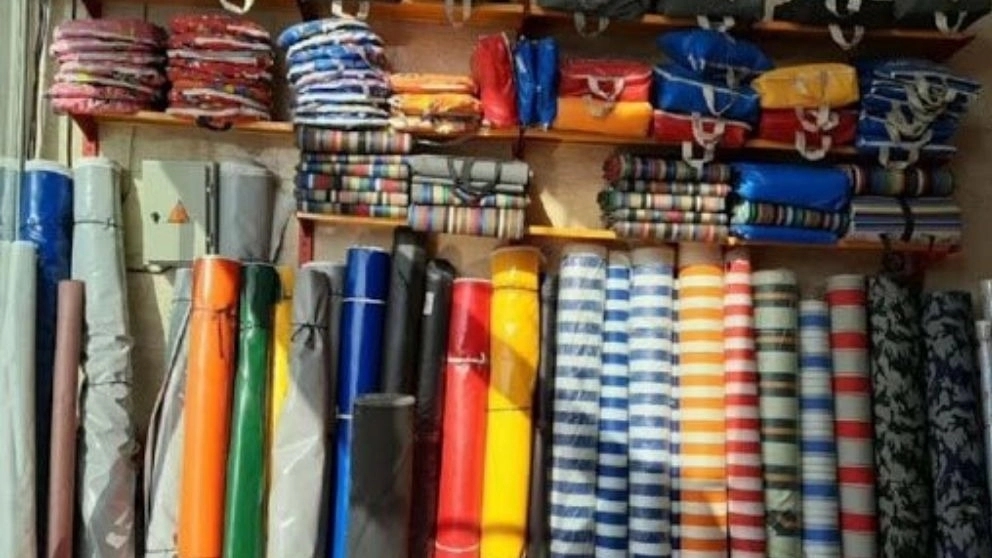
The most common materials used in making these products are tarpaulin, nylon and polyester. Each of these materials has its own special characteristics. So it is better to take a look at these ingredients to see which one is better for you.
Tornado
Most tarpaulin tents are relatively durable and suitable for all kinds of weather conditions. Canvas tent is the most used for recreational camping. Because among other materials, the tarpaulin has the heaviest possible weight. The tarpaulin has very good thermal regulation properties. On the other hand, the tarpaulin will be much heavier when it gets wet. And this is why more professional campers and mountaineers prefer nylon to tarpaulin.
Nylon
For hikers and campers who travel light, nylon is a good choice. Compared to tarpaulin, nylon is lighter and easier to transport. Also, it does not absorb water and therefore a nylon travel tent will not weigh more after a heavy rain.
While nylon is the preferred choice for hikers, tarps are still a better option for avid campers. Because due to its thermal regulation properties, which are much better than nylon, the camper will stay warmer in cold weather and cooler in hot weather.
A nylon travel tent can be equipped with a waterproof layer by the manufacturer. However, you should also be aware that this waterproof layer may be lost over time. Because it is exposed to the sun's ultraviolet radiation when in use. To prevent damage to your tent, it is good to replace this waterproof layer every few years.
Polyester
Polyester in a travel tent has many properties of nylon and it can be said that they are quite similar in many of these properties. Polyester is one of the most available and cheapest materials for camping tents in the market, and this has made it the first choice for this product among young people. A polyester tent can have a waterproof protective cover layer to protect it from the rain. But such a thing does not always seem necessary because some of these coatings automatically have waterproof properties. Considering its very light weight and waterproof properties, polyester travel tent is considered one of the suitable options for mountaineering and nature tourism. Considering all the facilities that polyester tents offer to their consumers and due to their very light weight, it is a bit difficult to control them in adverse weather conditions with strong winds.
Travel tent components
Types of travel tents consist of components that can include extra cover, latkes, extra rooms, under tent, columns, etc. Of course, not all tents are equipped with all these items, and according to their price and use, they can offer some of these equipments.
Additional cover
A travel tent that has an extra cover, two layers of raincoat, the extra layer can be called the second or outer layer of a tent, whose task is to protect the tent from water and rain. The additional cover should always be waterproof so that it can direct the water accumulated on its surface and prevent the main cover of the tent from getting wet.
The main cover
The main cover can be called the inner layer of the tent, and in some tents it is the layer that is placed between the inner cover and the additional cover. In fact, the main cover is the main body of the travel tent, which should be of better material.
Extra rooms or hallways
Corridor is the word used for an extra room in a travel tent and is usually connected to the entrance door or in the middle of the travel tent. The extra room of the tent is usually used to store personal belongings or extra clothes, but this extra room may be large enough to provide the necessary space for another person to sleep.
In some cases, the extra room is used for activities that cannot be done in the main space of the tent. For example, cooking or cleaning camp equipment. In any case, the use of the extra room depends entirely on its size.
Travel tent under the tent
A tent base is a device that is spread on the ground and a travel tent is installed on it. The material of this underlay can be of various materials and it is a cover that will protect the floor of the tent and also prevent the transfer of moisture from the ground to the tent.