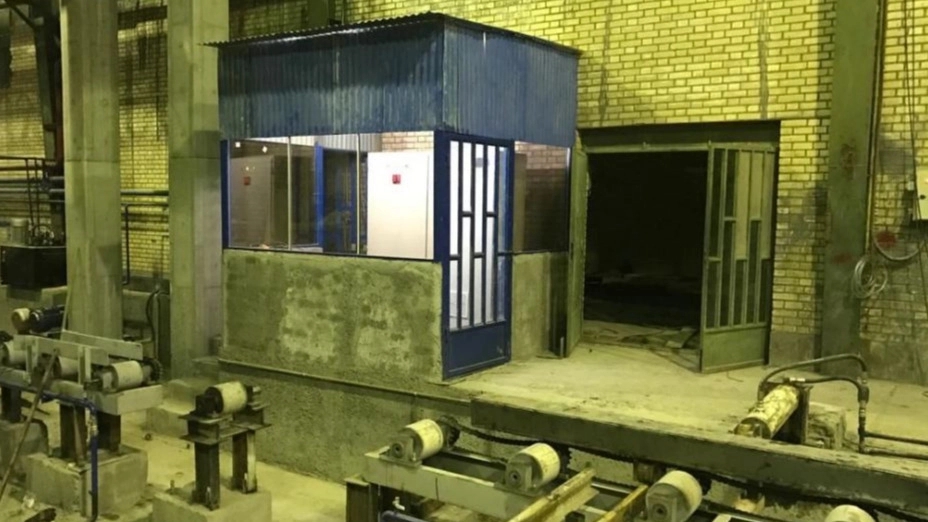
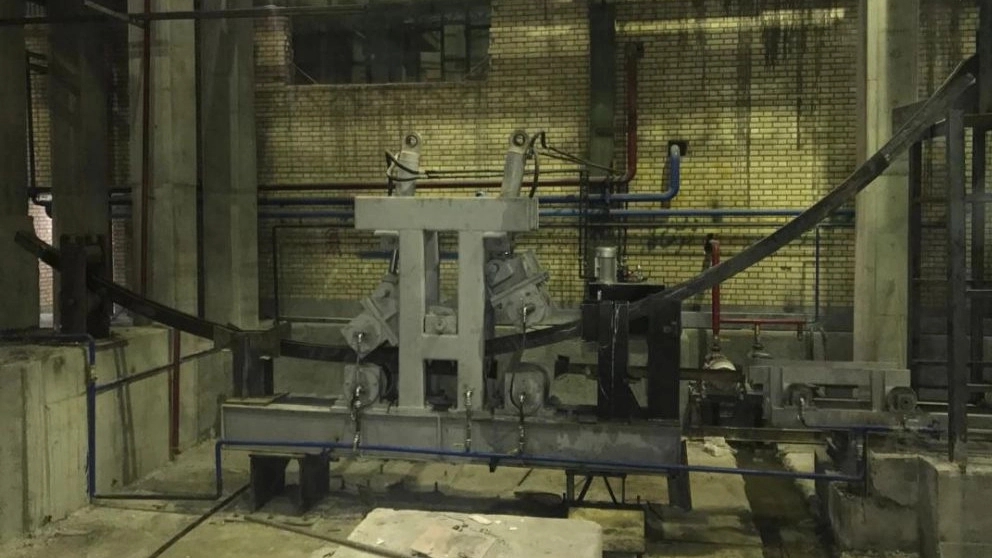
🔹🔸 design and manufacture and implementation of all ccm continuous casting parts including slitter or vibrator, mold, swing
🔹🔸 design and manufacture and implementation of all hot rolling lines Gearbox
Heavy is one of the most common and common activities in the industry. It is a manufacturing process in which a liquid material, usually molten metal, is poured into a mold containing a hollow cavity of desired shape and then allowed to cool through various processes. The solidified part is also known as the casting which is removed from the mold to complete the process or in some cases the mold will even be broken.
🔹🔸 In fact, casting materials are usually made of different metals or materials that will be created after mixing two or more components together. Heavy duty casting is often used to make complex shapes that are otherwise difficult or uneconomical to make by other methods. Heavy equipment, such as machine tool beds, ship propellers, etc., can be easily cast to the required sizes, rather than being made by bolting together several small pieces. This one piece itself will be a fundamental factor on the strength of the piece.
🔹 Casting heavy cast iron parts in a sand mold is defined by the use of sand as a mold material. Also, more than 60% of all metal castings are produced through the sand casting process.
🔹🔸 Molds made of sand are relatively cheap and even fireproof enough to be used in casting. In addition to sand, a suitable binding agent, which is generally clay, is mixed with the sand. This mixture is usually moistened with water, but sometimes with other materials, so that the strength and flexibility of the clay is created and the aggregate is suitable for molding.
🔹🔸For cast iron, a system of frames or mold boxes called flasks, which contains sand, is usually used. Mold cavities are created by compressing sand around models called patterns, by carving directly into the sand, or by 3D printing.
🔹🔸From the design provided by a designer, a skilled pattern maker makes the pattern of the desired object using wood, metal or plastic. The sand can be ground, swept or made into droplets, the size of these particles will be between 0.5 and 2 mm. The molten cast iron that is going to be cast will shrink during solidification and may have a non-uniform surface due to non-uniform cooling. Therefore, the pattern should be slightly larger than the final product. which is generally known by the term shrinkage allowance in this field. Now remove the main model. Then the top and bottom threads should be paired to make the mold strong. Now we pour the molten material into it. The entrance paths of the molten liquid into the mold cavity form the runner system and include sprue, various feeders and inlet valves that connect the runner system to the casting cavity.
🔹🔸Gas and steam produced during casting with cast iron are removed through permeable sands or through risers. In addition to patterns, the sandmaker can also use tools to create holes. Then it is enough to completely close the holes through which the melt was poured, and after doing this and the passage of time, the mold will slowly cool down and regain its original form. In the final stage, generally by breaking the mold, the object will be removed from it and if needed, it will be sent to the finishing process. The raw material is peeled to get the desired shape and size. That the methods of controlling the peeling process can be diverse. For example, this control can be done by humans or machines. But in general, all these methods have one thing in common, and that is the removal of material from the raw material block to reach the desired piece.
🔹🔸 Subsets of subtractive manufacturing (machining)
As said, machining or subtractive manufacturing refers to a set of methods. Now we intend to introduce you to each of these methods.
Turning (lathing)
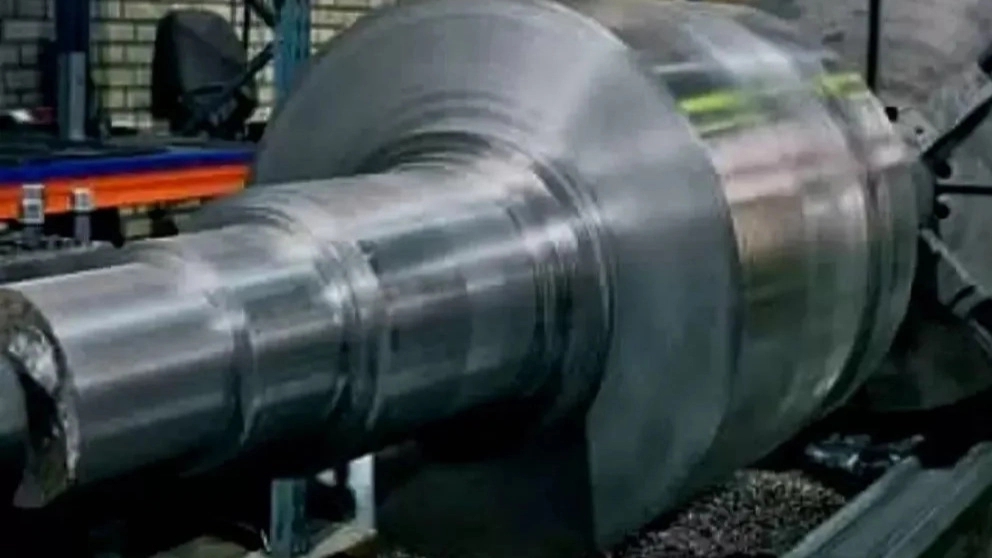
Turning is one of the most common methods of reduction manufacturing, which is usually used for carving and shaping wood and metal parts. In turning, material removal is often done in a rotary way. Due to its high speed and low cost, turning has become one of the common methods of machining and manufacturing in general.
Milling (Milling)
Milling is another very common reduction manufacturing method. The milling machine can perform peeling during rotary movements or linear movements. The milling machine is similar to a home drill, except that it can perform precise and controlled movements in at least three axes. A tool of the milling machine that is in direct contact with the part and performs the material removal is called a milling blade.
Drilling (drilling)
Drilling is a method familiar to everyone. Any of us who have drilled a hole in a wall using a home drill are familiar with this common method of reduction construction. The final and winning tool in the drilling method is a drill and the device that rotates the drill is called a drill. By using this manufacturing method, holes with a circular cross-section can be created in various objects. The range of materials that can be machined using this method is very wide.
Management: Mr. Farhad Staki
09131118113