
The principles of green space design
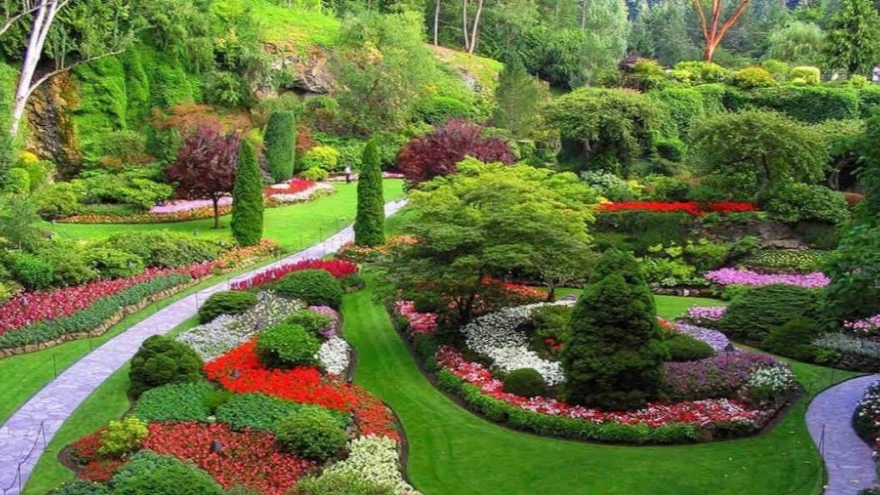
Maintaining balance in design: Balance can be considered a state of being and seeing that we have witnessed many times in landscapes, and balance gives a more comfortable feeling to the viewer who is in that space. Establishing balance in The environment is done in two ways, symmetrical and asymmetrical, each of which has a purpose in the design. Symmetrical balance is used to create a formal landscape that acts like a mirror; Because whatever is on one side of the garden is also arranged on the other side. Symmetrical balance is widely used in walkways, planting beds, and how to prune plants. Observing symmetry or asymmetry in design is an important issue. Sometimes the environmental conditions require to divide the space into two equal halves and design both parts in the same way. However, sometimes it is completely the opposite, and the conditions of the environment and the way of design become such that observing symmetry is not important. Asymmetric balance is known as informal balance that starts from one side and the other side follows a different pattern. This style of design inspires a sense of freedom and relaxation. Today, diversity in space design makes it possible for every corner of the environment to be completely different from the other part and at the same time connected. By applying the principles, green space designers create landscapes that are very pleasant to see with peace. These principles are not created by a group of designers, but are derived from the innate visual sense that exists in most people.
Creating an attractive harmony: The integration of the environment components with each other and trying to connect the components with each other is the meaning of harmony. Observing harmony by using the basic framework and precision in the components and colors used in the environment will be an important thing that must be observed. Paying attention to harmony in interior decoration is very important.
Importance of contrast or focal point: Every design needs a focal point that attracts the viewer's attention at first glance. The focus of interest is sometimes called the focal point, which is the strongest element in the design. The focal point of the green space of the house is the part that draws your attention when entering the environment.
The focal point can be interesting plant shapes, statues or ponds, bright colors, unique designs and architectural art. Using too many focal points is not very interesting and does not create a good perspective. The intelligent combination of several of these items can help the visual appeal of the environment. Highlighting one of the components in the picture frame is the contrast. Placing a fountain or a large and special tree in the middle of the garden makes it stand out in the eyes of visitors. Using this method means that you use contrast, the combination of which with harmony creates a special and unique design of the environment in the eyes of people.
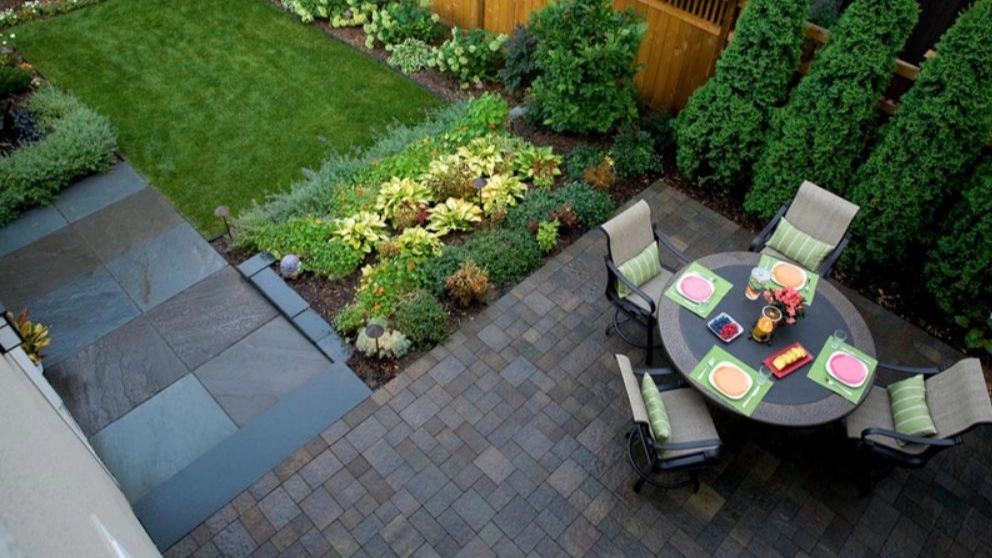
Maintaining the simplicity of the environment: Just as there is no need to imply simplicity, it should be remembered that beauty is in simplicity and crowded and cluttered landscapes are not attractive. Some environments, using complex architecture, the use of busy color combinations, or the wide range of lighting, take the focus and peace away from the eyes of the viewer. Landscapes that are simply designed with the right use of elements are much more appealing. Simplicity does not mean simplistic or boring; Rather, it means putting the components together correctly.
Compliance with proportion: The size and relationship of the elements in the green space are very important in the overall view. Proportion defines this size and relationship, which includes vertical, horizontal and special states of environment elements. Building size, land size, plant size, cultivation area and open space should be properly considered. As a result, it is necessary to carefully observe the proportion between these elements in the design.
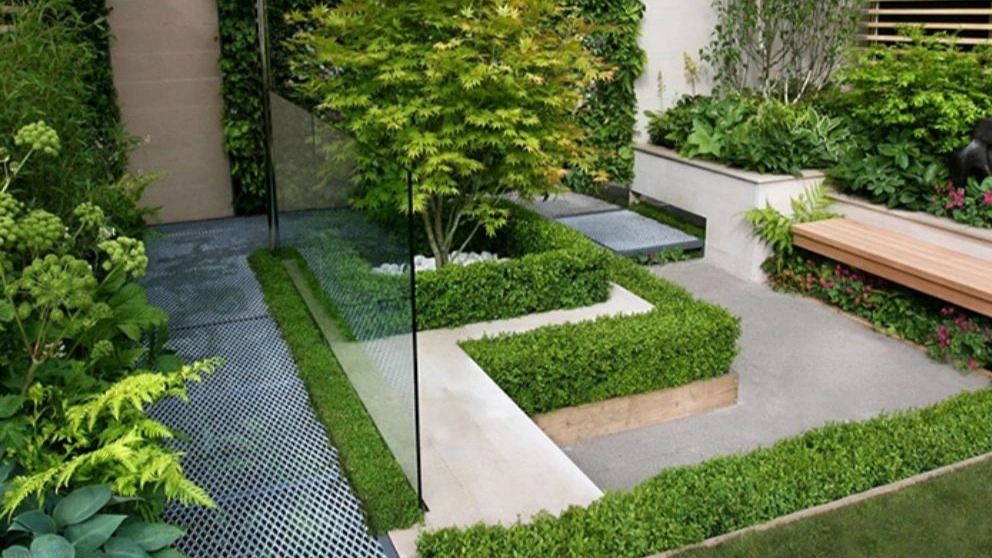
Suitable spatial design: The design of the garden should be in such a way that it looks bigger than its actual size and the size of the garden is maintained in the view of the garden. If at first glance there is a pile of big plants or tall trees that are not pruned properly, it will prevent you from seeing further parts. It is better to avoid planting too much around the garden, because the middle space of the garden looks small. It is wrong to plant tall trees in the middle of the garden, but if you plant a tall tree in the middle of the garden, prune its lower branches to block the view to view the garden. do not Using shrubs at a suitable distance is a good solution to show the extent of the environment. Gradually narrowing the paths of the garden helps a lot in creating a suitable space.
Maintaining unity between elements: If you have followed the previous principles correctly, it will be very easy to implement the principle of unity. Unity in design means that all components are placed next to each other in such a way that an excellent and principled outline is created. The colors, sizes, textures and other characteristics of the elements should have such a relationship that the integration in the overall design is well defined. The way of lighting, the shape of the bed and chairs, the walkways, the patterns and colors, and even the type and size of the plants should be related to each other and create a pleasant and beautiful appearance.