


Building facade criteria
Resistance to weather factors
One of the main criteria in choosing the types of building facades is its resistance to different weather factors. The facade of the building must be able to withstand rain, snow, sun and wind. For example, the facade of the building with brick cladding is more resistant to rain and snow than the facade of the building with glass cladding. In addition, the facade of the building must also be resistant to moisture and heat. For example, the facade of a building covered with double-glazed glass is a very good thermal insulator due to the presence of air in between. For this purpose, materials such as ceramic, stone, brick, metal and wood are used. Also, to prevent water and moisture from entering the building, building facades must be designed in such a way that they reject water well.
Thermal and sound insulation
Building facades should be able to insulate heat and sound. For this purpose, it is better to use materials such as sandwich panels, double-glazed windows, and heat and sound insulation. Also, to prevent heat transfer from inside to outside or vice versa, building facades should be designed in such a way that they have internal and external thermal insulation.
Insulation and energy< Insulation of the facade of the building is also one of the important criteria in its selection. The facade of the building should have the ability to reduce energy consumption due to thermal and sound insulation. For example, the facade of a building covered with double-glazed glass is a very good thermal insulator and can reduce energy consumption due to having air in between.
Beauty and visual appeal
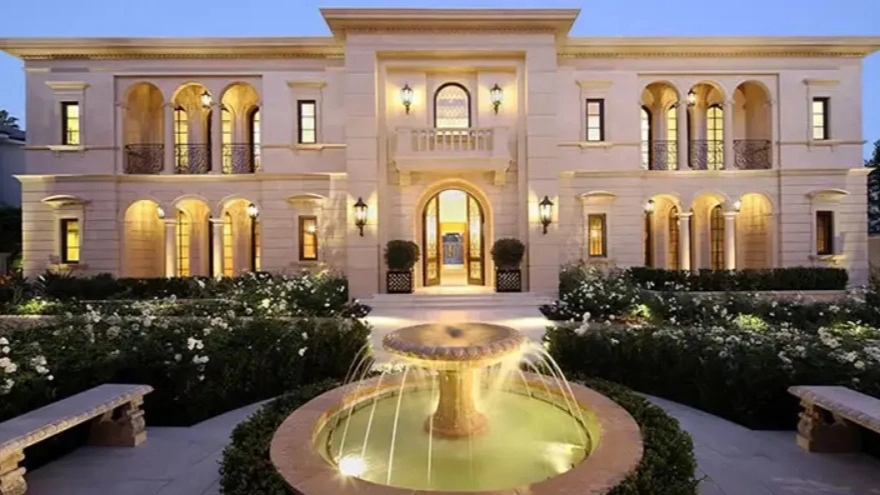
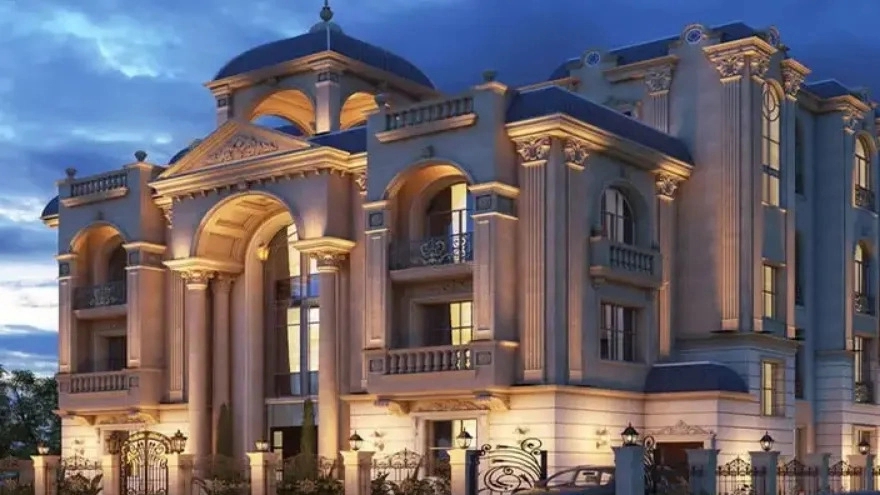
The facade of the building should be suitable with the environmental conditions and space around the building due to its beauty and visual appeal. For example, the facade of the building with brick cladding is more visually attractive than the facade of the building with glass cladding, due to its different designs and colors. Finally, the choice of the facade of the building should be based on the needs of the building and its surrounding environment.
Maintenance and repairs
Building facades should be designed in such a way that they require less maintenance and repairs. For this purpose, it is better to use materials with high resistance and long life. Also, it is better to use protective covers to prevent scratches and damage to the facades. For example, if stone is used, protective coatings such as nano resins, waterproof and anti-stain coatings can be used.
Compatibility with the surrounding environment
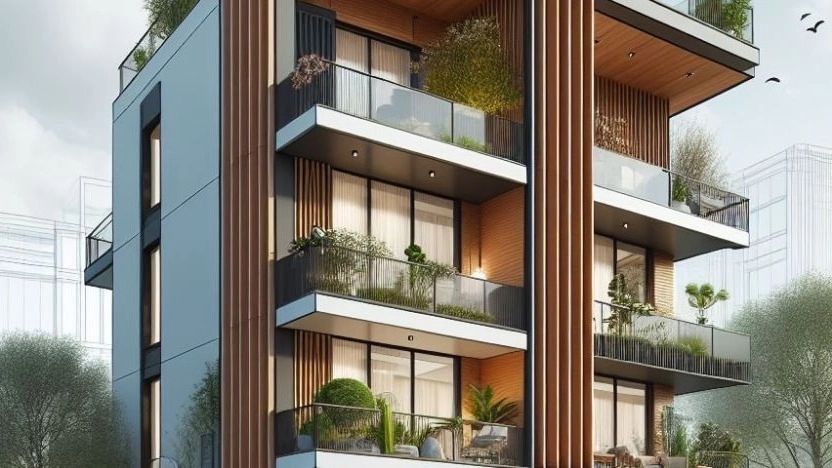
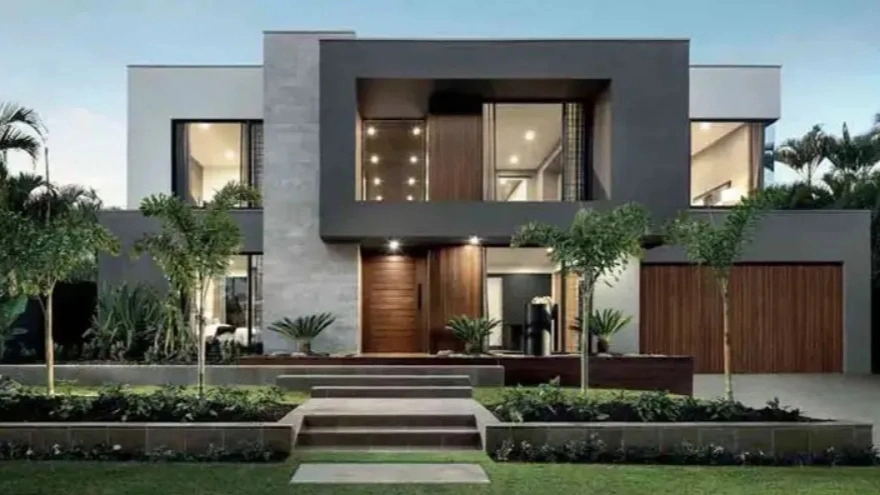
The first principle in the design of the facade of the building is its compatibility with the surrounding environment. For example, in areas with green nature and many trees, the use of green and brown colors in the facade of the building is more compatible with the environment. In addition, in urban areas, attention should be paid to the architectural style and view of the city. For example, traditional facades are used in historical cities and modern facades are used in modern cities.
Coordination with building use
Coordination of building facade with its use is another principle It is in the design of the facade of the building. For example, in commercial and office buildings, glass and modern facades are used more. But in residential buildings, traditional and warmer facades are used. Also, in medical and therapeutic buildings, attention should be paid to creating a sense of peace and intimacy in the facade of the building. In general, in the design of the facade of the building, it should be in accordance with the surrounding environment, coordination with the use of the building, and also the use of materials. should be taken into account. By observing these principles, the facade of the building will become more beautiful and attractive.