
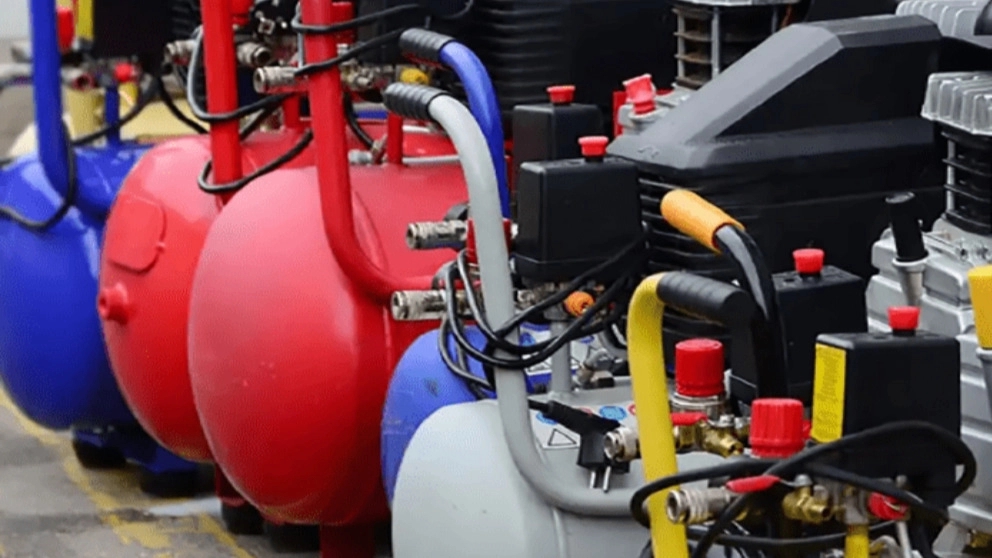
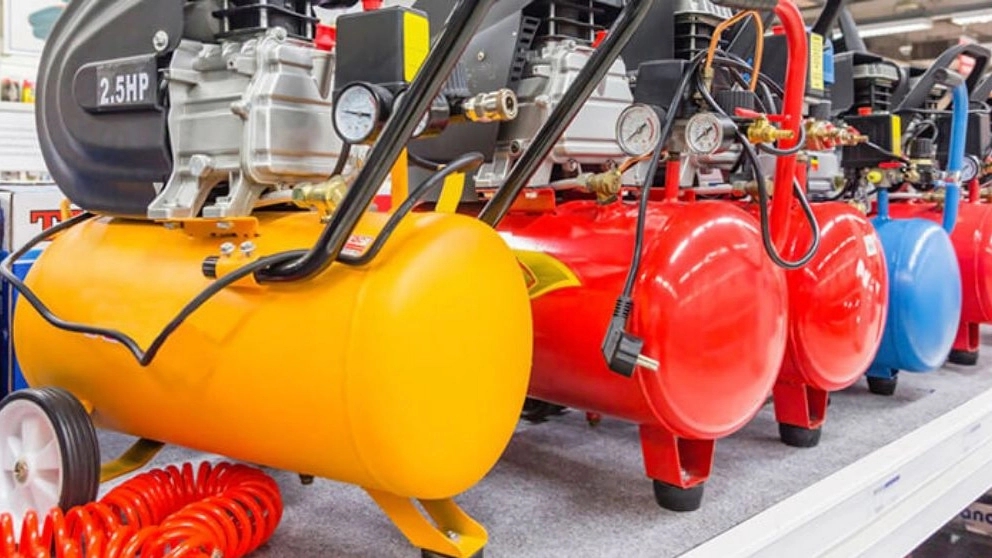
Air compressors are divided into two categories, positive displacement compressors and dynamic compressors, based on how energy is transferred to the fluid (device or tool), which differ from each other in terms of performance and power. Positive displacement compressors compress air intermittently and dynamic compressors continuously. In general, two models of the most common positive displacement compressors available in the market are as follows:
Piston compressor (retrieval or refundable wind compressor)
This compressor model performs air compression using a piston. Piston compressors are used to compress large volumes of air in various industries such as natural gas processing, oil refineries, chemical plants, and automobile factories. This air compressor model has been designed and marketed in two oil and oil-free models, open and hermetic (without holes) in various pressures and capacities. It should be noted that the presence of oil in oil-piston compressors will cause better lubrication and performance of the device and prevent the compressor from overheating, but due to the possibility of oil leakage, oil-free or dry technology will be used to make dental compressors.
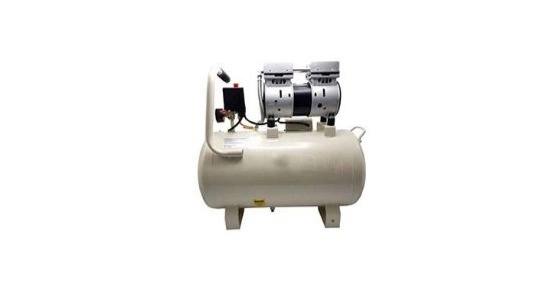
Screw compressor (rotary compressor or rotary screw)
This compressor model performs air compression through two connected male and female routers. The screw compressor is designed and produced in both oil and oil-free models. This positive displacement air compressor model has the ability to produce compressed air with very high power and low consumption; Therefore, it will be an ideal proposal for wide applications in various industries such as food, pharmaceutical and health industries.