
What is a refractory and what material is said?
Refractory or slow-melting materials are materials that do not undergo physical and chemical changes at very high temperatures and do not have a specific melting point.
What is clear and obvious in the industry is that Physical and chemical interactions that exist in various industries, including iron, steel, glass, ceramic, petrochemical, lime and cement industries, etc.; For related industrial activities, such as melting, casting or improving the performance of materials with heat, they need heat and high temperatures, and the effect of heat and heat in these industries cannot be ignored and is quite evident.
In order to carry out such activities, a suitable platform should be provided so that it has the potential to withstand this amount of energy production and high heat.
Nowadays, the need of factories and producers for favorable facilities and conditions to advance in the actions and functions mentioned above makes the role of refractory and refractory materials more important for industrialists.
Resistance of materials Refractory is very acceptable when exposed to conditions with high pressures, abrasions, thermomechanical changes, corrosion caused by chemical reactions, thermal and heat shocks, which occur due to temperature changes, uneven expansions in the body, so that It relieves the developer or researcher from applying any harmful and unwanted changes.
The cement industry and the role of refractories in it
One of the most practical foundations of construction is cement.
What people have from the image and mental preconceptions of cement; It is the material created from clay and lime that is used in building construction and construction operations.
But if we want to define cement in a general and comprehensive way, we can say that cements are sticky materials. and they are slimy that can put scattered particles of a substance together and stick together in such a way as to create a coherent texture of primary constituents.
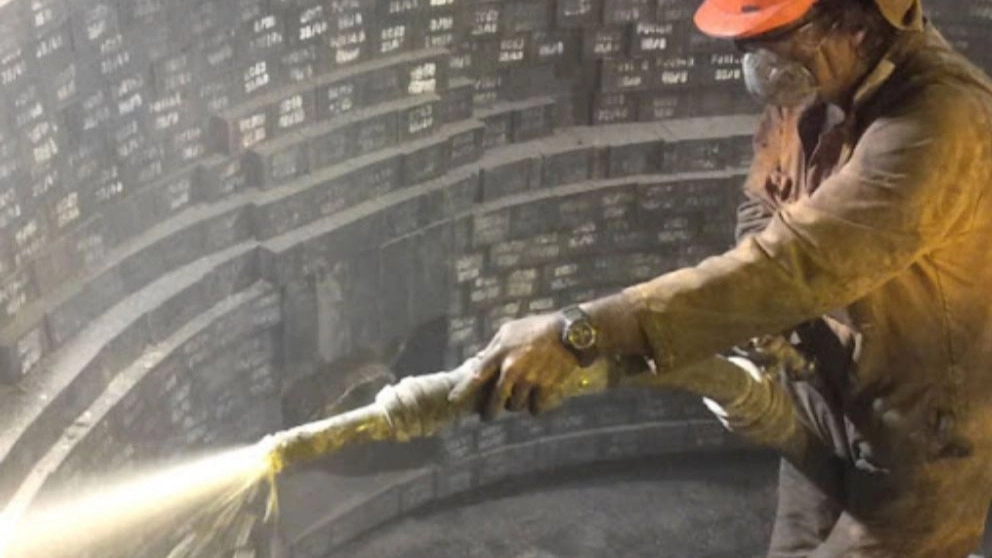
So according to the above definition, we can Even the kind of adhesives that stick firebricks (industrial bricks or furnace bricks) to the walls of furnaces dedicated to cement production are also considered as a type of cement.
In 2020, the amount of cement production reached 4.1 billion tons in the world, which indicates the importance of this category of materials.
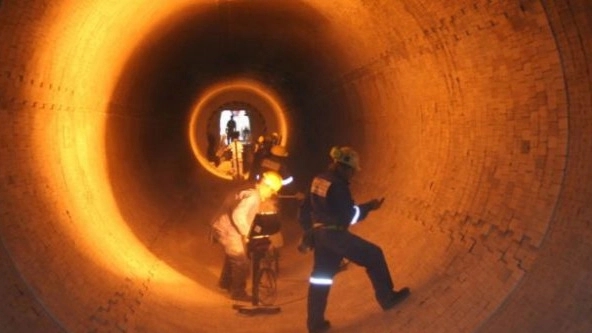
In relation to cement production, it can be said that the most important part of the The production of cement is related to the furnace part, because the most consumption of thermal energy and heat occurs in the furnace, and temperature control and the way heat is distributed in different parts of the furnace body are very important.
So What is important is the structure and material of the furnace body, which, as mentioned above, clearly shows the furnace's urgent need for refractory materials.
Steel industry and how to produce in it
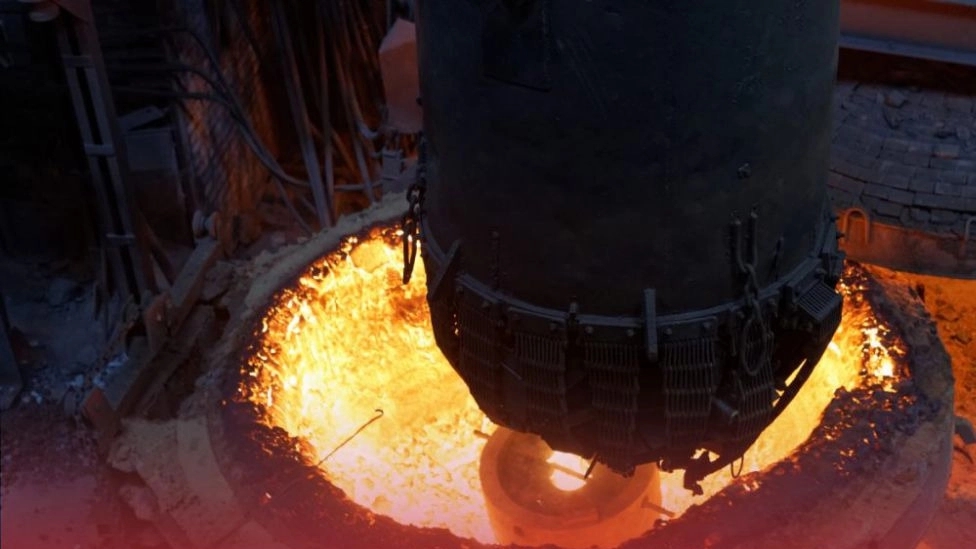
Refractories play a very important role in the steel industry, and industrial refractory bricks are one of the most key materials in the steel industry. Changes in the percentage of carbon and elements in the alloy and heat treatment undergo changes.
The effect of steel can be seen in a wide range of industries, for example in the following industries:
> ✅infrastructures
✅ war tools
✅military weapons
and...
One of the prominent features of steel is its very high tensile strength and at the same time the lack of welding ability. in which some substances that are electrically uncharged or neutral attract other substances to themselves - it is the opposite. So, in order to compensate for the lack of formability of this type of steel, by activating the paramagnetic property in it, new steels have entered the field, which, while having good and high tensile strength, have the ability to be formed and not crushed.
In today's world, in order to make steel all over the world, iron smelting is done in different ways.
These iron smelting methods can be divided into two categories:
2- Steelmaking by converter or paste
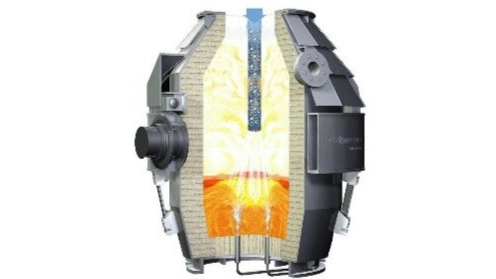
In the beginning of the steel industry, the converter or paste method was more popular. In this method, raw iron is placed in a furnace pan and a flame is blown on the raw iron to melt its materials. The raw iron in the furnace is completely stirred so that the carbon in it burns completely by contact with oxygen. They beat on it to form slag and separate it.
Refractories are used in the walls of these furnaces and refractory bricks prevent heat transfer to the outer chamber.
This method Due to the production capacity and different quality of steel, it is not used at the moment.
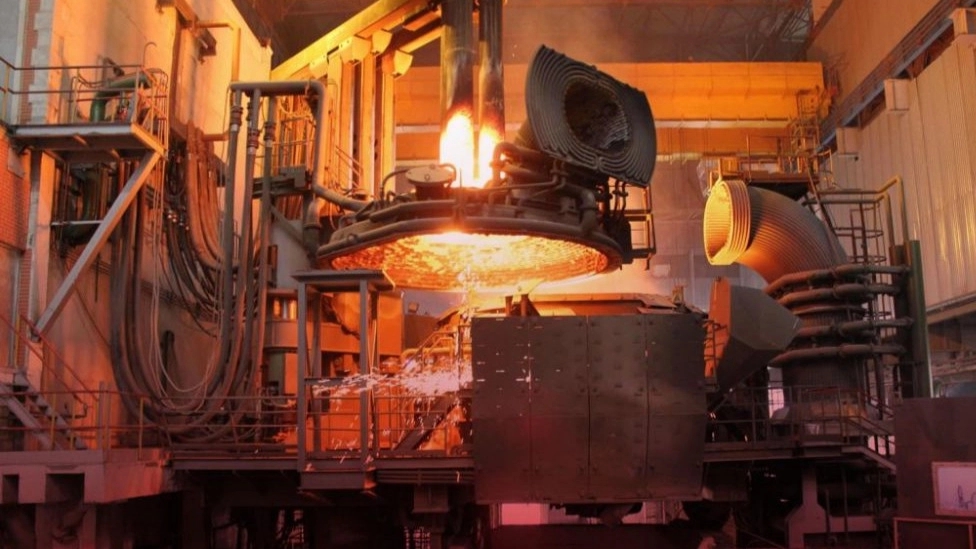
2. Steelmaking in the arc furnace (EAF)
(The temperature of melting and discharge in these furnaces is around 1600 degrees Celsius, and in some furnaces related to laboratories, this temperature will reach up to 3000 degrees Celsius.)
The first method
The raw iron obtained from the blast furnace is placed in the converter and the excess carbon is burned and destroyed by blowing oxygen gas. And the amount of carbon in the steel is adjusted according to the manufacturer's request, and the strength of the steel is also increased by adding suitable elements.
The second method
The sponge iron obtained in the direct reduction process is poured into the electric arc furnace and melted. The very high temperature of this furnace produces steel with a low percentage of carbon in the same primary melting. And the process of steel production is completed by adding suitable elements and adjusting the amount of carbon. > Electric arc furnaces consist of a shallow but long tank with a steel body; which are covered with refractory materials that are resistant to heat.