

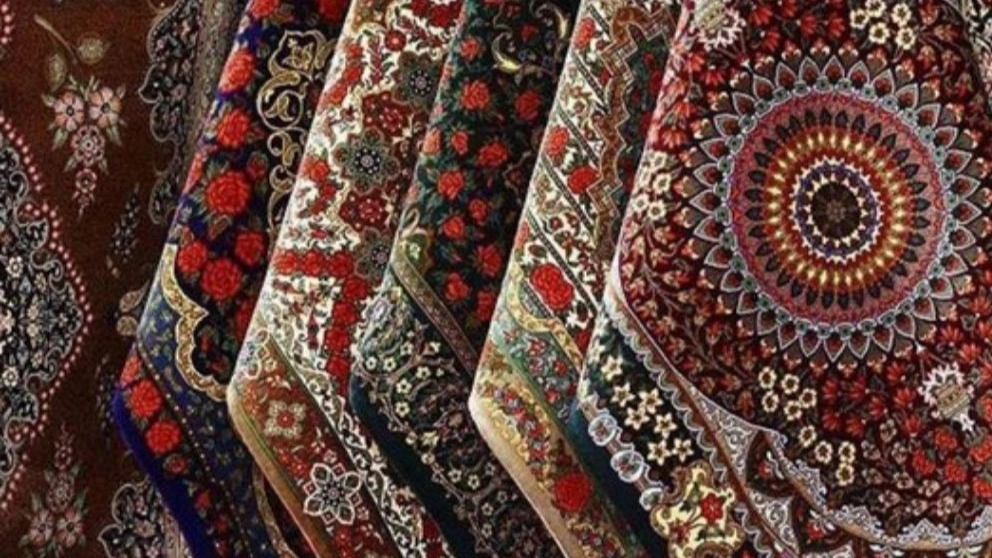
The difference between automatic and ordinary wash in handmade and machine rugs
If you have a hand-woven carpet and want to wash it, you must have noticed that the hand-woven carpet is usually woven from yarns that have been traditionally dyed. In order for the colors in the hand-woven carpet to remain stable and not mix, you must be very careful when washing the hand-woven carpet. On the other hand, after washing the hand-woven carpet, it is very difficult to lift it. On the other hand, this carpet must be dried well, because if it is not dried enough, its fibers will wear out and the life of the carpet will be reduced.
Although in the case of machine-made carpets, compared to hand-woven carpets, the sensitivity is less, but to wash machine-made carpets in a traditional way, you must follow a series of tips, which include:
✅Primary dusting It is necessary before the carpet gets wet. It is forbidden to use detergents with a very low pH and bleaches. To dry the carpet, you should place it in a completely hanging position.
✅To immerse the carpet in water, there must be a constant flow.
✅Do not expose the carpet to direct sunlight.
The difference between automatic and ordinary wash in terms of detergent
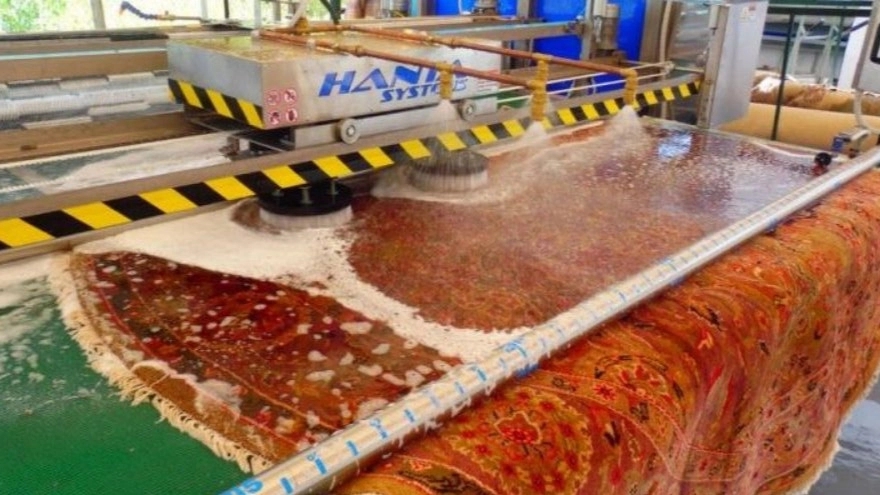
One of the differences between automatic washing and normal washing is that usually in normal washing the carpet is washed once using water and tide and then dried, but in automatic washing the carpet is washed twice with shampoo and bleaching and stain removal are also done. takes In most cases, the shampoo used in first-class washing is the shampoo that does not harm the texture of the carpet.
The difference between automatic and conventional wash in terms of equipment and devices
In the normal way, washing is done by people and that is why it is very time consuming. In the fully automatic method, after washing in the machine, the process of dewatering the carpet is done fully automatically by the machine, and finally the attendants transfer the carpet to the heat room to dry. Usually, in the drying stage, the lint removal process is also performed.
Types of handmade carpets
Handwoven carpet has a great value and reputation among arts and crafts all over the world. In our country, as the largest weaving center of all kinds of carpets, this value and reputation is formed by the claws of carpet weaving artists. The diversity of Iranian carpet products has attracted those interested in this sector of handcrafts towards Iranian woven carpet.
To determine the variety of this type of carpet, the type of fibers used for weaving or the method of weaving can be used as a selection criterion. Similarly, you can pay attention to the dimensions based on which the carpet is woven.
Iranian handmade carpet: A world of variety and beauty!
The beauty of the hand-woven Iranian carpet is so great and impressive that words cannot do justice to it. The fame and reputation of the beautiful Iranian carpet is complicated everywhere in the world and there are few people who are not eager to see or have a sample of this valuable art industry. And let's pay attention to its weave, wool, cotton and silk are the most used materials. But the type of wool and silk and the way it is used have an effect on the produced product. In a general classification of carpet types, we will have the following items:
Handmade wool carpet:
It is a carpet whose warp and weft is made of cotton and its piles are wool. Of course, in cases such as nomadic fabrics, even wool is used instead of cotton thread.
Handmade silk carpet:
These types of carpets are made in all types of silk (silk pile and pile), silk floor (with a background of silk pile) and silk flowers.
Suf Carpet:
A carpet with zari, silk or wool texture, which has a thick weft in the background and delicate and thin zari threads, and its flower and bat motifs are fluffy and prominent, is called sof. The use of silk fibers and threads of gold or silver in this type of carpet has turned it into a distinct and valuable industry. There are old examples of this type of weaving in Kashan and Tabriz, which shows the depth and originality of the art of carpet weaving in Iran.