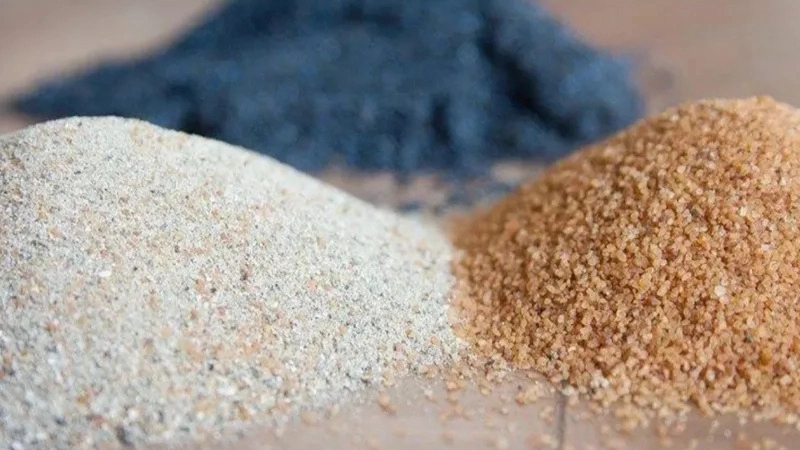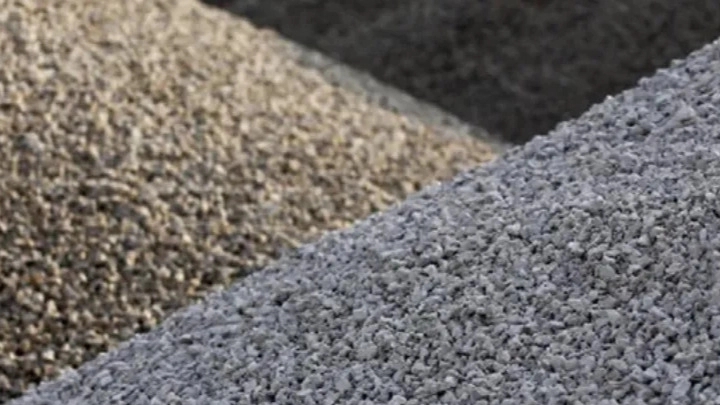
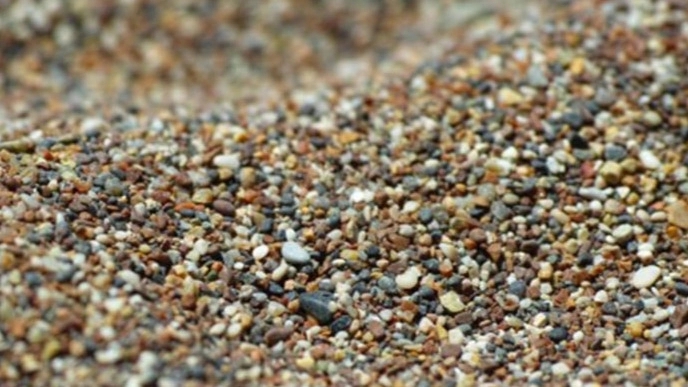
You might think that sand and sand are always used together, but this is not always the case and in some cases they are used separately. These stone materials are used in almost every industry you can think of, from casting to water purification. In the following, we will discuss the application of sand and its types. Sand is a mixture of small rock grains and granular materials that are characterized mainly by size, finer than sand and coarser than silt. And in different sizes from 0.06 mm to 2 mm.
Classification of stone materials by size
Generally, stone materials are divided into two categories: coarse-grained and medium-grained.
🔰 Coarse-grained group
These stone materials have a diameter of about 2 to 69 mm, which are called sand.
🔰 Medium-grained group
These stone materials also have a diameter between 0.06 and 2 mm and are called sand.
The group of small grains
The diameter of these stone materials is between 0.002 and 2.06 mm, which are called layers. It has a diameter between 0 and 0.002 mm. Like clays.
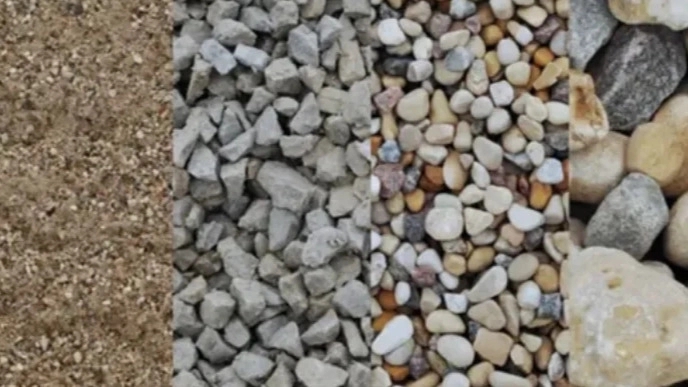
How are sand?
Sand is formed by the erosion or breaking of pebbles and the weathering of rocks. These stones are carried by seas or rivers. Freezing of water inside rock cavities during winter creates sand. Sometimes sand on beaches can also be made up of small broken pieces of coral, bone and shells that are broken by hunters and then washed up by the sea.
Even small pieces of glass from discarded bottles. in the sea and other minerals. Materials or bones of fish or other ocean animals. Sand can also be considered as a textural layer of soil or soil type. Sandy soil contains more than 85% of sand-sized particles by mass.
Sand composition
Sand is primarily composed of unconsolidated granular material that includes rock fragments or mineral particles or oceanic material. The composition of sand is mainly made of silicate minerals and granular particles of silicate rock. Normally, quartz is the most dominant mineral in sand, because it has very resistant properties to weather. . Other common rock-forming minerals such as amphibole and mica are also found in the sand. Heavy minerals such as tourmaline, zirconium, etc. can also be present in sand in lower concentrations. Usually, most beach sands are composed of gray or tan quartz and feldspar. However, the most common mineral in sand is quartz, also known as silicon dioxide. Quartz is formed when silicon and oxygen combine. Feldspars are the most found group of minerals on the surface of the earth, which make up about 65% of the earth's rocks. When the sea water rises on the beaches, these small grains are transported to the beach and with this composition they form sand.
Sand
Sandy
Synthetic sand
Sand varieties based on chemical composition
Silica sand