Cotyle features
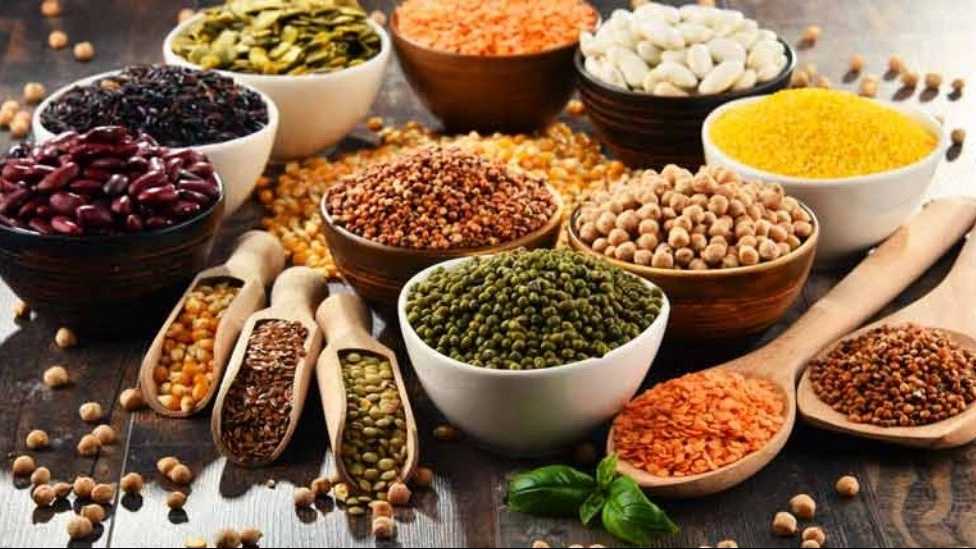
Cots are one of the low-fat legumes rich in soluble and insoluble fiber, minerals, vitamins and an excellent source of protein. In fact, you can include it in your daily diet as one of the best healthy foods.
What is the cotyledon?
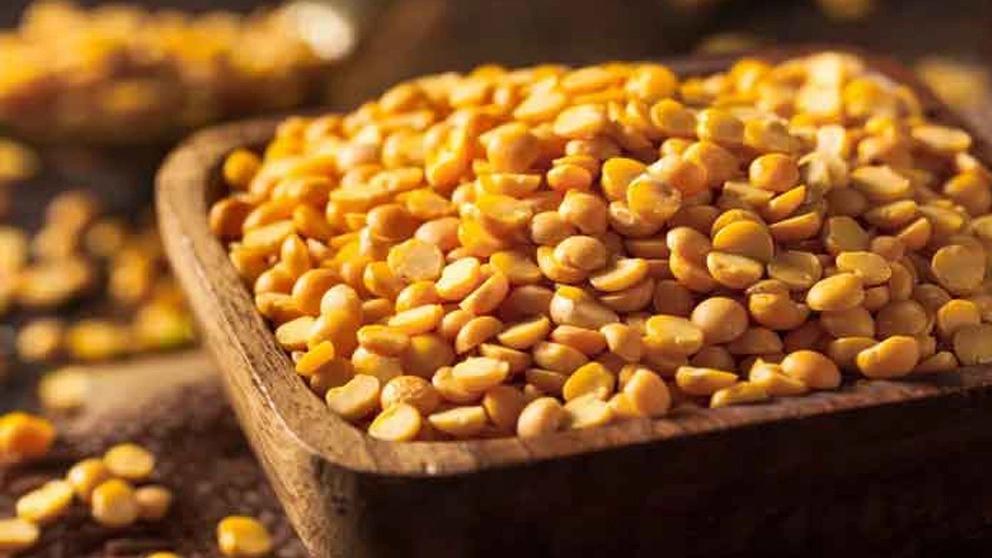
There are green and yellow types of chopped chickpeas, and the yellow type is mostly consumed in Iran, and ghee stew is one of the best Iranian dishes prepared with these legumes. There are many other local dishes in different cities of Iran that are cooked using these delicious seeds. Nutrients in split peas have been linked to numerous health benefits, including improving the digestive system and promoting cardiovascular health. In all parts of the world, this delicious seed is used in many dishes and all kinds of soups and stews.
Chickpeas are usually marketed dried and raw, with their skins already removed. Both types of cob have the same nutritional benefits, but they are different in terms of taste. Yellow split peas have a mild flavor, while green peas are sweet. These legumes are often considered starchy foods due to their high levels of complex carbohydrates and are relatively high in calories among legumes. The main advantage of split peas is that they are cooked quickly and do not need to be pre-soaked like many other legumes.
How is the nutritional value of the cotyledon?
Like other legumes, chickpeas provide your body with a wide range of beneficial nutrients, and one cup (196 grams) of this cooked legume contains:
Calories: 231
Fat: 8 grams
Carbohydrates: 4 grams
Protein: 3 grams
Manganese: 8 mg or 39% of the daily requirement
Folate: 127 mcg or 32% of the daily requirement
Thiamine: 4 mg or 25% of the daily requirement
Potassium: 710 mg or 20% of the daily requirement
Phosphorus: 194 mg or 19% of the daily requirement
Magnesium: 6 mg or 18% of the daily requirement
Copper: 4 mg or 18% of the daily requirement
Iron: 5 mg or 14% of the daily requirement
Vitamin K: eight micrograms or 12% of the daily requirement
Pantothenic acid: 2 mg or 12% of the daily requirement
Niacin: 7 mg or 9% of the daily requirement
Riboflavin: 1 mg or 6% of the daily requirement
Vitamin B6: one milligram or 5% of the daily requirement
What are the properties of cotyledon for health?
1. Promotes cardiovascular health
It has been proven that regular consumption of legumes such as beans, peas, cobs and lentils reduces blood pressure, prevents heart diseases and generally maintains heart health. These legumes are rich in soluble fiber, which is excellent in reducing cholesterol and is one of the main causes of high blood pressure, heart disease and other cardiovascular symptoms such as heart attack.
This delicious seed is also rich in minerals and other nutrients such as potassium, magnesium, calcium and good antioxidants, all of which will support cardiovascular health.
2. Regulates blood sugar levels
One of the excellent foods for people with diabetes can be cobs; Because it is an excellent source of soluble fiber that slows down the release of glucose in the blood and its absorption in the cells.
This action helps maintain a steady flow of glucose and protects the body against type 2 diabetes. However, due to the sensitivity of this disease, if you did not use this legume a lot before, and considering that it is a starchy legume, if you have diabetes, consult your specialist before increasing its consumption.
3. It helps to lose weight and maintain healthy weight
Chopped chickpeas have high protein that causes early satiety. This will facilitate the consumption of low calories and prevent overeating and will result in weight loss. Its high fiber content also keeps your stomach full and prevents the need to eat unhealthy snacks such as cakes and sweets, which increase your calorie intake and increase weight. In addition to weight loss, regular consumption of pulses and other legumes is a great way to maintain a moderate weight.
From the point of view of traditional medicine, cotyledon has a relatively hot and dry character. Some of the most important properties of cotyledon include the following:
Like peas, cobs are also a rich source of fiber, and for this reason, its consumption is recommended to reduce blood cholesterol and reduce the incidence of cardiovascular diseases.
The cotyledon is rich in iron and therefore its consumption is useful for treating and eliminating anemia.
The use of cotyledon is beneficial for diabetic patients, one of the most important properties of cotyledon in traditional medicine is the recommendation to use it instead of bread and rice in people with diabetes.
Consuming cotyledon is useful for treating constipation because of the fiber in it.
Among the other properties of cobs, such as the properties of beans and lentils, is to help lose weight and lose weight, and it is a useful food for those who want to lose weight.
The amount of sodium in the cotyledon is low, on the contrary, it has a high amount of potassium, so its consumption is allowed for people with high blood pressure.
Cotyledon has all kinds of essential minerals needed by the body such as calcium, magnesium and important vitamins such as vitamin B12, so its consumption is very useful for all age groups, especially malnourished children and the elderly.
Due to the high amount of protein in the cob, this useful vegetable seed will be a very suitable substitute for meat, and therefore its consumption is suitable for people who should avoid meat consumption.
How can I use cotyledon in my diet?
Pour them in soup
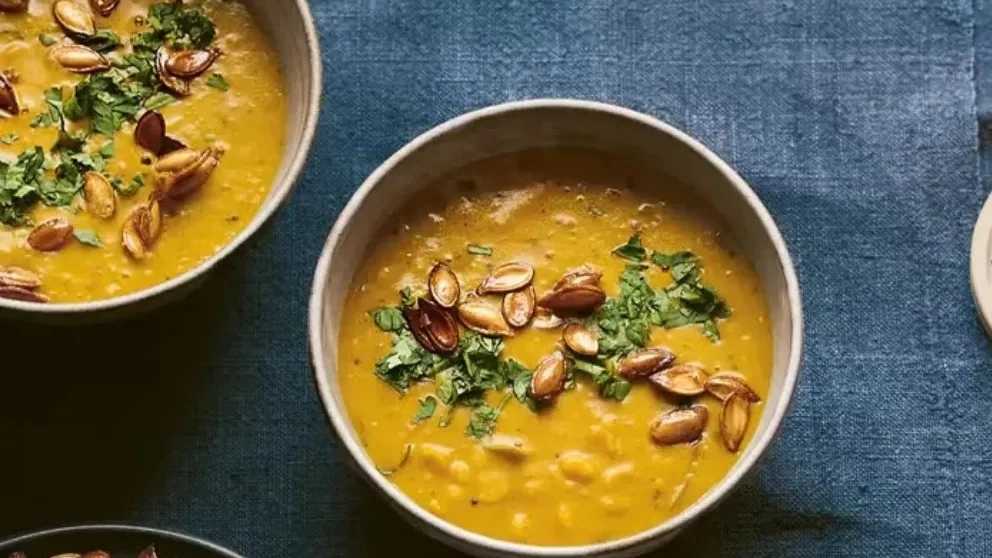
Soups are not only great for warming up on cold days, but they're also a great way to get a healthy dose of whole foods into your diet. Chopped peas provide very good fiber, protein, magnesium and zinc for your body and these foods are the things that we need more in our diet. They are also low in calories, but very filling and if you are trying to lose weight, these legumes are one of the best options for your meal combinations.
Add the cotyledon to the types of pasta
A great way to add a new flavor to pasta or pasta dishes is to combine it with cobs. The resulting dish has a wonderful creamy texture and you will probably enjoy the taste. On the other hand, these small beans are a good source of protein and also have high fiber that can help you feel full longer. This is while consuming a lot of pasta alone is very fattening and you will be hungry very quickly after that. For this reason, it is usually recommended to combine pasta with protein ingredients such as mushrooms, meat, soybeans, or beans.
To prepare this dish, just boil the chopped peas until they become soft. Then add them to the pan with some olive oil and garlic and fry until the cobs are hot. Finally, stir some spices and salt to taste before serving on your favorite type of pasta. This dish is a complete meal, you can try the same combination of cob with rice. If you want to make it extra special, add some fresh parsley or basil leaves on top before serving.
Add them to the sauce of the vegetables
This valuable agricultural product is a versatile ingredient to add to a variety of sauces because of its rich and thick texture. They can also be used as an organic thickener in soups such as cream of tartar or hot potato soup.
These legumes are a great addition to vegetable sauces. They can add a great texture to these sauces that other vegetables can't. To add these small and delicious seeds to your sauces, you can follow the following methods:
In a pan on medium heat, cook the cobs until soft.
Put the cobs together with some of the sauce used in the blender and mix until it is uniform.
Pour the mixture into a saucepan and heat it over medium heat.
Serve the sauce hot.