؛ 2 days of consumers
According to how to cook different types of beans for cooking food, in particular how to cook red beans for food preparation, 25 grams of beans should be needed for each person. Cook with water. It is also better to add an onion to get the smell of the wound.
After the beans are cooked and cooled, we add them to other ingredients. This is the time when the bean juice is glossy, so it can be used in food.
It is cooked separately only if it is long-cooked. Otherwise, to prepare gheeme stew, lepe along with the meat is added after frying the onion.
Only chickpeas are soaked in water for consumption. For cooking soup, broth and falafel, we soak chickpeas in cold water for two days before because they are puffy, so that it becomes easier to digest.
He called the blackening, worming and peeling of the grains that are placed on the water during washing as the symptoms of rotten grains.
Note to a good job:
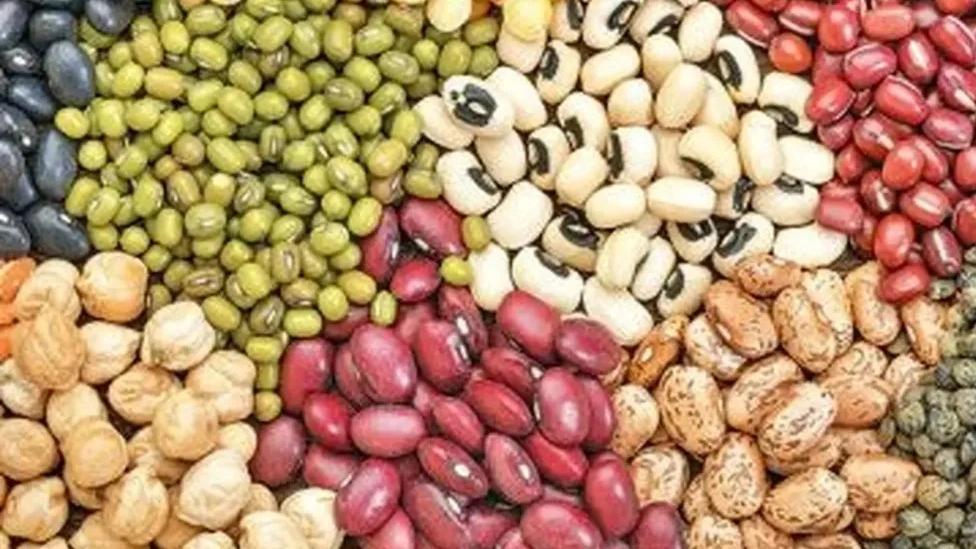
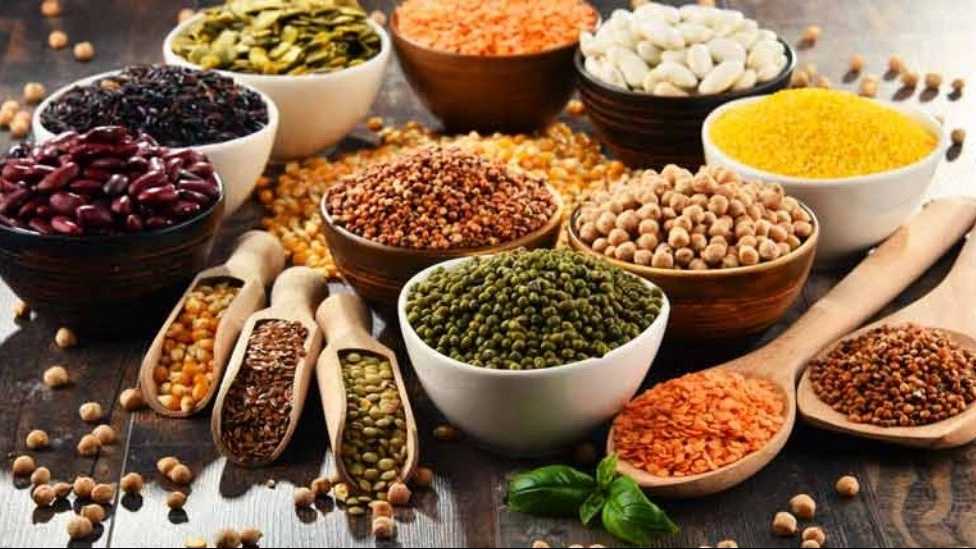
The most consumed beans are broad beans, red beans, chickpeas, white beans, and lentils, and regarding how to prepare beans, we can say: buy beans based on the capacity of guests or family members. Generally, grains have a shelf life of one year, an environment free from moisture and light, as well as the type of packaging that does not allow air to enter the grains, should be considered in the storage of these foodstuffs. The slow or early cooking of grains depends on its quality, the type of seed and the climate of the region have an effect on the popularity of grains.
Consignment:
The change of shape and color, as well as the release of pollen and soil from them, are ways to identify rotten grains.
Water in the water:
About how to consume grains, before cooking, grains should be put in boiling water in two series and in the last stage for cooking. If the storage place of the grains is suitable, they can be consumed for a long time, the breaking of the grains in the water is a sign of spoilage, and at this time, the reddening and holes of the dry grains are also signs of their inedibility bro >
So be a good consumption in the water in the water or more?
Soaking grains depends on the type of food. For example, to make samosa or chickpea falafel, it should be soaked in water for some time before consumption.
Settlement in the Memory:
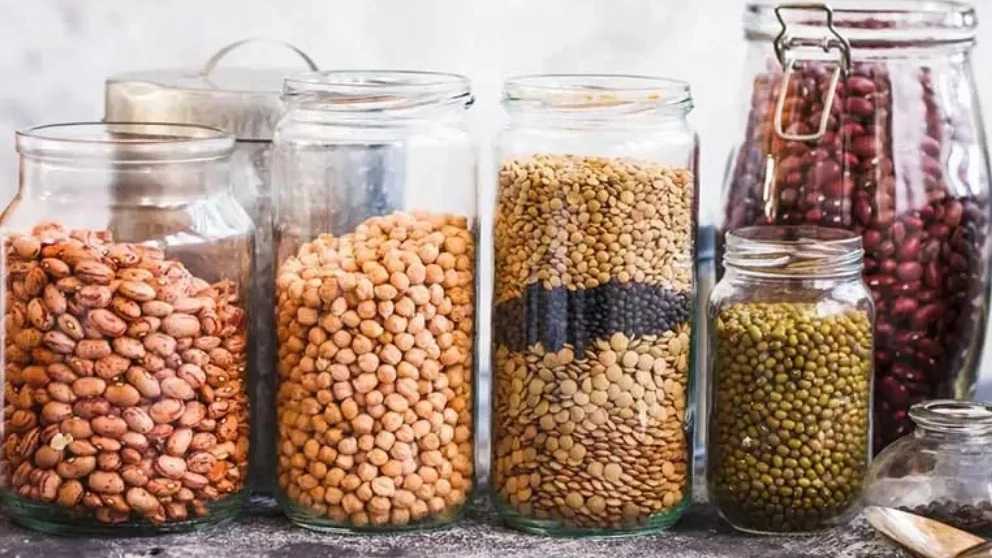
Pour the grains inside the sack into special closed containers and then store them in the warehouse.
The storage place for grains should be cool and dry.
Use these two methods to identify infected beans:
a) If you buy packaged beans, hold the package in your left hand and tap it with the middle finger of your right hand. If there is an insect, it will come to the nylon and be seen.
b) Put some beans in water. In this case, the beans with holes will come to the surface of the water and you will separate them. At the same time, as a result of getting wet, the insects in the beans come to the surface of the water, and you have to separate them before consumption.
How to keep beans:
There are two things to say:
A) This article is mentioned for dry beans.
b) Jubaat is one of the food items that are perishable.
According to these two notes, beans can be stored in a dry and cool place for one year. Although usually, the shelf life of beans (date of production and expiration) is written on the package, placing beans in humid places causes mold to grow on the beans. In addition, due to the sensitivity of nightingale beans, you can use the refrigerator to store them.
Other ways to maintain beans:
1- Place some leaves of the walnut tree next to the beans. 2- Mix the beans with a lot of salt. 3- Store beans in the freezer. 4- You can just boil the beans (boil the water and put the beans in the boiling water until it boils), put them in a colander and dry them, they will not be damaged in any way (the old method). >
Baking Method:
Leaves for 12 hours to reduce the resulting bloating. Soak in cold water and then change and discard. Cook the soaked beans separately and consume. At the same time, you can mix it with other food ingredients. In this process, a large amount of non-absorbable sugars and toxic substances that cause bloating are separated from the beans. It is reminded that removing the skin of legumes will make them easier to digest.
Nutritional value:
Foods of beans:
In the food guide pyramid, legumes are considered as meats; Because beans are very rich in protein. The protein of legumes is 2 to 3 times that of cereals and 10 to 20 times more than tuberous (starchy) plants. Legumes are commonly called "poor man's meat".
Also, legumes are rich in iron and calcium. 2 to 3 units of beans are equal to 1 to 1.5 glasses of cooked beans.