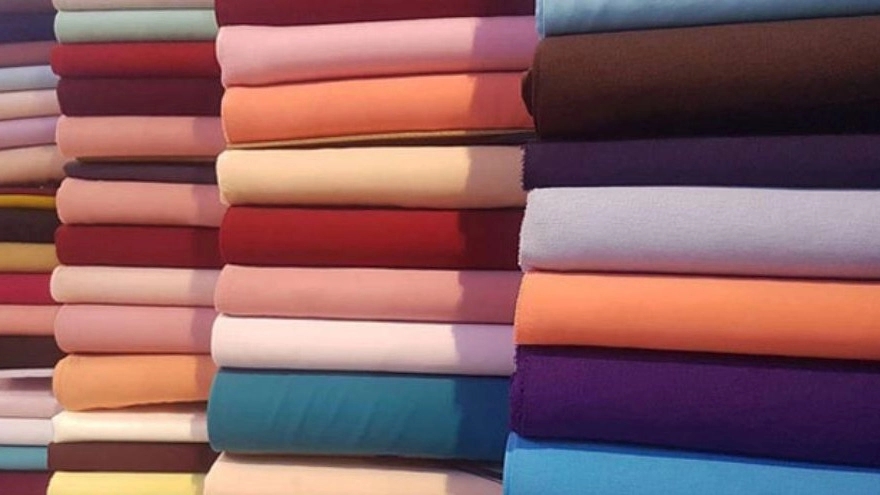
Types of fibers
Natural fibers: wool, cotton, silk Synthetic fibers: rayon, nylon and polyester
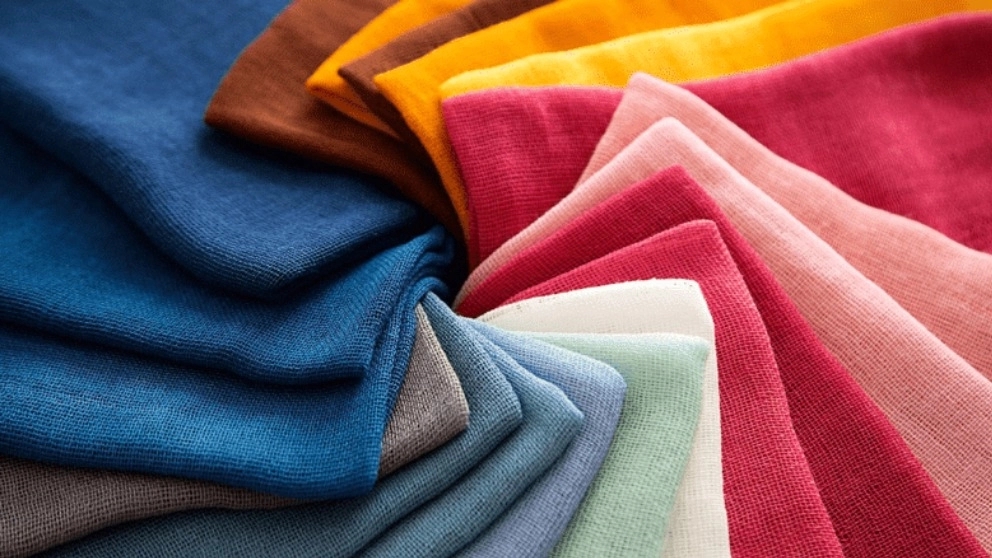
Cotton
Cotton fibers are heat conductors and transfer body heat to the outside, so they are cool, they are easy to stain and wash, they are resistant to abrasion, after use, if it is not dried well, the smell of body sweat will remain in it in Iran. Cotton clothes are called cotton.
Flax
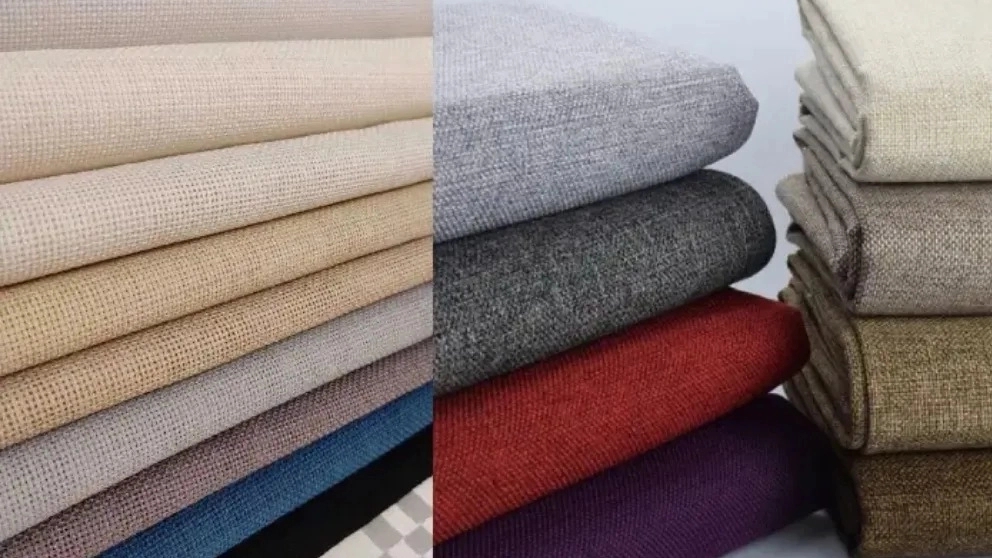
Linen is similar to cotton in terms of characteristics and is not grown in Iran. Linen fabrics have a smooth and shiny surface and are cleaned faster than cotton.
Wool
Regarding what animal these fibers are made from, they have different names such as merino sheep, llama wool, and goat hair. Having pores absorb the sweat of the body and it evaporates slowly, that's why in winter, a person feels less cold in winter. After washing, it should not be hung, but it is better to spread it on a cotton cloth.
Silk
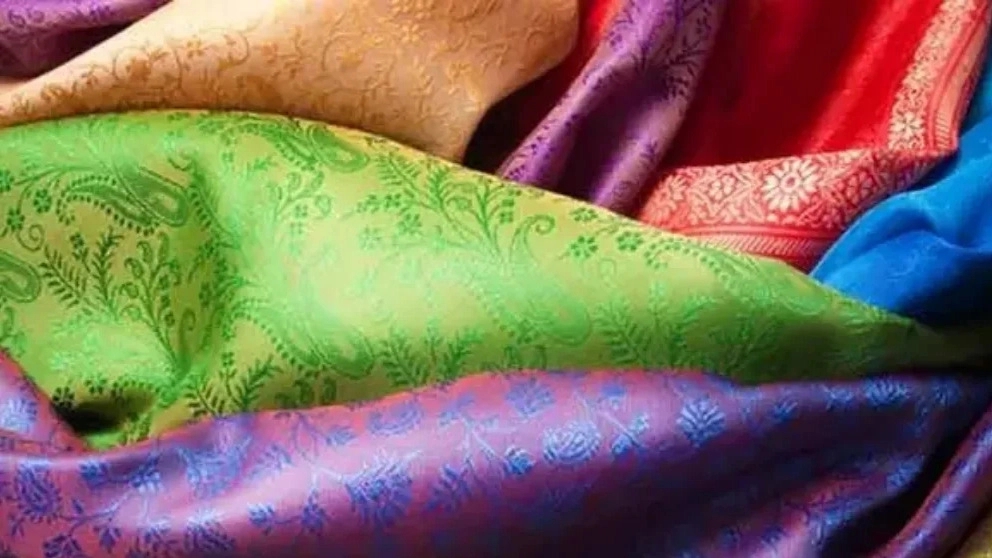
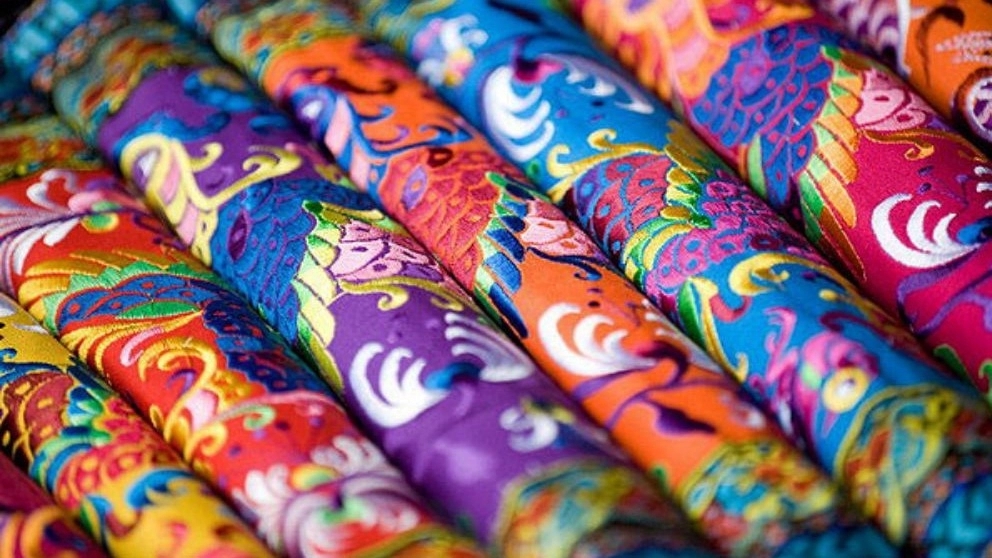
These fabrics are very light and shiny, have high elasticity, and are highly resistant to tearing and wrinkling due to the presence of protein, they are not heat conductors, and they can be used both in winter and summer. and insulation.
Semi -synthetic and artificial fibers
Viscose: It is a heat conductor, so the body feels warm, it is cooler than natural silk, and very soft and delicate textiles can be made from it.
Nylon: Nylon is one of the completely synthetic fibers. Nylon has good strength against wear and tear. That's why it has many uses, including nylon socks, due to its high elasticity in the knee and joint areas, it does not become baggy. They dry immediately, because there is little moisture. They are attracted to themselves. Filament yarn is used to make stockings, lining, swimwear, sportswear, lace fabric, raincoat, pleated clothing, and knitted fabrics.
Polyester: Polyester is completely synthetic. They have excellent resistance to wrinkling even when wet. If polyester is mixed with natural fibers, it is used in the preparation of light weight textiles such as curtain fabrics, satin, shirts and blouses. Due to its high iron resistance, it is used in the preparation of women's pleated fabrics and for clothing. The above items were among the most important types of fabrics, below we will only mention a number of other types of fabrics.
Names of fabrics
Rayon fabric: a bare fabric with stretch in both length and width, suitable for dresses and coats.
Filament fabric: a suitable fabric for producing all kinds of upper body sports clothes, etc., which has elasticity and a good price.
Venice fabric: fabric like soft silk with high elasticity in both directions, more than the appropriate length for all kinds of naked dresses.
Cotton fabric: a fabric made of natural fibers suitable for the production of all kinds of t-shirts.
Soren fabric: double-sided fabric suitable for producing all kinds of leggings and under-manteau pants from natural viscose fibers.
Viscose fabric: There are different types of this fabric, the most famous of which is Lacra type viscose.
Flazat fabric: It was a double-sided fabric that is mostly used for trousers and is made of synthetic fibers.
Diving fabric: This fabric, which was double-sided and has a good thickness for producing all kinds of sportswear and sports sets, has the elasticity of both. The direction of the greater length.
Dior fabric: This fabric is woven in a patterned pattern and has good elasticity.
Scotch crepe fabric: Crepe Sky is the same crepe fabric that has a more visible crepe texture and has good elasticity.
Cellulite fabric: This fabric is used to produce all kinds of sports and casual clothes. Its texture is honeycomb.
Galaxy melange fabric: Galaxy is the name of the design on the back of the fabric, and melange is also a famous gray yarn. This fabric is used to produce all kinds of slashes.
Dress velvet fabric: This fabric is used for upper body products due to its low thickness.
Printed knitted fabric: knitted fabrics are very popular, that's why this fabric is printed in the market.
Zakhim diving puffy sandwich fabric: The puffy fabric was a double-thick fabric with high elasticity and a very attractive puffiness, suitable for all sports and formal wear. It depends on your art how to use this fabric.
Brocade: It has prominent and bright threads.
Borken Crepe: It is a type of fabric with a woven surface like tree bark.
Bokele: It is a type of cloth with irregular knots and a knotted surface.
Chenille: A type of thick velvet-like fabric that has hairs on both sides.
Coluleh: A type of crepe fabric that is formed from two fabrics side by side and has irregular relief patterns.
Match velvet: A type of fabric that is woven with very soft thin threads and thick threads.
Denim: denim fabrics that only the warp threads are dyed and the weft threads are white.
Fakun: It is a fabric without a pattern that is woven in a heterogeneous and different process and is often a combination of matte and shiny.
Duchess: shiny and strong satin fabric woven from silk and synthetic fibers.
Crash: a type of fabric with a prominent and pleated texture in the shape of a puff.
Fish blade or Fish Grat: It is a patterned fabric with different threads in the warp and weft of the fabric.
Gabardine: It is a type of fabric with a fine texture of cotton, wool or synthetic fibers with prominent designs of a fish blade, twill or a mixture of oblique stripes, which is always woven from the right to the left or from the bottom to the top.
Glen Check: A type of plaid fabric, embossed or light shade.
Jacquard: All fabrics whose design is formed from the process of fabric weaving.
Hanen Treat: A fabric with small squares that has an oblique appendage in the corner of each square.
Denim: a cotton fabric that is often salted.
Lame: A colorful and shiny fabric woven from colored fibers or shiny threads.
Mahot: A woolen or non-thick fabric that is prepared through a method of felting.
Mowara: It is a fabric with oblique stripes and a wavy design, which is formed by pulling back the fabric.
Muslin: A delicate and soft fabric, similar to linen, made of cotton or wool.
Paneh Zamat: thick and shiny velvet with dense fluff.
Pepita: A type of fabric with small dark and light squares, which is not convoluted unlike the twill design.
Piki: double-woven fabric with raised designs that look like layers.
Keshbaf or straj: a type of fabric with right-to-left textures that has elasticity.
Rips: a type of fabric with prominent threads that are slanted.
Romanite jersey: A kind of strong fabric with a little elasticity, which is often made of sheep's wool.
Striped: a type of striped fabric that looks like striped tree bark.
Pullover or sweatshirt: It is often a type of thick tricot or jersey, which is woven from cotton.
Thermofluoresce or fleece: both are completely thick, rough and wool-like fabric made of synthetic fibers.
Tokh: checkered fabrics with different designs.
Chit: a kind of checkered fabric, two colors woven from cotton