1. Glass wool insulation
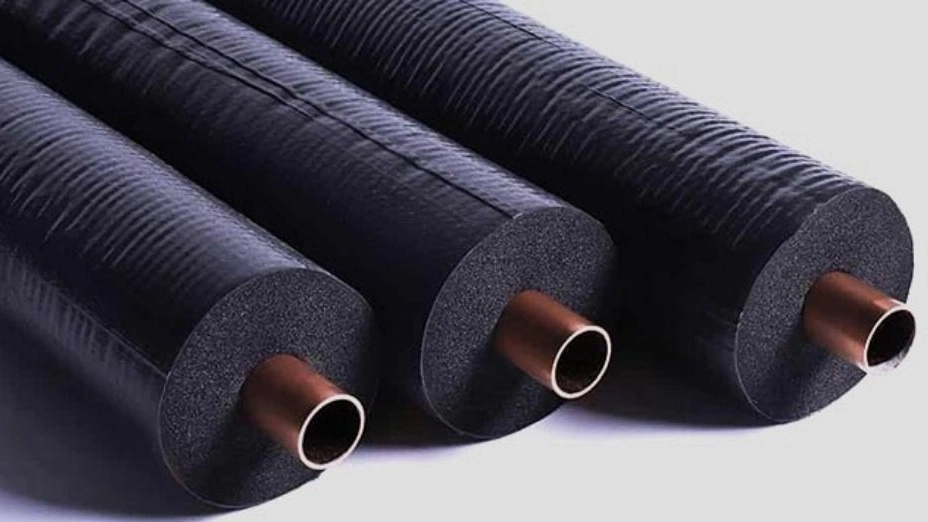
This insulation is considered as a versatile insulation. It is used in all types of heat, sound and moisture insulation for systems whose temperature is between +250 and -50 degrees Celsius. This insulation is connected to the pipes with fasteners. Glass wool insulation is produced in three forms: rolls or blankets, boards or panels, and tubes. Different density, light weight, easy installation, slow burning and acoustic property are the features of this product. It can also be said that their light weight and flexibility have made glass wool insulation the most widely used type of insulation in engine room insulation and equipment and installations. One of the differences between glass wool and stone wool insulation is the specific temperature range for each.
2. Foam insulation
3. Mineral fiber insulation or rock wool
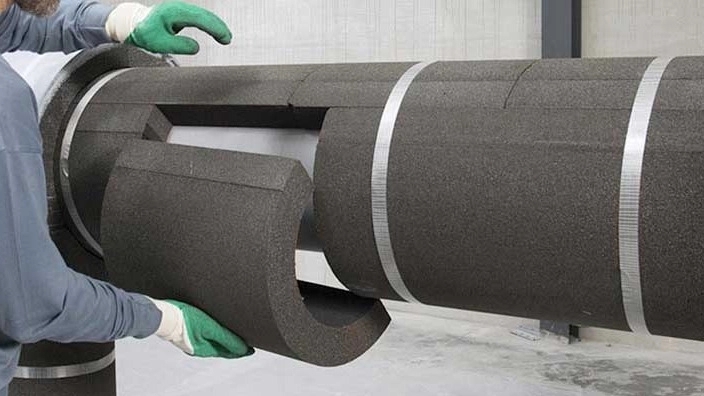
Mineral fiber insulation and stone wool are mostly used in air conditioning systems and heating systems. These insulators can withstand temperatures up to 70 degrees Celsius and show high resistance. Some of these insulations come with full adhesive layers which make their installation much easier. This type of insulation can be used both indoors and outdoors. Of course, if you intend to use them outdoors, we suggest you to use a protective layer called polyisobutylene.
4. Phenolic or phenolic insulation
Phenolic or phenolic insulation is one of the insulations that have the highest energy range and are available in different thicknesses. These insulators are used in various industries such as heating systems, ventilation systems, petrochemical and marine industries. Phenolic insulators are usually marketed with a foil cover. These insulators can also be used to cover the roof and walls. The maximum temperature that these insulators can withstand is between minus 50 and 120 degrees Celsius. Like mineral insulation, if you plan to use these insulations outdoors, you should consider PBI coating.
5. Elastomeric insulation
There are 3 different degrees of elastomeric insulation in the market. Its first model can withstand temperatures from 104°C to 182°C, which is mostly used in commercial systems. Their second model can withstand temperatures from 176°C to 182°C and is mostly used in places with very high temperatures. The third type can withstand temperatures from 121°C to 182°C and is mostly used in stainless steel.
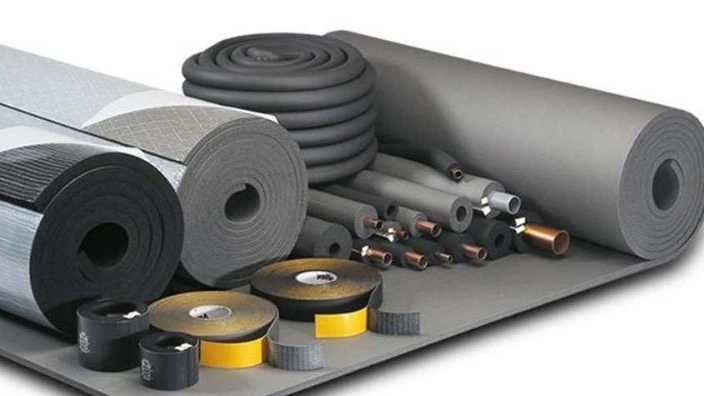
All three models of the mentioned insulators have flexibility and are closed cell expansion insulators. This type of insulation is usually installed without any vapor retarder. When moisture retarders are used when the facilities are located in an environment with very low temperature and high humidity. When using these insulators in outdoor spaces, it is better to use protective covers to prevent ultraviolet radiation.
6. Glass cellular insulation
These insulators use a type of glass that creates a very strong shape and structure as a result of processing. The operating temperature of these insulators is usually between 232 and 426 degrees Celsius. These insulators have unique characteristics such as impermeable, chemical resistance and non-flammability.
7. Mel and Mastic Insulation
This type of insulation is the most economical. It is used for thermal insulation of engine room pipes and engine room heating equipment. In this type of insulation, it is used with a thickness of 2.5 cm.