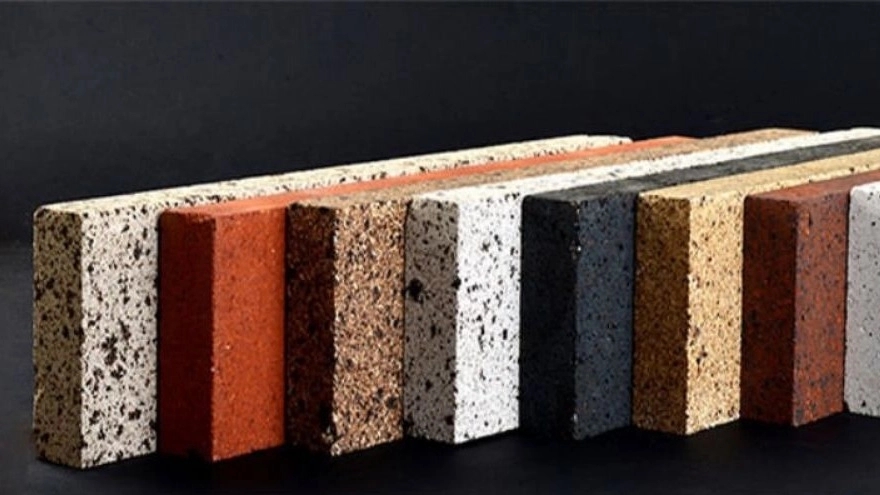




What is a refractory brick?
Firebrick is a brick that has high resistance to heat, cold and weather changes, and because of its complete baking, it also has high strength. In scientific definitions, any brick that has a heat resistance of 950 degrees Celsius or higher is called refractory brick; This thermal resistance is usually 1350 degrees Celsius and its maximum is 3500 degrees Celsius.
One of the characteristics of this type of materials is that according to the concentration of alumina (it varies from 36 to 99%, but silica can be used instead) they are produced in different qualities, and based on this concentration, bricks can withstand high temperatures. .
Refractory brick is more resistant to high temperatures and fire than other types of bricks. These types of bricks are used in the steel industry as liners for iron and steel furnaces, in the greenhouse industry as coated sheets, and in the petrochemical and chemical industries as building beams and cooling pipes.
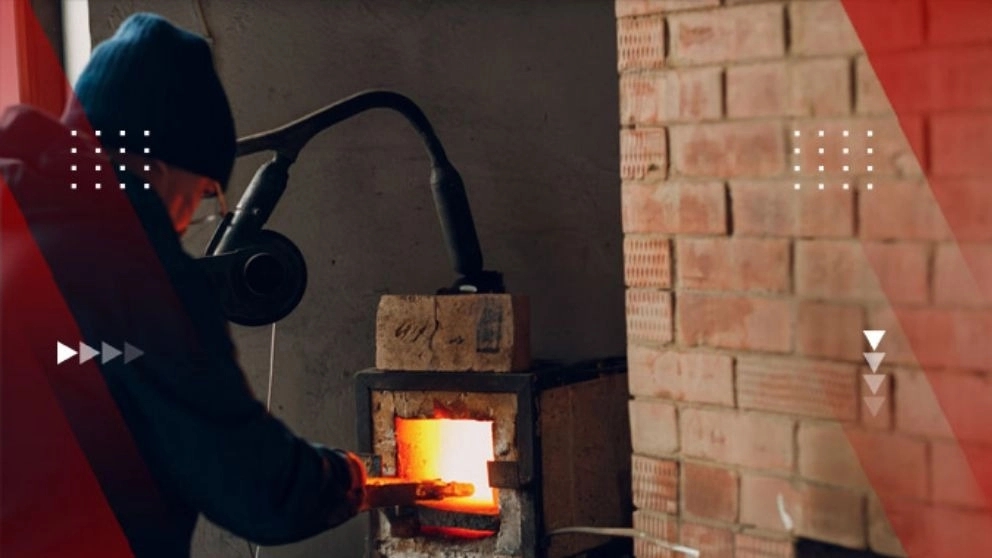
These types of bricks are made with special compounds and special processes to have high thermal and resistance characteristics. For example, refractory brick with aluminum oxide, due to its thermal insulation properties, can withstand high temperatures and prevent steel furnaces from breaking and being damaged.
Due to their high resistance to corrosion, these types of bricks are used as a protection against sedimentation and glass breakage. The appearance of these bricks is muddy and smooth, and this characteristic causes adhesion with mortar and resistance to high temperature and wear (the mixture of firebrick materials makes its internal bond strong).
Specifications of refractory bricks
Properties of refractory brick
High resistance to heat: Firebricks have a very high resistance to high heat. This feature makes them suitable for use in industries such as steel, cement, glass, ceramics, etc. High resistance to corrosion: Firebricks are very resistant to corrosion and chemicalization. For this reason, they are also used in industrial and chemical equipment. Light weight: Some firebricks such as fiber bricks, due to their light weight, reduce the overall weight of the building and also enable workers to work with them easily. Long life: Fire bricks are very durable and are usually used for many years. Flexibility: Some refractory bricks, such as fiber bricks, are flexible, which makes industrial equipment resistant to temperature changes and vibrations. Thermal insulation: Many refractory bricks are used in heating and cooling systems due to their high thermal insulation capabilities. Mechanical stability: Refractory bricks have high mechanical stability and for this reason they are used in industries.
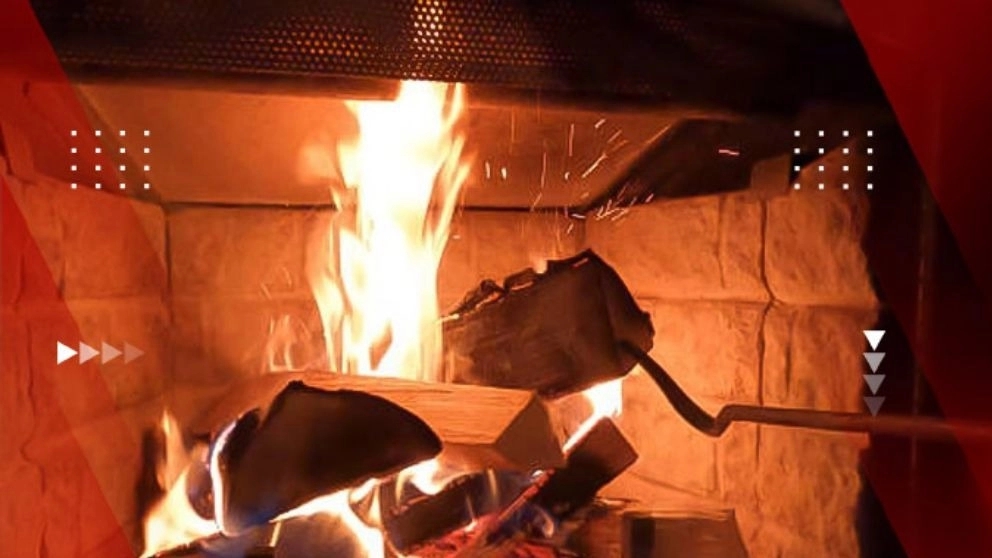
Practical Classification of Refractory Brick
Refractory brick is used in various industries such as steel, glass, cement, cast iron, etc. due to its high thermal resistance and wear resistance. Depending on the type and application of firebrick, it can be divided into several categories:
Silicatic refractory brick
This type of brick is produced using clay, sand and silica and is used in thermal and chemical industries.
Advantages:
High resistance to heat, corrosion and wear
Ability to withstand less pressure and fracture
Long life
Fiber refractory brick
This type of brick is produced with glass, polypropylene and carbon fibers and is used in more industries such as space, aviation and automobile manufacturing.
Advantages:
High resistance to heat, corrosion, abrasion, impact and vibration
Light weight and flexibility
Create excellent thermal insulation
Carbonate silicate brick
This type of brick is produced using clay and sodium carbonate and is used in chemical, steel and cement industries.
Advantages:
Resistance to heat, corrosion and wear
long life
Cheaper than fiber brick
Silicate fiber
This type of brick is produced with glass fibers and clay and is used in thermal, chemical and space industries.
Advantages:
High resistance to heat, corrosion, abrasion, impact and vibration
Flexibility and stability against mechanical stress
Light weight and excellent thermal insulation