


Building facade design
The design style of the building and its facade are the features that make the building more beautiful. This beauty can be defined in classic or modernity. In fact, societies are trying to instill their culture, customs and beliefs in the appearance of their buildings by choosing the design style for the building. In this way, if they accept the styles, they transfer their culture to other climates. According to the said issues; The form, technique, geography and materials available in each region are influential factors in the design style.
The design style of the building consists of three main indicators:
1- Appearance element
2- Construction method
3- Construction material
The building design style today includes two main parts:
1- The overall design of the building, which includes exterior views, plans, building maps, construction methods, building materials, and its external design. br>
2- An interior design that includes the interior of the floors, the materials that make it up, and the arrangement of these elements next to each other.

A variety of building design in modern style
Before examining the types of building design styles, we will examine the types of modern styles. Modern style and modern buildings became popular in the 20th century. In this style, according to the skyline, urban planning and building construction were transformed. In the following, we will examine the types of building design in modern style.
Art Deco Design (Art Deco)
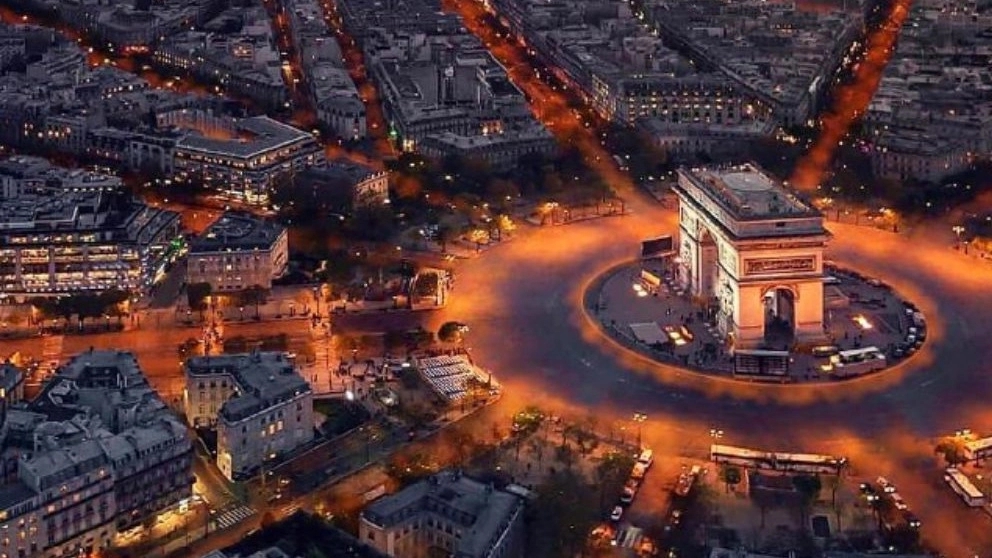
France was the birthplace of Art Deco in the 20th century. This style was inspired by the international exhibition of modern decorative accessories. This exhibition was held in Paris in 1925. After that, Art Deco became famous in America and China, and eventually this style became global. Buildings in Art Deco architecture have a simple appearance and are accompanied by symmetrical lines. Chrome, mirror and brass materials are used in this style.

Bauhaus Design (Bauhaus)
Designers in this style removed all decorative elements and designed simple buildings with a flat view and flat roofs.
The first Bauhaus school was established in 1919 and the first building in this style in Made in Germany in 1926. During the Second World War, the designers of this style went to America, Britain and all over Europe and implemented their ideas in the world. This action also led to the formation of the modernism movement in the 20th century.

Modern Scandinavian style (Modern Scandinavian)
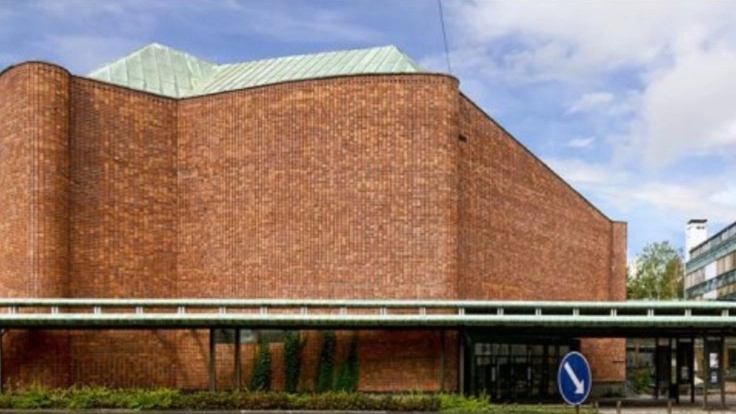
Scandinavian architects were also influential in the modernism movement. These architects designed calm and simple buildings that are suitable for the cold climate of the northern part of the globe. Finnish architect Alvar Aalto; He used flexible lines in his designs to balance the angles and sharp lines in the modern style. To warm the design in the Scandinavian style; Wood is used alongside glass and steel.
Minimal style
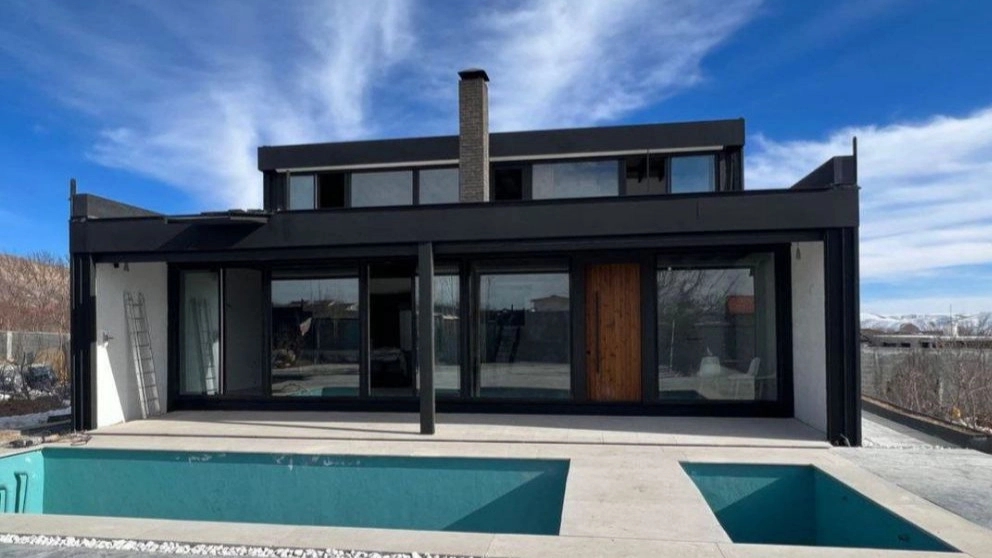
Pioneer designers such as Frank Lloyd Wright, with the philosophy of the modernism movement, tried to remove decorations and details in the design. This movement led to the creation of minimalism. smooth lines and roofs, design of open spaces without clutter and large windows to take advantage of natural light; It is one of the features of minimalism.
Since open space design is a priority in this style, the minimum amount of walls, columns and corridors are used throughout the house. White color and simple texture in the facade are among the most obvious features in modern style, of course, you can also use the combination of white and black colors. The design of the building in the minimal style is such that it looks like a box. Green space in the privacy of the building is very important.
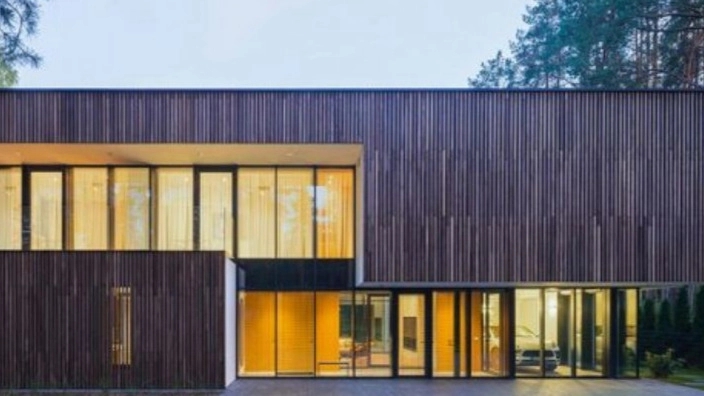
Minimal building design fans are increasing day by day, and the slogan Less is more has become popular among minimalist architects, which means that beauty is in simplicity. Some critics believe that the minimal style is too cold and soulless.