
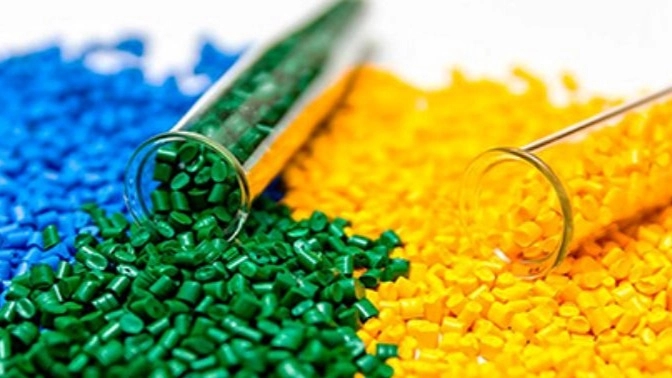


Introducing Types of Masterbatch
One of the best ways to create special physical and chemical properties in the final product is to use additive masterbatch. Aria Pishgam Company has extensive activity in the field of custom production of these engineering masterbatches.
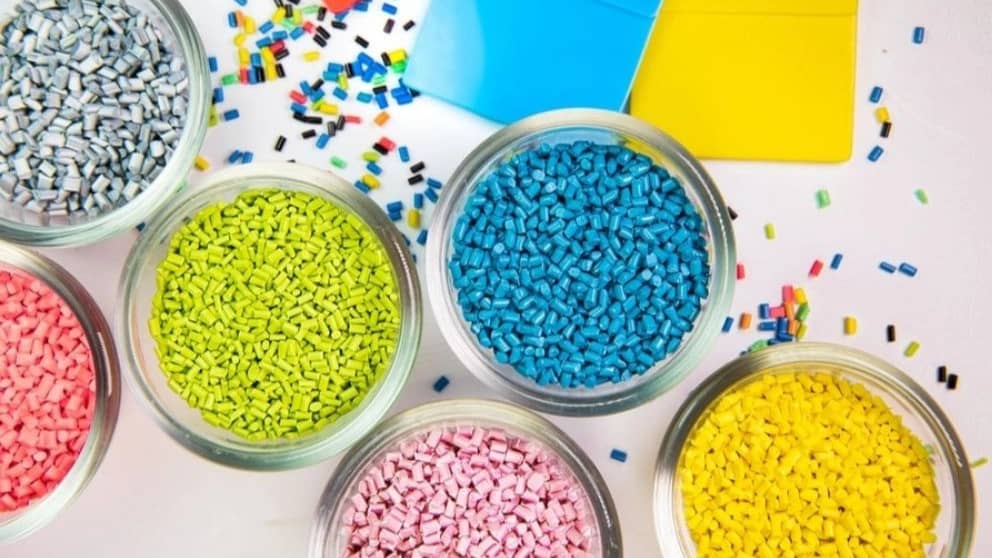
Nano additives: PE, PP and UPVC nano-based masterbatches are used to improve mechanical properties and impact resistance.
Additive masterbatches: In Figure 3, types of additive masterbatches can be seen and they are:
p>PP or nucleating masterbatches: these masterbatches increase the transparency of polypropylene through molecular organization during the process.
PP and PE slip masterbatches: after the production of plastic films, the film layers are difficult to separate and They cause many problems in packaging processes. Also, in the production of some medical equipment and supplies such as syringes, the friction between two parts slows down its movement. To eliminate such problems, masterbatches are used. This masterbatch causes better sliding and reduces the adhesion of the product surface (especially film and sheet) to metal parts. Polyethylene lysing masterbatch is used in nylon, nylon and multi-layer films, and polypropylene lysing (PPLys masterbatch) is for cellophane.
Antiblock masterbatch: This masterbatch is used in the production of polymer films. This masterbatch is an additive to reduce the adhesion of film surfaces to each other after production until the time of use.
Optical lightening masterbatch or PE brightener: This masterbatch has the names of polymer bleaching materials, clarifying masterbatch and fluorescent whitening agents. This masterbatch is used to polish and remove the turbidity of products, and due to the passage of more light in the product, it gives more polish to plastic artifacts. This material is used in ordinary, thin and thick films, disposable containers and all kinds of plastic products.
Anti-shrink and distortion masterbatch: in order to correct the crystallization process and control the cooling of injected plastic parts by influencing the crystallization process. Molten polymer is used to maintain dimensional stability and the final shape of the piece.
UV Light Stabilizing Masterbatch: The use of these masterbatches prevents the destructive effects and discoloration of polymer products exposed to ultraviolet radiation.
Masterbatch Antioxidant: Polymers are affected by oxidation and degradation for various reasons. These masterbatches are used to stabilize the polymer against oxidizing agents in the production process.
Polymer process aid masterbatches: In order to increase the extrusion ability, polymer process aid masterbatches are widely used in plastic industries. Masterbatch eliminates the help of the melt breakdown process, reduces the build-up of sludge, improves the film surface by eliminating the fish scale phenomenon and increases the production output by reducing the gel percentage. Desiccant and moisture absorbent in plastic, polymer and nylon materials that have recycled materials or fillers in the formulation, improves product quality and efficiency, increases productivity and reduces energy consumption and glossiness of the final product, and also prevents problems related to moisture such as porosity and creating It will bubble.