

Rebar applications in construction
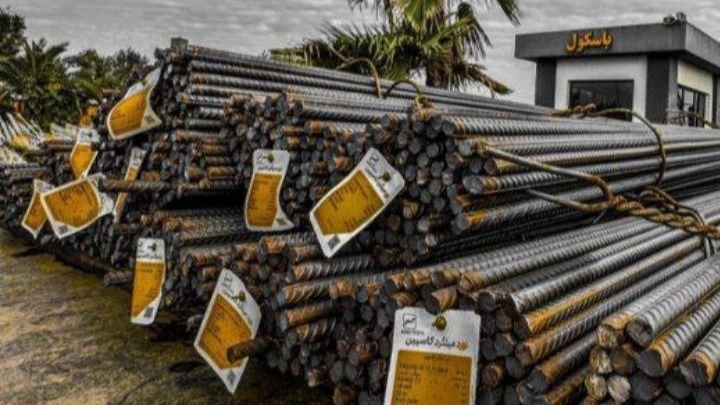
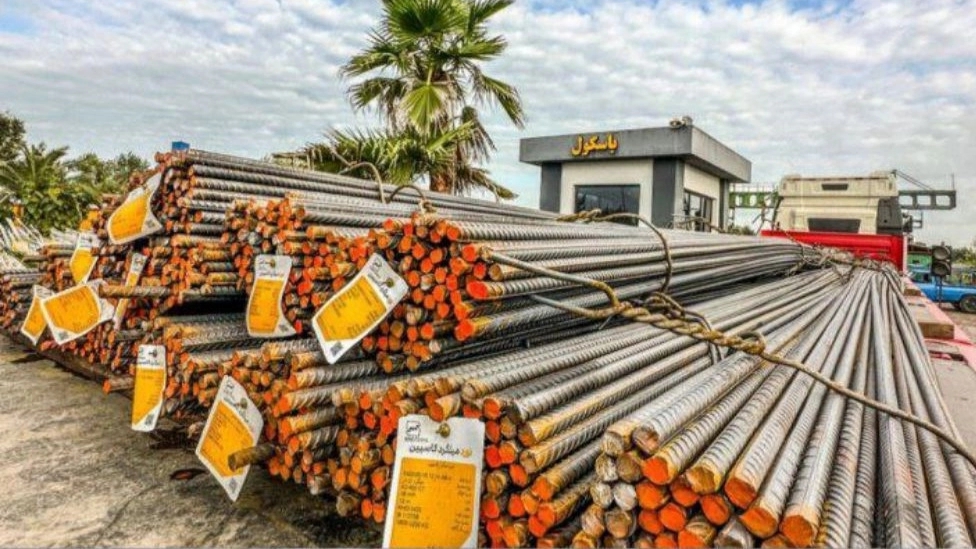
Reinforced steel rebars, commonly known as rebars, have been used in the construction industry for years. This essential material has served as a solid foundation for most concrete structures. The use of rebar improves the structural integrity of concrete buildings and increases their lifespan. In this article, we will examine the applications of rebar in construction.
First of all, rebar is used in the construction of buildings and infrastructures. It provides the necessary tensile strength to bear the desired loads of the building. Tensile strength is the amount of force a material can withstand under tension before breaking. The use of rebar allows the construction of taller buildings with a larger floor area, while ensuring the stability of the entire structure. This is especially necessary in large-scale construction projects where building strength is critical.
Secondly, rebar is used in the construction of bridges and highways. These structures must be strong enough to bear the weight of vehicles and withstand natural disasters such as earthquakes, floods and wind. Rebar is used to strengthen the concrete used in the construction of these structures and provides them with the necessary level of resistance to perform the intended function. It is usually used in the form of steel mesh for horizontal reinforcement and vertical bars for column reinforcement. Thirdly, rebar is used in the construction of tunnels and dams. These structures need a lot of strength to withstand environmental pressures and water weight. The use of rebar in such structures is very important for their success. The rebar is arranged in such a way that it distributes structural loads evenly throughout the structure and increases its strength and durability.
Fourth, rebar is used in the construction of residential and commercial properties. It is primarily used to strengthen the foundation of the building and ensure its stability and safety. The rebar is placed in position before the concrete is poured, creating a solid foundation for the building. It is also used in the construction of walls and columns and increases their structural integrity.
As a result, the applications of rebar in construction are many and necessary. It is a vital building material that has been used for many years to reinforce concrete structures, making them stronger and more durable. Its versatility makes it suitable for use in various industries including infrastructure, residential and commercial construction, dams and tunnels. The use of rebar enables modern construction and ensures that buildings and infrastructure can withstand the rigors of everyday use and natural disasters. Its importance in the construction industry cannot be overemphasized.
Important applications
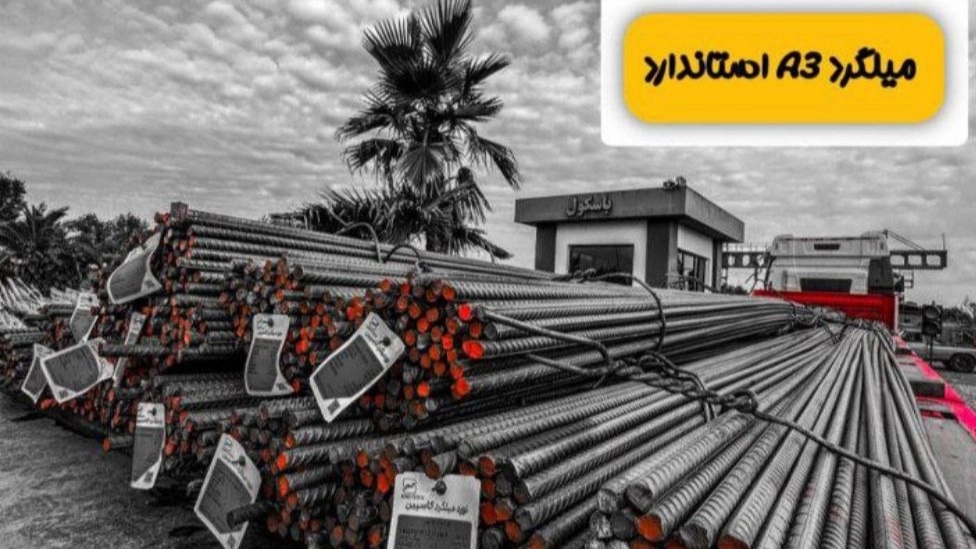
Rebar, also known as reinforcing steel or reinforcing steel, is a vital material in the construction industry. It is designed to provide more strength and durability for concrete structures. Rebar is made of carbon steel and is used for various applications in construction. In this article, we will discuss five major uses of rebar in construction.
The first use of rebar in construction is in creating foundations. Foundations are the basis of any structure and are responsible for bearing the weight of the building. Rebar is used in the construction of foundations to increase strength and maintain the integrity of the structure. The size and thickness of the rebar used for this application depends on the load capacity of the building. Another important use of rebar in construction is in creating walls. When building walls, horizontal rebar is used to make the structure stronger. This helps the walls resist the horizontal forces present in high wind areas. Vertical rebar is also used to help maintain the level of the walls and increase their stability.
The third use of rebar is in bridge construction. Bridges are subjected to heavy loads and must be able to withstand harsh weather conditions. Rebar is used in the construction of bridges to increase the strength and durability of the structure. This application requires a high-strength rebar with higher corrosion resistance.
The fourth application of rebar in building construction is in the creation of columns. Columns are vertical structures designed to support the weight of the building. Rebar is used in columns to strengthen concrete and prevent it from falling. The thickness and size of the rebar used for this application depends on the size and weight of the building capacity. Finally, the rebar is used in the construction of retaining walls. Retaining walls are designed to retain soil while providing additional support for buildings or structures. Rebar is used in this application to create more strength and maintain stability. The thickness and size of rebar used for retaining walls depends on the size and strength required of the walls.
The use of rebar in construction
The use of rebar in construction has become one of the essential components of building resistant structures. Rebar is an abbreviation of reinforced steel bar, which is also called reinforcing steel or reinforcing steel. It is a cost-effective material that can be used to increase the strength of concrete structures. The purpose of this article is to examine the importance of rebar, its advantages, disadvantages and the correct use of rebar in construction.
Rebar is a vital component in the construction industry because it increases the strength and durability of concrete. It is very useful in creating tensile strength and holding concrete together. Rebar helps prevent concrete from cracking under stress, making it an ideal choice for tall buildings, bridges and other infrastructure projects. Without rebar, structures may not be able to withstand natural disasters such as earthquakes, floods, and strong winds.
Using rebar has countless advantages, including high strength, low cost, and versatility. The rebar is made of mild steel that can withstand extreme pressure and is ideal for use in tall buildings, flyovers and infrastructure projects. It is relatively inexpensive, making it accessible for use in construction projects of various sizes. In addition, rebar can be made into different sizes and shapes to suit different construction needs, making it versatile.
Rebar, despite its countless advantages, also has disadvantages. First, the rebar should be coated or galvanized to prevent rust. Second, bars can disrupt the flow of concrete, which can lead to air voids or weak spots. Finally, rebar can be dangerous when not used properly and workers can be injured by sharp edges or protruding bars.
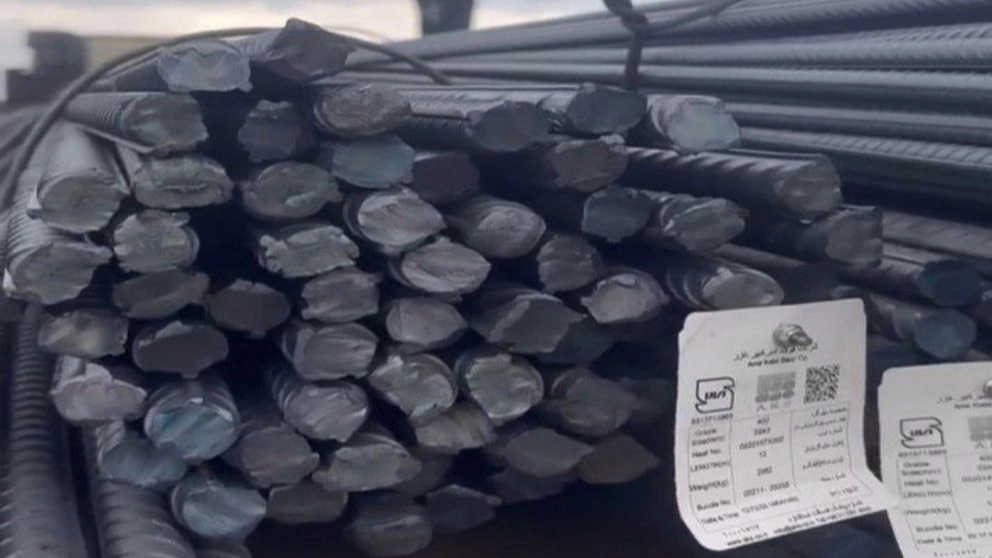
The proper use of rebar in construction requires workers to use protective equipment such as gloves, helmets, and goggles. Workers must be trained in how to handle rebar safely, cut it to size, and install it correctly. Workers must ensure that rebar is properly installed to avoid weaknesses that could lead to structural failure. Correct installation of rebar is very important to ensure the structural integrity of the building.
Consequently, the use of rebar is essential for the construction of strong and durable buildings and infrastructure projects. It provides tensile strength and helps prevent collapse when structures are under stress. Despite its disadvantages, rebar has countless advantages that justify its use for construction. It is essential that the correct use of rebar is followed to ensure that structures can withstand natural disasters, be safe and cost-effective.
Today, rebar is an essential material in construction. It has been used for decades and is still a key component in the construction of buildings, bridges and other infrastructure. Reinforced concrete is a solid and durable material that can withstand high levels of tensile and compressive stresses. Reinforcing bars or rebars add tensile strength to concrete and make it resistant to cracking and bending. In this article, I will provide an in-depth discussion on the use of rebar in construction.
The main use of rebar in construction is to increase the tensile strength of concrete. Concrete is a strong and durable material under pressure, but it has low tensile strength. The rebar provides more strength and reinforcement for the concrete structure. The rebar is placed in a specific pattern and position inside the concrete for maximum reinforcement. It is also necessary to ensure that the rebar is not placed too close to the surface, as this can lead to corrosion and damage to the structure over time.
Rebar is available in different sizes and shapes. The most common shapes are rounded and deformed bars. Round bars are smooth and cylindrical, while deformed bars have grooves and irregular shapes on their surface. Deformed bars create a better bond with the concrete, which improves the durability and overall strength of the structure. The size of the rebar used depends on the size and purpose of the structure. The diameter of the bar can vary from 6 mm to 40 mm, with different grades of steel providing different degrees of strength. Another important aspect of using rebar in construction is reliability. It is from the correct installation of rebars. The rebar must be precisely bent and cut to fit the required design. Rebar spacing and alignment must be accurate to provide optimal reinforcement. The use of rebar in construction is subject to certain rules and regulations to ensure the safety and integrity of the building structure. A structural engineer and qualified contractors must supervise the use and installation of rebar.
As a result, the use of rebar in construction is vital. It provides more strength and reinforcement for concrete structures such as buildings, bridges and infrastructures. Rebar is available in various sizes and shapes, and correct placement and installation is essential to ensure structural integrity and building safety. The use of rebar is subject to strict regulations and must be supervised by qualified professionals. Ultimately, while the use of rebar can add some additional cost to the construction process, it is a worthwhile investment in the safety and longevity of the structure.