

- Decreasing the consumption of non-renewable resources (such as fossil fuels)
- Optimizing the use of renewable resources
- Recycling or reuse of construction materials
- Increasing the quality and useful life of construction
- Coordination of the structure with Climatic and cultural conditions of the region
- Assessment of residents' needs
- Coordination and compatibility with the environment and reduction of negative effects on it
- Use of natural energies
- Reduction of construction waste and environmental pollutants
What is sustainable architecture?
Sustainable architecture is one of the important topics in the field of construction, which has received the attention of architects and designers today. Establishing sustainability in architecture is essential in view of the problems that exist in today's industrial and modern era, and special attention should be paid to it. Green architecture is one of the new methods in architecture that has attracted the attention of many people.
Nature and environment are God's gift that all living beings depend on for survival. Environmental pollution is one of the problems of the present industrial age in which humans play a significant role. Pollution has a significant impact on the natural cycle and quality of life of creatures and brings irreparable consequences on their lives; Therefore, in order to continue the life of all creatures, we must take measures to preserve the environment and natural resources; One of these measures is the implementation of green architecture. This educational article is written for the dear readers of Zoril Smart House website.
Sustainable architecture an important evolution in the field of architecture
Sustainable architecture is one of the important developments in the field of architecture, which aims to design buildings based on optimization of energy consumption and sustainability principles.
Sustainable architecture is also called green architecture. which is based on ecological design and compatible with nature. The constructions that are implemented based on this type of architecture cause less damage to the environment and energy resources and are less incompatible with the environment. Sustainability in architecture does not mean that the building has high resistance or to have a long life, but it means to pay special attention to the environment in construction and act accordingly.
Definition of Sustainable Architecture:
Sustainable architecture actually means that buildings are designed according to the principles of ecology and sustainability, reducing environmental pollution and energy consumption, which is a suitable response to the problems and crises of today's industrial and modern era. .
In recent years, a lot of energy has been used for construction and production of building materials, which has led to a lot of environmental pollution. The release of chemical pollution caused by the production of construction materials, the release of dust in the air due to construction operations, the pollution caused by the transportation of construction materials; Among the negative effects that are brought to the environment due to construction.
Using resources that can be replaced faster is very important. For example, using trees that can grow faster and be replaced; It is one of the things that should be considered in the design. Therefore, it is necessary to use basic strategies in the field of architecture and construction to cause the least damage to the environment and natural resources.
Principles of Sustainable Architecture or Green Architecture:
🔰 Harmony with the environment and climate
Buildings should be designed in such a way that they are compatible with the climatic conditions and the surrounding environment, in such a way as to meet the modern needs of mankind. and future generations can also use existing energy sources. 🔰Optimization in energy consumption
The design of structures should be such that they do not require fossil fuel. and other energies should be minimized, in this way the resources available in nature will be used less and it will bring less environmental pollution; It is also possible to use recyclable materials. Optimum use of materials and construction materials In the design, materials with sufficient durability and resistance should be used. have and be prepared with less chemicals and energy.
🔰 Responding to the needs of the residents
Architecture should be in such a way that the presence of people in the building is respected and provides the mental and physical needs of the residents of the building. Paying attention to nature and its presence in the living environment improves the psychological level of man and has a significant effect on his morale. It should gently settle in the ground of its area and be in harmony with its surroundings. Australian architect Glenn Murcutt has stated that the building should touch the ground gently and lightly.
This sentence refers to the integration between the building and the site, which is essential for the green process. Structures that consume energy indiscriminately create pollution and are alien to their users and consumers, as a result, they never feel the earth in a calm and light way.
🔰 Holism
All the principles of green or sustainable architecture should be drawn and visualized in a complete process that leads to the construction of a healthy environment.< br>
Sustainability is related to social, economic and environmental fields such as climate, weather, regional culture, provision of human spiritual and physical needs; Therefore, sustainable communication is of particular importance, which should be taken into consideration in the design of the structure, along with factors such as beauty, light, and texture. Non-original instruments. Indiscriminate constructions cause the destruction of the environment and the increase of environmental pollution, and as a result, it severely affects the health of the body and soul of people. Therefore, architects should use the principles of green architecture in their designs to prevent the destruction of the environment. Now, in order to know what goals sustainable architecture pursues and why architects should use this architectural approach in the design of structures, we will go to examine the goals.
Sustainable architecture goals
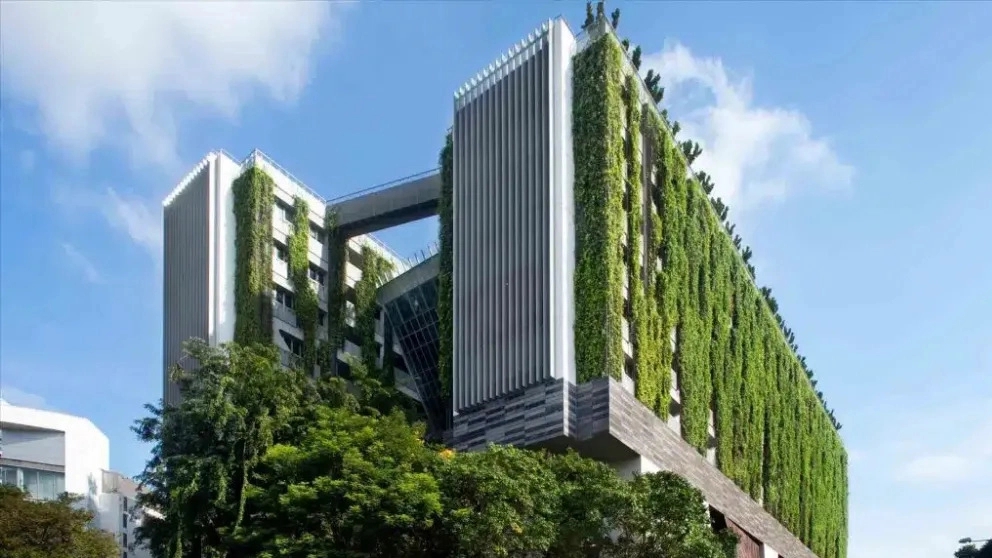
The development and expansion of green space is one of the most effective ways to restore the environment and increase the quality of human life. The implementation of green space projects inside and on the outskirts of cities as well as in buildings can help reduce the heat of the earth, environmental pollution, and reduce the tension of people in the building. Green spaces should be appropriate to the location (roads , streets and buildings) and the needs of society. In the construction industry, paying attention to this category is of particular importance. The use of smart green spaces is one of the unique and attractive measures in this field, which can have a great effect on reducing water consumption and the beauty of the environment. In the following, we introduce examples of green or sustainable architecture in the world, which are very attractive topics for those interested in this field.